

Audio By Carbonatix
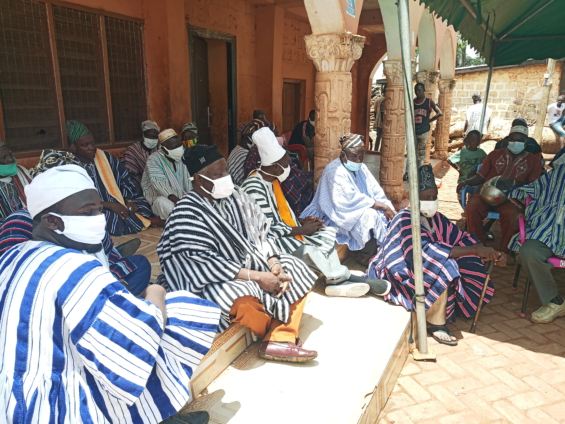
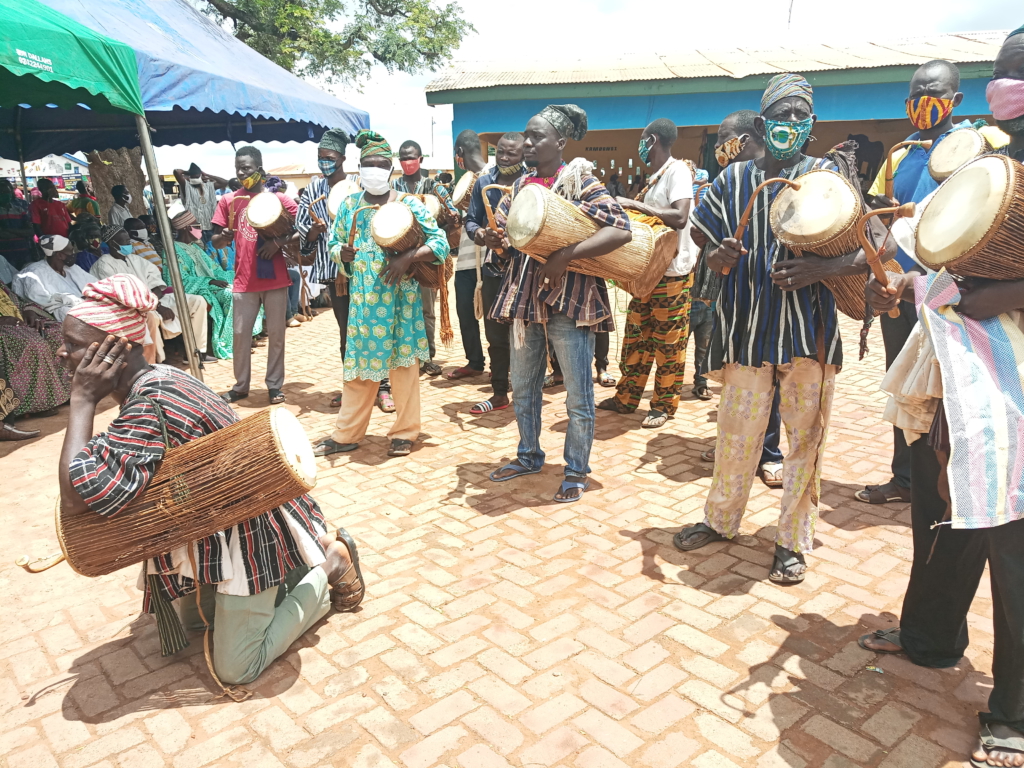
The Chiefs and people of the Mossi tribe have made a historic visit to their ancestral home in Gambaga in the North East Region following what they call attempts by some people to tag them as non Ghanaians.
The delegation paid a courtesy call on the overlord of Mamprugu, the Nayiri Naa Bohagu Mahami Sheriga II, where they made a formal complaint about a new wave of intimidations and discrimination by some southerners which sought to portray the Mossi people in Ghana as foreigners or strangers.
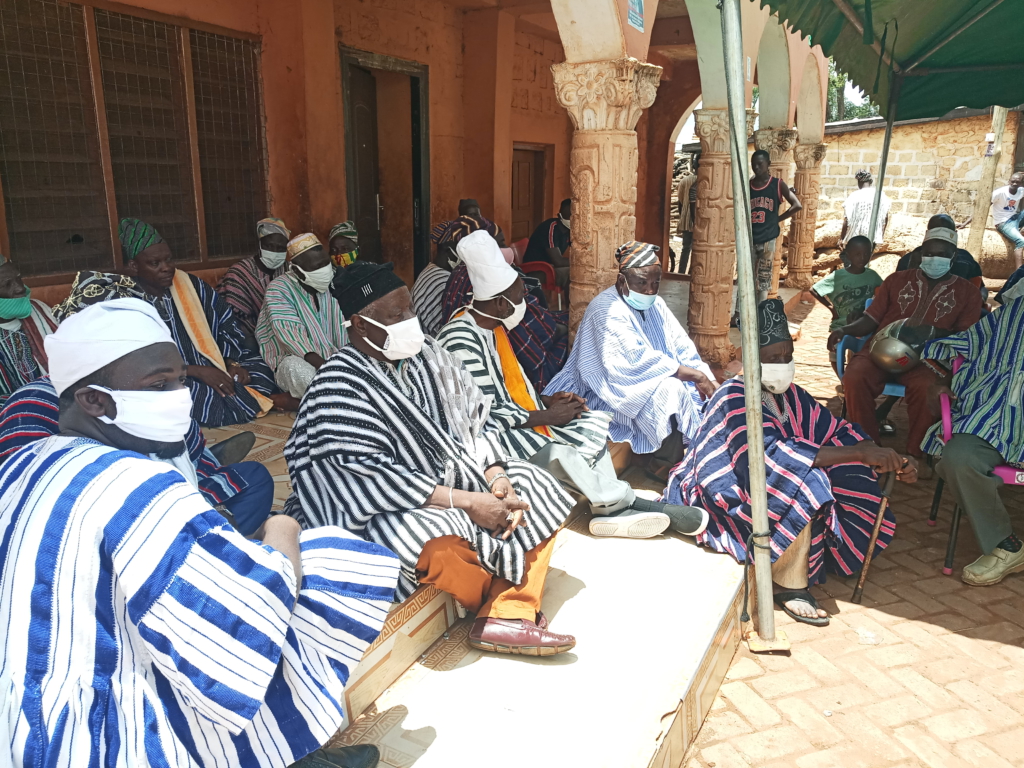
Chief Jeswende-Saam Naaba Kutu I, the Mossi chief of Tamale, who spoke on behalf of the delegation, pleaded with the Mamprugu overlord to forward their complaint to the government.
He explained that government can help nib the situation in the bud and stop any escalation.
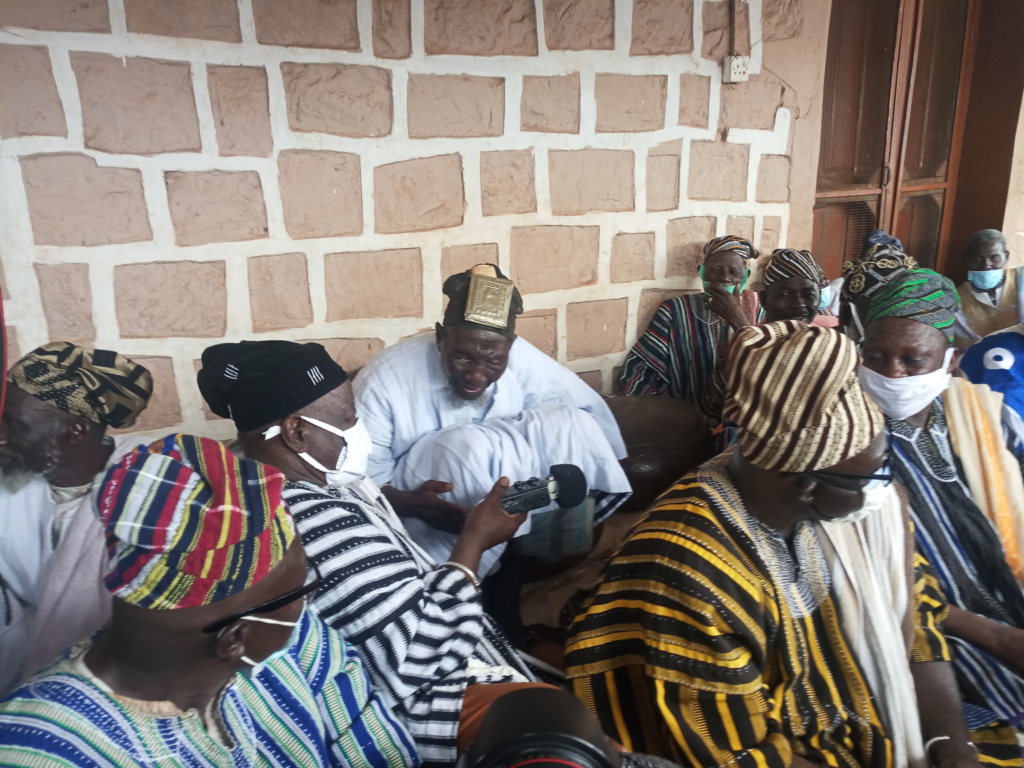
According to him, this discrimination is causing fear and tension among members of the Mossi community.
The delegation also made a request to the Nayiri to allocate land in the Mamprugu Traditional Area for Mossi people in Ghana to build a permanent residence to be named 'Mossi Tinga' (Mossi Hometown).
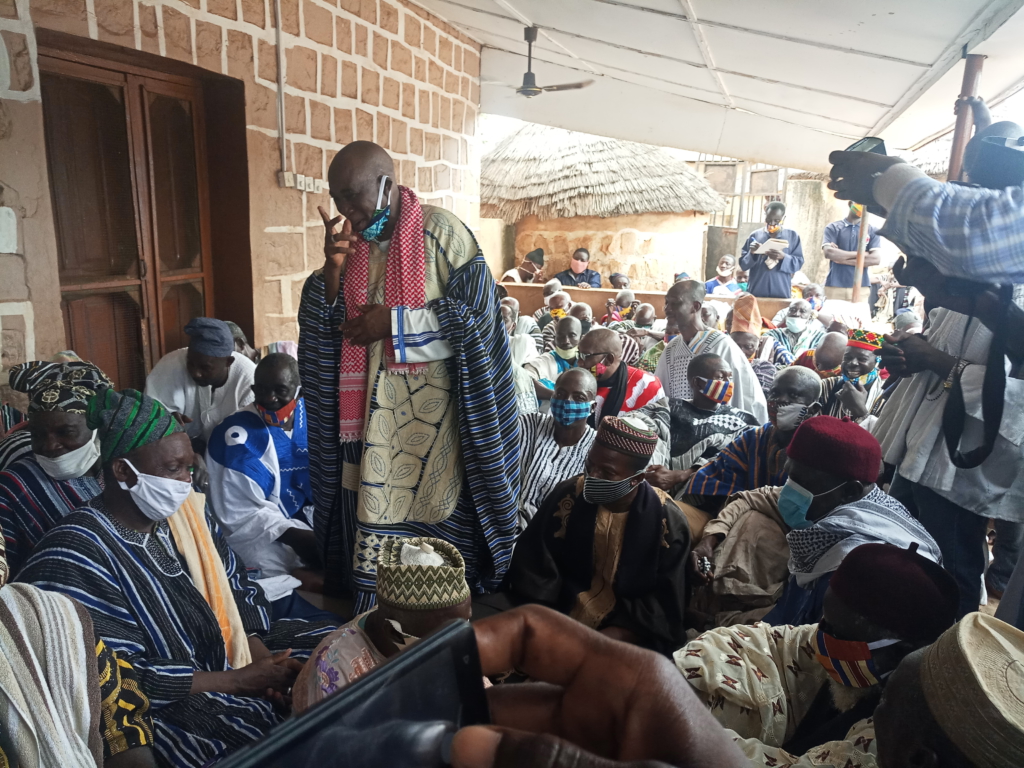
The Mossi entourage then used the opportunity to extend a gracious invitation to the Overlord to attend the annual Buude Yelle festival which is held in Bawku in the Upper East region.
The Origin of the Mossi People, their relationship with Dagomba, Mamprusi and Nanun.
The Mossi people are descendants of a latter Mamprusi King's daughter, Princess Yantaure, who eloped from her father's village at a time when the capital had been moved from Pusiga to Gambaga, the capital of the East Mamprusi Municipal.
After the death of Princess Yantaure/Yanega, her descendants moved from Gambaga and settled at Tinkurugu (Tenkodogo) in modern-day Burkina Faso.
They founded the four autonomous Mossi Kingdoms. Each independent from the other and established at different times, namely; Tenkodogo, Yatenga, Ouagadougou, and Bousouma.
At the turn of the twentieth century, the Mossi, Dagomba, and Mamprusi kingdoms were invaded by British-, French-, and German-led troops.
A first treaty with the Mamprusi king was made by George Ekom Fergusen—and contested by the French.
Later, British troops led by Captain Stewart settled in Gambaga (1897-1902), where he negotiated with French officers in the Mossi kingdom of Tengkudugu to the northeast and with German officers to the east, across what is now the Togo border.
A final settlement in Vienna in 1902 established the present boundaries between Togo and Ghana in the east, and between Ghana and Burkina Faso in the north.
Latest Stories
-
Guinea-Bissau transporters strike over higher fuel prices
39 minutes -
Iran ceasefire deal a partial win for Trump – but at a high cost
50 minutes -
Oil slides below $100 after Trump announces two-week ceasefire
59 minutes -
Madagascar declares state of emergency over energy situation due to Iran war
1 hour -
Ex-Meta worker investigated for downloading 30,000 private Facebook photos
1 hour -
World Bank says Nigerian economy to grow in 2026 but Iran war lifts inflation
2 hours -
South Sudan’s Kiir sacks parliament speaker and deputy
4 hours -
In Ghana Town, a ‘stateless’ future for hundreds born and raised in Gambia
5 hours -
Russia confirms 16 Cameroonian soldiers killed in Ukraine war
5 hours -
USA striker Patrick Agyemang ruled out of World Cup due to injury
5 hours -
Los Angeles Stadium workers urge FIFA to bar ICE from World Cup
5 hours -
Vinicius hails Lamine Yamal for condemning anti-Muslim fan chants
5 hours -
Barcelona’s Flick to defend ’emotional’ teen Lamine Yamal against criticism
5 hours -
FIFA opens disciplinary probe against Spanish FA after Islamaphobic chants
6 hours -
‘We’ve become quite experienced in negativity’ – Liverpool’s Slot
6 hours