

Audio By Carbonatix
Chair of the Technical Advisory Committee of the National Biosafety Authority (NBA), Dr. Yaa Difie Osei has called for enhanced cooperation and collaboration between the NBA and the various regulatory institutions in the biosafety space through intensifying exchanges in knowledge sharing on modern biotechnology.
She explained that the field of modern biotechnology required a concerted effort of all professionals tasked to ensure that the product of modern biosafety and biotechnology are safe for human consumption and the environment.
“With an increase in human population and the improvement in technology, we need to ensure that food security is attained. This requires we innovate and improve using modern biotechnology.”
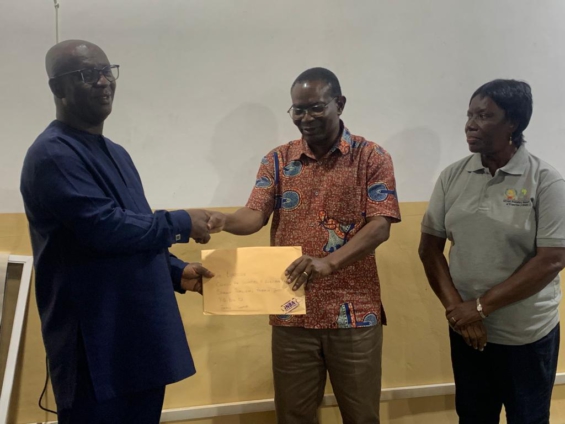
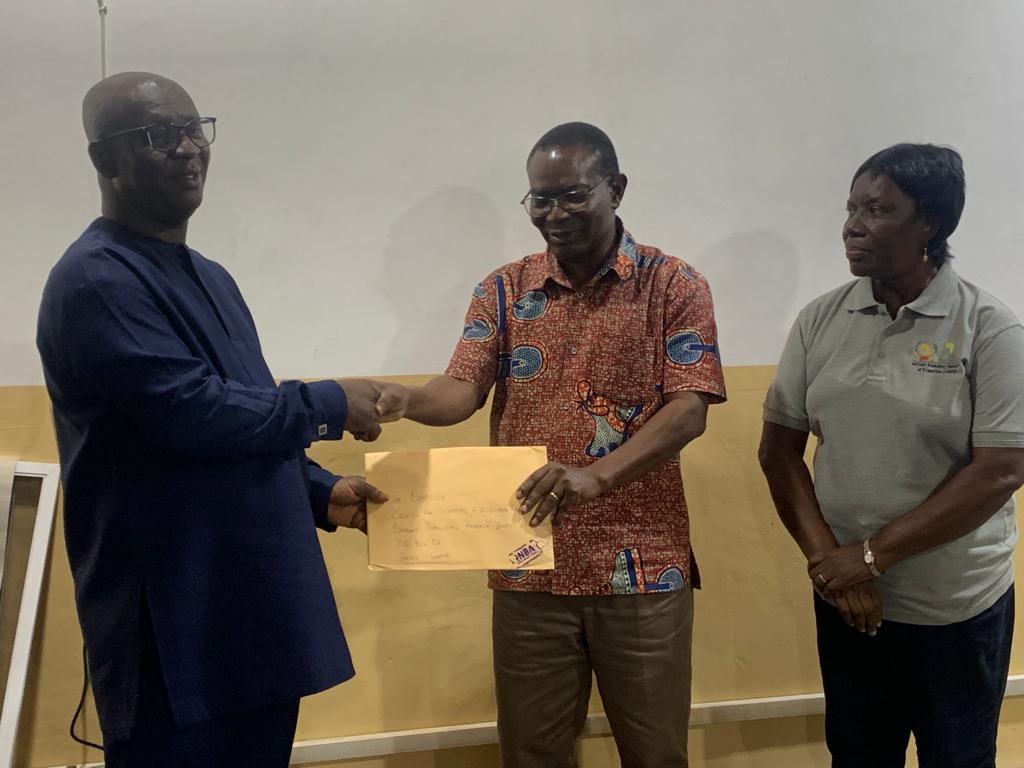
Dr. Yaa Difie Osei made this call when she officially handed over the deregulation permit issued last June to Savanna Agricultural Research Institute (SARI) of the Council for Scientific and Industrial Research (CSIR) at their office in Nyankpala near Tamale in the Northern Region.
It was received by the Chairman of CSIR-SARI’s Institutional Biosafety Committee (IBM), Dr. Emmanuel Chamba, who in turn handed it over to the Director of CSIR-SARI, Dr. Francis Kusi for onward submission to the Director-General of CSIR, Prof. Paul P. Bosu.
This permit means that the cry1Ab gene used in the cowpea is safe for food, feed and the environment.
The permit also means CSIR-SARI can go ahead with the next stages of commercialization which implies commencing multi-locational trials toward varietal registration and release.
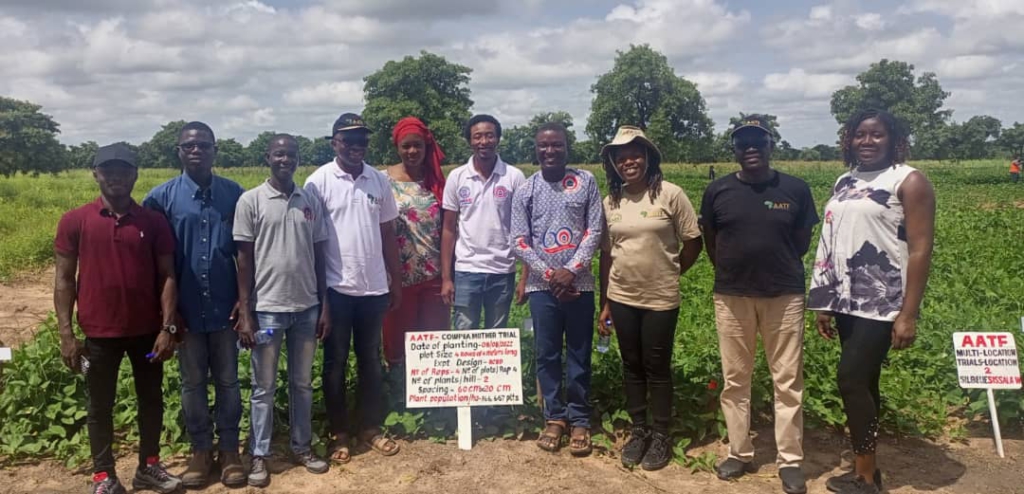
As part of the handing over was also a visit to farmer-managed trial fields by regulators and partners; National Biosafety Authority (NBA), AATF (African Agricultural Technology Foundation), MoFA (Ministry of Food and Agriculture), Alliance for Science Ghana (AFS), Lead Farmers, some selected journalists and CSIR-SARI scientists to assess the progress of work on the Pod Borer Resistant Bt cowpea.
The team visited farmer managed trial fields in Kpasenkpe near Walewale in the North-East Region, Chinchang and Sillbelle near Tumu in the Upper West Region.
During an interaction with farmers, they expressed their profound gratitude to the team for their support in beating the Maruca Pod borer.
”Five years ago, after spending a lot of money on chemicals to spray my cowpea farm, I still lost everything to the Maruca Pod borer, this made me shift from farming cowpea.
“After planting this new variety and seeing how well it fights against Maruca; am encouraged to go back into cowpea farming” Said Inusah cowpea farmer in Silbelle stated.
The cowpea, when released as a variety, becomes the first genetically modified crop to be cultivated in Ghana and Ghana becomes the second country in West Africa to grow it.
Dr. Gloria Adazebra, Plant Breeder at Savanna Agricultural Research Institute (SARI) of the Council for Scientific and Industrial Research (CSIR) said GM technology is one of the tools in the toolbox of a plant breeder.
“It allows the breeder to access a host of beneficial traits to help overcome the barrier imposed by sexuality. So we’re able to access genome in other organisms that are not available to us naturally” he explained.
Geneticist at the College of Agriculture and Natural Resources, Kwame Nkrumah University of Science and Technology, Prof. Charles Antwi Boasiako said GMOs promise to resolve the issues of poverty, malnutrition, hunger, income issues of farmers.
“I will want to edge the various regulatory institutions in the biosafety space to make sure demand does not outweigh supply; as we are seeing in Nigeria” he said.
Dr. Francis Onyekachi, AATF Stewardship Manager, said this is a critical time to strengthen stewardship of the release product and monitor its effects at the farmers’ level.
“Good stewardship and monitoring, and successful release of PBR cowpea will aid development and release of subsequent GM crops.
The purpose of this Small Research Activity (SRA) is to record and analyse early data on the effectiveness and impact of the PBR cowpea for the Ghanaian farmers who will be growing this new variety” he said.
Dr. Jean Baptiste Tignegre, PBR Cowpea Project Manager said that farmers and extension agents have crucial roles to play in Africa’s quest to attain food and nutritional security.
“To our farmers and extension agents, of all the things that will be said here today, please remember that you are the link to the attainment of food and nutrition security which all African countries are working hard to achieve.
If our extension agents get it right, by taking the necessary technologies and information to our farmers, then farmers will be properly guided to produce the necessary food that will ensure we meet our daily needs” he added.
Latest Stories
-
The Problem with Nutrition Advice on Social Media – Lessons from a study among University Students
8 minutes -
Arteta calls for perspective as Arsenal look to avoid slump
16 minutes -
Kasoa Old Market traders given final eviction notice ahead of redevelopment
20 minutes -
GH¢15 sachet water price is a ceiling, not fixed – Producers clarify
24 minutes -
Morocco reports 7% rise in first-quarter tourist arrivals
27 minutes -
Calm returns to Adjen Kotoku Market following onion traders’ clash
27 minutes -
One dead, six in critical condition in Gomoa Fetteh accident
29 minutes -
GNFS responds to multi-vehicle crash at Ayi Mensah, urges caution
33 minutes -
Kaneshie footbridge closure raises safety concerns as pedestrians demand urgent repairs
36 minutes -
Clock ticks on Trump’s Iran ultimatum with little sign of breakthrough
38 minutes -
Be value creators for national development – KGL boss challenges private sector
44 minutes -
Bishop Asuamah urges hope, peace amid global and local conflicts
47 minutes -
Morocco stopped fewer illegal migration attempts in 2025 as route shifts
48 minutes -
Ahmed Ibrahim climaxes Easter with call for national sacrifice, fervent prayers
49 minutes -
NMC commits to reviving Media Advisory Committees
51 minutes