

Audio By Carbonatix
The Embassy of the Kingdom of the Netherlands has reaffirmed its commitment to facilitate the transitioning of Ghana’s economy to be climate-resilient and circular in supporting actions to combat the adverse effects of climate change.
The originators of the SNV GrEEn project are expected to commence a 4-year project in the horticultural and cocoa sector to boost production in the two industries.
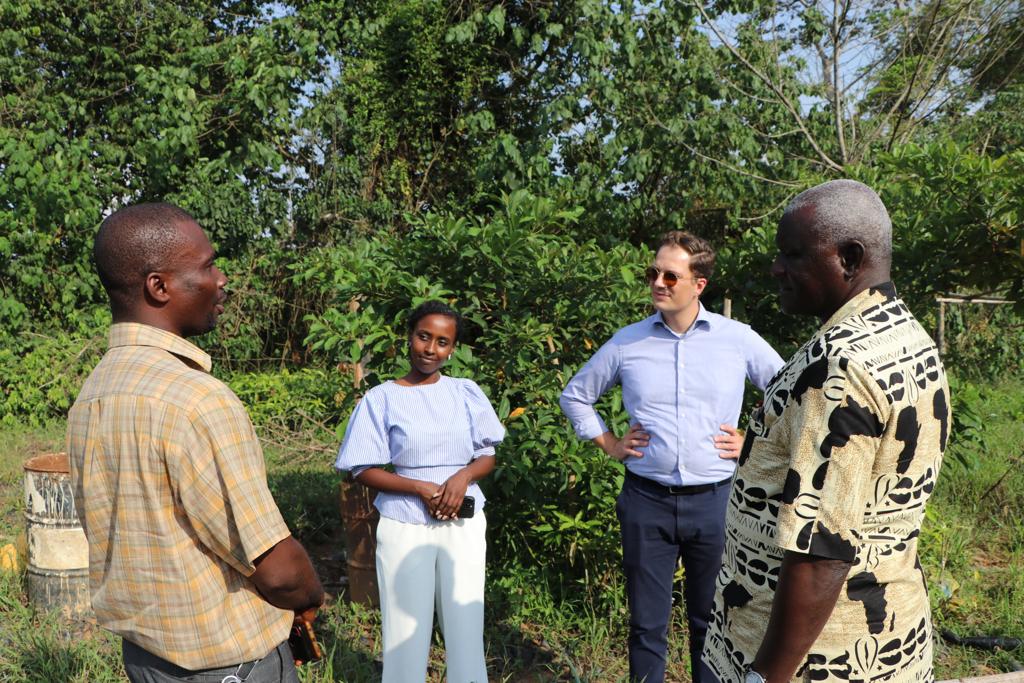
First Secretary of the Embassy of the Kingdom of Netherlands in Ghana, Bram Elmer van Opijnen, says the project seeks to provide financial support, skill development and an enabling environment for businesses in the horticultural and cocoa sector.
The office has since initiated processes to officially commence the project by the end of the first half of 2023.
“We are currently looking into the separate programmes we are going to support. But it will be along the pillars of supporting an enabling environment which is important for companies to thrive in. Skills development is also good for a company to grow and also access to finance is a difficulty. So we will be looking into these three pillars,” he said.
The Boosting Green Employment and Enterprise Opportunities in Ghana (GrEEn) project, started in 2019, is an initiative of the European Union, the Embassy of the Kingdom of the Netherlands, SNV Netherlands Development Organisation and the United Nations Capital Development Fund (UNCDF) in collaboration with the Ministry of Local Government, Decentralisation and Rural Development.
The GrEEn Project aims at supporting green businesses and entrepreneurs to transition into the circular economy or build sustainable business models that make use of waste materials or engage in eco-friendly practices.
It also provides skills development and training to job seekers in two regions in the Ashanti and Western regions.
Support for entrepreneurs and green businesses
In collaboration with some state agencies, including the Ghana Enterprises Agency, the SNV Ghana GrEEn project has established an information desk at the district level.
The desk seeks to bridge the knowledge deficit in building climate resilient and sustainable businesses.
The offices are currently available at seven districts in the Ashanti and Western regions: Adansi South Municipal Assembly, Offinso North (Akumadan) District Assembly Ejura-Sekyedumase Municipal Assembly, Jomoro Municipal Assembly, Nzema East Municipality, Wassa Amenfi East Municipal Assembly and the Ahanta West Municipal Assembly to assist entrepreneurs at the local level transition their traditional businesses to a greener enterprise which is eco-friendly and cost effective.
It is to assist entrepreneurs at the local level transition their traditional businesses to a greener enterprise which is eco-friendly and cost effective.
Business Development and Market Linkages Advisor on the GrEEn Project, Frederick Acquah, says the platform is expected to reduce unsafe migration by farmers in impoverished communities and also help build climate-resilient businesses in such areas.
“These desks were established in the areas to help solve irregular migration in Ghana as it has been reported that people who migrate from poverty-ridden areas do not undergo safe migration. Climate change is also contributing to this irregular migration. Through this project we seek to help the farmers build climate-resilient farms,” he said.
Employability and Entrepreneurial Skills Development
Under the SNV GrEEn project, job opportunities were provided for over 5,000 Ghanaian youth with more than half of the number gaining employment with some state agencies.
The employability and entrepreneurial skills development saw the introduction of the Opportunities for Youth Employment (OYE), seeking to bridge technical skills deficits.
The OYE program employed the ‘push-match-pull’ approach where trainees under the program are equipped with skills, matched to businesses for practical training and facilitated to ensure their growth.
The program focused on providing soft, entrepreneurial, employability and digital skills for both entrepreneurs and job seekers.
OYE focuses on providing soft skills, entrepreneurial, employability, digital skills and on-the-job technical training to both entrepreneurs and job seekers at the local level.
“Anchoring internship and on-the job technical training on private sector actors through umbrella organizations such as Association of Ghana Industries (AGI), have yielded immense results”, says Gifty Afi Cudjoe, Skills Development Advisor on the Project.
Project Manager of the SNV Ghana GrEEn project, Laouali Sadda, indicated the last phase of the 4-year GrEEn project focuses on strengthening businesses and linking them to governmental institutions.
“In the last phase we are looking at harvesting, consolidating, and sharing our experiences and lessons. We have met almost all the quantitative indicators with regard to youth that should be suplesson and businesses that have to create jobs. That’s why in the last phase we are working towards strengthening the green businesses and linking them to government agencies to enhance their capacity,” he said.
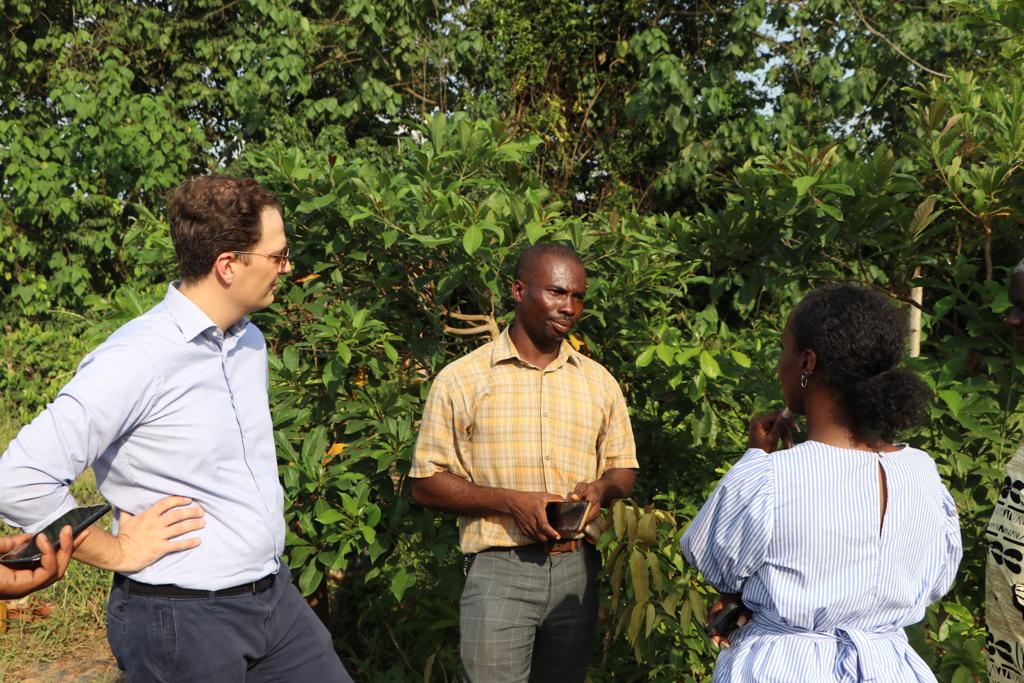
Beneficiaries of GrEEn project
A delegation from the embassy and the SNV Ghana have been visiting three beneficiary businesses in the Ashanti region to assess their growth.
The micro-businesses visited were selected from the food processing and agricultural sectors who underwent a 6-month business incubation program under the GrEEn project.
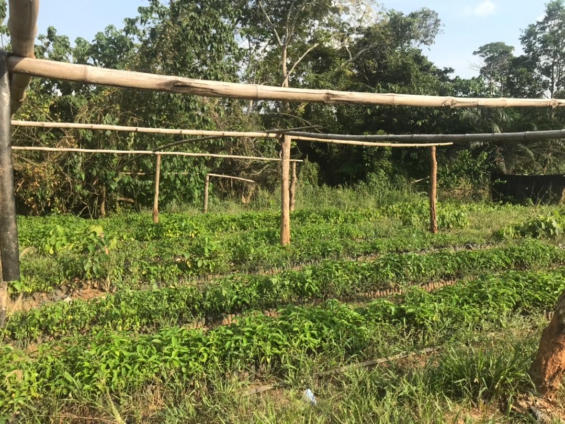
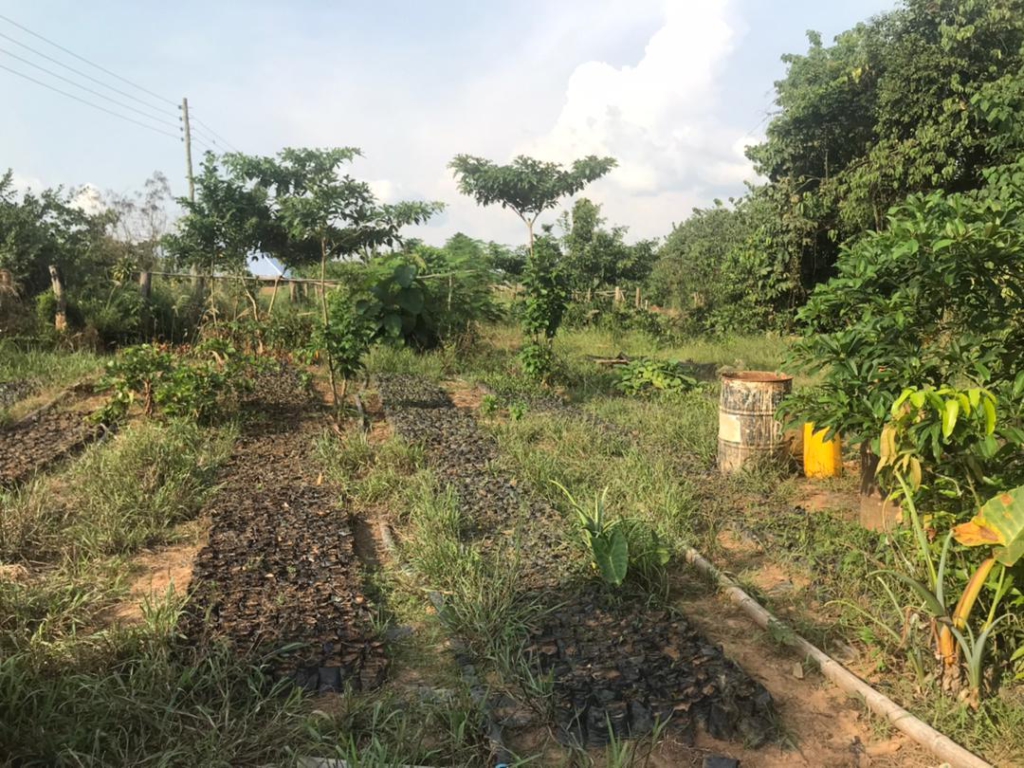
Chief Executive Officer of Harmony Agro, Emmanuel Amponsah, is into the cultivation of seedlings of a variety of food and cash crops, ornamentals and other plants with over 200,000 seedlings capacity for both government and private industries.
In complementing efforts to fight climate change, Emmanuel is hoping to liaise with local governmental authorities to employ horticultural and agricultural techniques for reclamation of illegally mined lands in Mankraso.
“Through the project I have gained financial intelligence on how to manage this business,” he said.
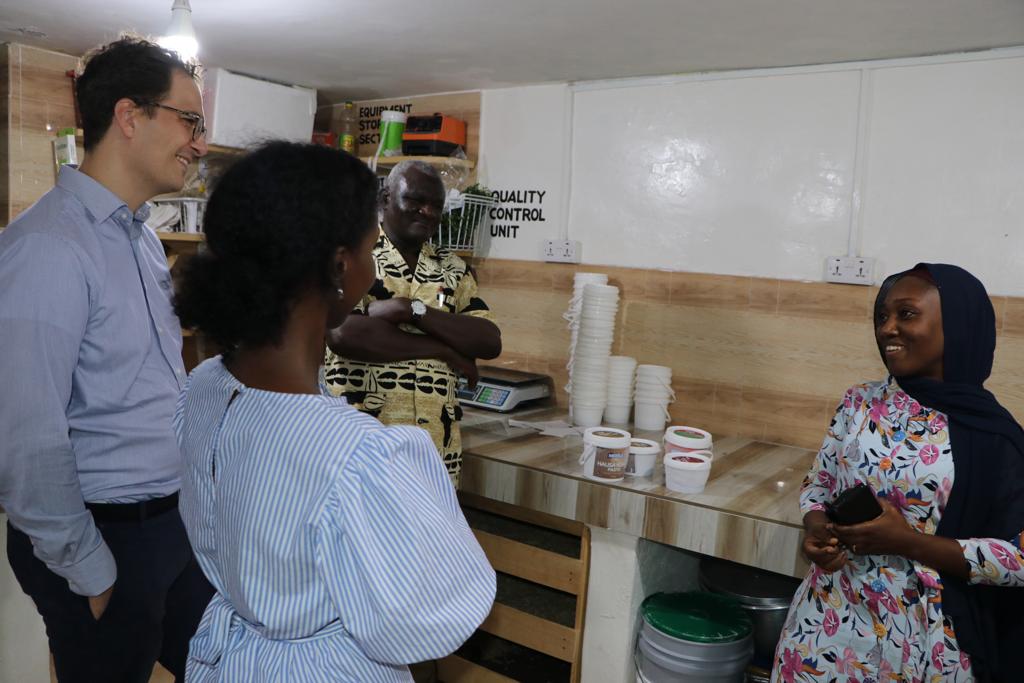
Another beneficiary, Zeinab Acheampong, who is the Executive Director of Hakama Company Limited, was overjoyed with the benefits gained from the project.
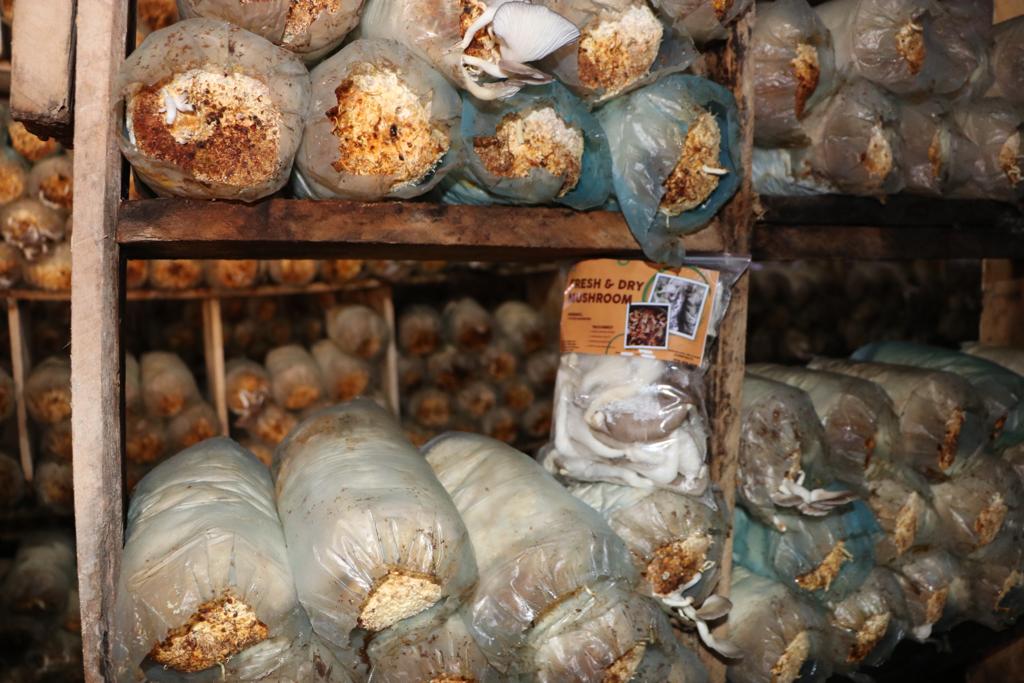
Her enterprise processes agro produce into minimal convenient home cooking foods including palm nut soup base, tomatoes into a paste, millet into hausa koko paste, and ‘agushie’ into a mix.
“I am currently going through a ‘good’ stress because I have to supply more than my capacity. Notwithstanding, it is fetching me a lot of profit and shows people appreciate the products,” she said.
Latest Stories
-
NPP revises internal election guidelines to strengthen transparency and inclusiveness
3 minutes -
NACOC set to issue licences to qualified applicants for cannabis cultivation – Deputy Director-General
11 minutes -
Easter Outreach: Victory Bible Church offers free healthcare, NHIS support to hundreds
14 minutes -
NPP cannot pressure Mahama to sign a bill not yet received—Solomon Owusu
23 minutes -
MPs, institutions deepen support for Ghana Sports Fund with fresh contributions
30 minutes -
Four people die trying to board boat in Channel crossing attempt
38 minutes -
Abirem MP announces GH₵500,000 education fund to support needy students
38 minutes -
African stakeholders call for stronger ‘One Health’ action on climate and health crises
40 minutes -
DVLA to commission 5 new service centres in Greater Accra
45 minutes -
Agenda 111 and the right to health: A broken social contract
48 minutes -
Bawa-Rock Ltd funds GH¢400,000 free surgeries for 102 vulnerable patients
50 minutes -
Lambussie MP awards over GH¢200,000 in scholarships to students
55 minutes -
Vice President expresses gratitude after double enstoolment in Volta Region
56 minutes -
Beyond the Noise: Rebuilding trust in journalism in a digital age
60 minutes -
I have to follow the law – CAF president tells Senegal regarding AFCON saga
1 hour