

Audio By Carbonatix
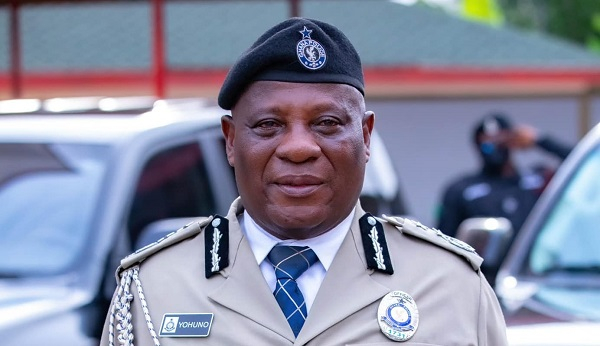
The Inspector General of Police (IGP), COP Christian Tetteh Yohuno, has lifted the communication embargo previously imposed on police spokespersons, urging a renewed and proactive engagement with the media.
Speaking at a workshop for the Ghana Police Service's public relations officers (PROs), IGP Yohuno stressed the critical role of effective communication in fostering public trust and enhancing crime-fighting efforts.
According to him, no society can effectively combat crime without the trust and collaboration of its people, adding that “This is why effective policing is a partnership—one that requires officers to work closely with the communities they serve to foster a safer and crime-free environment.”
The IGP highlighted the evolving demands of society and the media, underscoring the importance of professional and strategic communication in maintaining police legitimacy and public confidence.
He explained “In times when the public demands greater involvement and accountability in our service delivery, a well-tested approach ensures police legitimacy and boosts public confidence. This is where your significant role as public affairs officers in fostering positive interactions with the public becomes essential and directly impacts police effectiveness.”
"It is on this premise that the current police administration, under my leadership, will reactivate and invite all Regional Police Public affairs offices to re-interact and meet the evolving demands of our society and media partners," he added.
He further noted the crucial role of the media in shaping public perceptions of law enforcement and influencing crime-fighting efforts.
“Over the years, the media has been a key stakeholder in crime-fighting efforts and has influenced public perceptions of our work in numerous ways. Therefore, it is imperative that our engagement with the media be intentional, professional, and instructive,” he said.
The immediate past IGP George Akuffo Dampare changed the way the police communicated with the media since he took office in 2021.
He used a centralised approach to information flow where no officer at the regional or district level could speak to issues with the media. Even at the national headquarters, information flow was extremely difficult as the Public Affairs unit was largely limited to releasing press statements on the social media accounts of the Police Service with little or no interviews or press briefings.
Although the media and other stakeholders complained about it and requested a shift to the existing communication channels, the former IGP was adamant.
Read Also: GJA demands reversal of police’s ‘media blackout’
Latest Stories
-
Ex-Defence Ministry procurement director to face prosecution over GH¢4.8m scandal
13 minutes -
Gov’t committed to finishing Tema Motorway by 2027, says Agbodza
20 minutes -
OSP under threat from political interference — Kissi Agyebeng calls for constitutional protection
24 minutes -
T.I. Ahmadiyya SHS, Kumasi, celebrates 75 years of excellence
32 minutes -
Court orders SHS students to pay compensation for assault on teacher
34 minutes -
Mahama assents to 5 bills, including key amendments on security, education and finance
40 minutes -
Students of Nkwantanang M.A 6 Basic School benefit from ‘Break the Silence’ Menstrual Awareness Initiative
41 minutes -
Fuel price hike exposing NDCs’ deceitful politics—Mercer
43 minutes -
Farmers trained in snail rearing, beekeeping and mushroom cultivation under EMBRACE project
49 minutes -
Insurance contracts railroaded by unseen political hands – IMANI
55 minutes -
When Builders Are Broken: A nation’s conscience on trial
59 minutes -
Otto Addo: A pointless gamble that failed spectacularly
59 minutes -
Bond market: Turnover declines by 59% to GH¢377.59m
1 hour -
Touching children’s lives elevates me – James Kofi Annan
1 hour -
Police arrest man over viral threats against High Court judge
1 hour