

Audio By Carbonatix
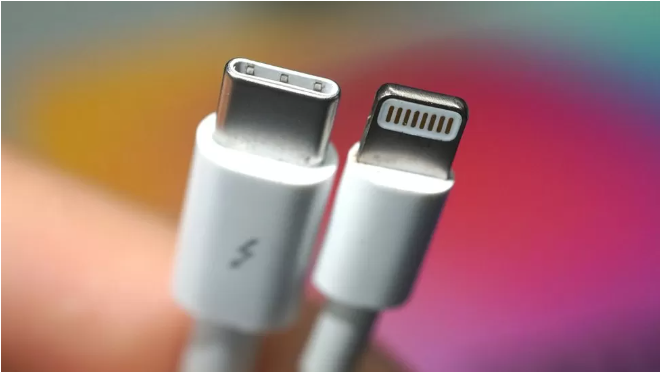
Apple's latest iPhone will almost certainly feature a USB-C charge point when it is unveiled on 12 September.
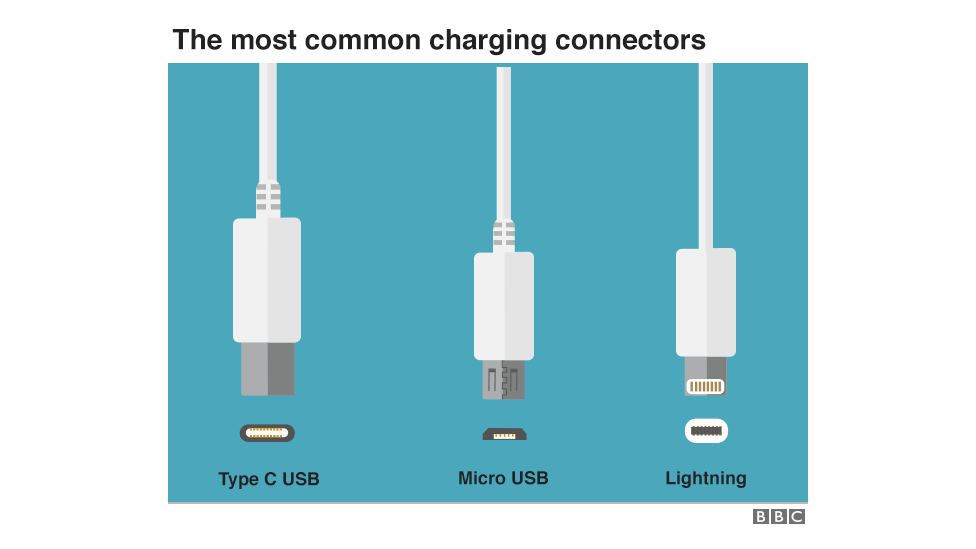
The firm's phones currently use its proprietary Lightning adaptor, unlike rivals, including Samsung.
A European Union law requires phone manufacturers to adopt a common charging connection by December 2024 to save consumers money and cut waste.
Most new Apple products such as the latest iPads already use USB-C, but the firm had argued against the EU rule.
When it was introduced in September 2021, an Apple representative told BBC News: "Strict regulation mandating just one type of connector stifles innovation rather than encouraging it, which in turn will harm consumers in Europe and around the world."
Lightning to USB-C adaptors are already available from other electronics brands including Amazon, and all iPhones since the iPhone 8 which launched in 2017 have supported wireless charging.
As the current iPhone 14 now looks to be the last Apple device to exclusively use it, this could mark the beginning of the end of the Lightning cable - which retails on the Apple store for £19.
It's unclear whether this will be a global change to the product, although the tech giant is less likely to make a different version of the handset for the European market alone.
The changes are anticipated in the new iPhone 15 and iPhone 15 Pro devices which are set to be unveiled next week at the firm's annual autumn event.
According to a report by Bloomberg news, benefits of the switch for users will include customers being able to use a single charger for iPads, Macs and iPhones, as well as faster download speeds.
The EU common-charger rule covers a range of "small and medium-sized portable electronics", according to the EU, including:
- mobile phones
- tablets
- e-readers
- mice and keyboards
- GPS (global positioning system) devices
- headphones, headsets and earphones
- digital cameras
- handheld videogame consoles
- portable speakers.
Any of these charged using a wired cable will have to have a USB Type-C port, regardless of who makes the devices.
Laptops will also have to abide by the rules but manufacturers have longer to make the changes.
According to the EU, it will save consumers "up to €250m [£213m] a year on unnecessary charger purchases" and cut 11,000 tonnes of waste per year.
Latest Stories
-
Current account stability to mitigate pressure on cedi; currency to end year at GH¢11.40 to a dollar
42 minutes -
T-bills auction: Government records 32% undersubscription; interest rates rise again
44 minutes -
Economy to remain relatively insulated from fallout of US–Iran conflict – Fitch Solutions
45 minutes -
[Watch Live] Shatta Wale, Kofi Kinaata, and others ignite the grand finale of Gomoa Easter Carnival
3 hours -
Berekum Chelsea edge Aduana FC in Bono derby to boost survival hopes
6 hours -
‘They can’t control the team’ – Ernest Thompson doubts local coaches for Black Stars role
7 hours -
Ghana-born midfielder Seidu realises ‘dream’ with Atlético Madrid debut
7 hours -
GPL 2025/26: Bubakari strikes late to hand All Blacks vital win over Dreams FC
7 hours -
Fatal crash on Kintampo–Tamale highway claims four lives
7 hours -
2025–26 FA Cup Semifinal Draw: Chelsea, Man City Learn Wembley Opponents
8 hours -
GPL 25/26: Gold Stars back on top after beating Nations FC
8 hours -
GPL 2025/26: Heart of Lions roar back with victory over Vision FC in Kpando
9 hours -
Solomon Agbasi: Hearts keeper in stable condition after concussion
9 hours -
GPL 2025/26: Late Salim Adams penalty earns Medeama draw at Bechem
9 hours -
Hearts pip Young Apostles 1-0 to end 5-game winless run
9 hours