

Audio By Carbonatix
The Accelerated Rural Development Organisation (ARDO), a not-for-profit organisation, is implementing a project aimed at mitigating the impacts of climate change by protecting the country’s forest reserves and sacred tree species.
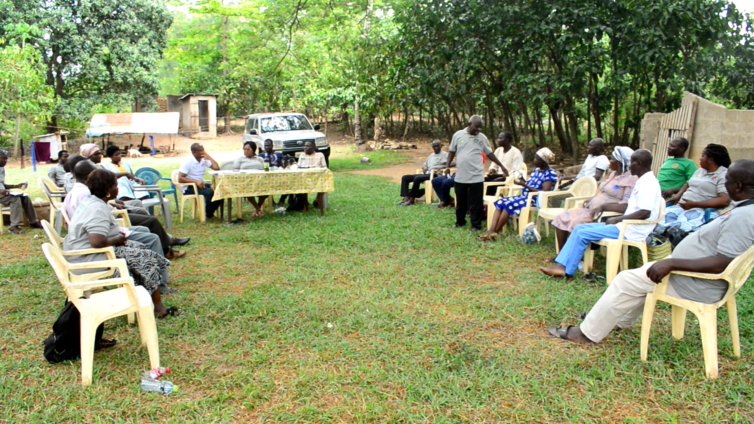
As part of this project, it engaged herbal medicine practitioners who rely on trees and herbs for their products, educating them on best conservation practices.
According to the United Nations Development Program, approximately 70% of patients in Ghana prefer herbal medicine due to its affordability, accessibility, and cultural and spiritual acceptance.
This has encouraged the government to integrate traditional medicine into the healthcare delivery system.
In response, ARDO has dedicated a component of its climate change project to ensure the production of safe herbal products and conservation of forest reserves.
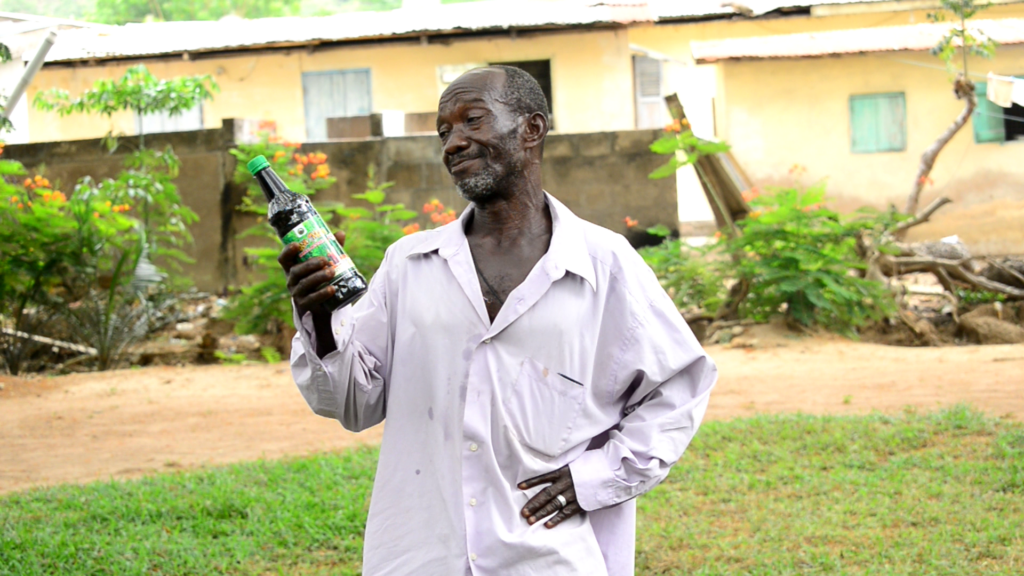
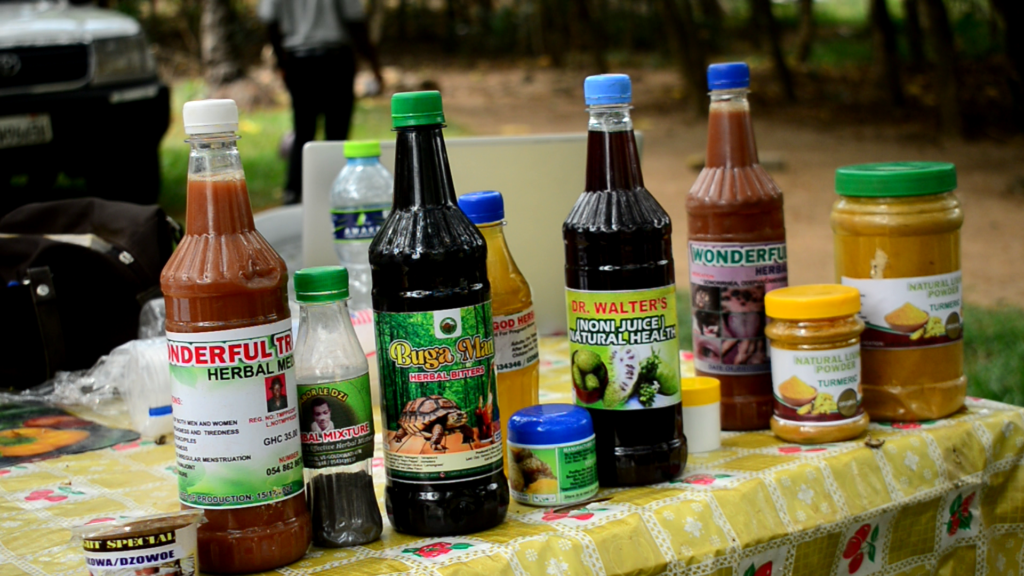
Selected practitioners in Have in the Afadzato South District of the Volta Region were engaged as part of the project, where they shared insight into the various medicines they produce and their efficacy.
The Executive Director of ARDO, Pascal Benson Atiglah said his organization aims to promote biodiversity by undertaking initiatives to conserve the environment and supporting livelihoods.
“This project is part of the process of ensuring that the forest is safe, the people who live by it are also benefiting from it. And that is why we have a key component being tree planting, sacred groove identification, documentation, and conversation”, he said.
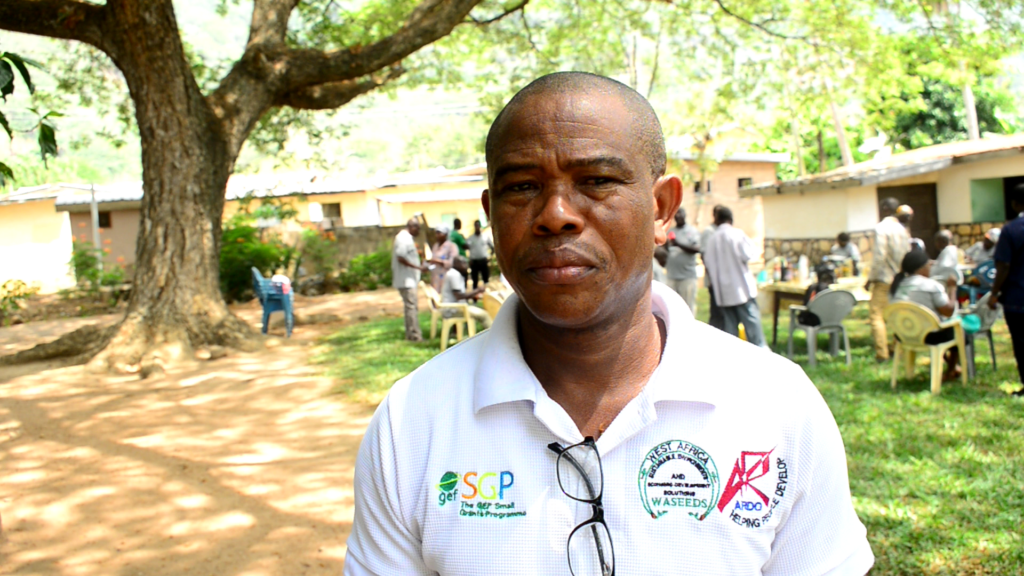
He explained that they roped in herbal medicine practitioners because they rely heavily on the environment for their products and hence must be educated on the best conservation methods.
“We believe that the herbal medicine practitioners are key stakeholders that contribute to either destroying the forests or will help to revive them, the reason why this program is organized for them. We also want them to ensure that whatever they are doing is safe for our consumption and would not have any effect on our health”, he said.
Mr. Atiglah also said that the initiative would provide a platform to build the capacities of these practitioners, enabling them to produce safe medicines.
The Programs Director of ARDO, Winfred Daniel Donkor, explained that the practitioners would be trained on safe production procedures, branding, and registering their products with the Food and Drugs Authority.
He said officials from the National Commission for Civic Education (NCCE) participated in the meeting to take beneficiaries through the legalities of their work, while that of the Business Promotion Centre of the District Assembly provided education on branding, registering and other documentation processes.
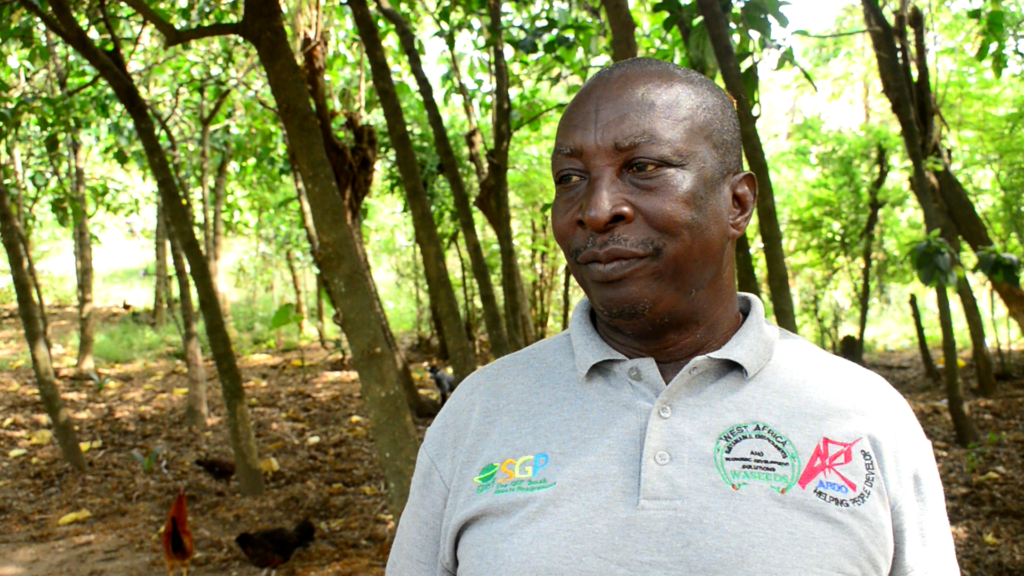
He stated that the selected practitioners would also receive support to undertake afforestation activities, by establishing herbal sites for the conservation of their raw materials.
“Every community they are operating in, we are encouraging them to establish an acre or two of herbal sites so that they can have access to their herbs for the production of their medicines”, he said.
He added that ARDO has established nurseries to raise seedlings of indigenous tree species to be distributed to farmers and herbal producers for cultivation.
He said that the project would advocate for a decrease in the use of agrochemicals, since they have adverse effects on the environment and contribute to climate change.
“We are encouraging them to adopt to use the organic methods, though it will take two to three years to see its benefits on their farms, but it is better and no effect on the environment”, Mr. Donkor said.
He further indicated that Fire Volunteer Groups have been set up in their operational areas to serve as ambassadors in their jurisdiction to educate indigenes on bush fires and equipped to fight wildfires.
Mr. Donkor added that support has been made available to selected farmers to go into vegetable farming to support their livelihoods considering the huge returns.
Practitioners praised the initiative, believing it would safeguard their livelihoods.
Latest Stories
-
First Atlantic Bank targets regional growth and digital expansion in 2026 outlook
1 minute -
Bond market: Turnover surges 559.42% to GH¢2.49bn
5 minutes -
Dagomba line residents begin rebuilding after Easter Monday inferno
6 minutes -
ECG substation upgrade exercise: parts of Accra to experience power outages
9 minutes -
IMANI petitions Mahama over alleged procurement breaches in state insurance placements
14 minutes -
First Atlantic Bank posts strong 2025 results as profit surges 30.5%
17 minutes -
Maguire signs contract extension with Man United
20 minutes -
The WTO is debating trade: The world runs on investment
47 minutes -
Minority questions gov’t purchase of fuel-powered buses, pushes for electric alternative
48 minutes -
GFA Executive Council to decide on new Black Stars coach ahead of 2026 World Cup
49 minutes -
One injured as fire destroys 14-bedroom house at Kwame Danso
57 minutes -
GACL struggling despite recording profit, levy needed for expansion – Agalga
1 hour -
Kwahu Business Forum: Ghana Sports Fund calls for stronger corporate backing for sports dev’t
1 hour -
Suhum Children’s Health Centre: A story of collaboration, recognition, and global support
1 hour -
Polling is no longer measuring opinion, it’s manufacturing it – Opong-Fosu
2 hours