


Audio By Carbonatix
Nigeria's government rejected on Wednesday its designation by the United States as a "country of particular concern" over alleged religious freedom violations, saying the move was based on misinformation and faulty data.
President Donald Trump last week put Nigeria back on a list of countries that the U.S. says have violated religious freedom, and said on Saturday he had asked the Defence Department to prepare for possible "fast" military action if Nigeria does not crack down on the killing of Christians.
Washington's decision to designate Nigeria as a violator of religious freedoms has strained diplomatic ties between the two countries.
THREATS OF MILITARY ACTION UNWARRANTED, MINISTER SAYS
Defending Nigeria's record, Information Minister Mohammed Idris told a press briefing that Trump's threats of military action were unwarranted and misrepresented Nigeria's complex security challenges.
"...any narrative suggesting that the Nigerian State is failing to take action against religious attacks is based on misinformation or faulty data," Idris said.
Nigerian Chief of Defence Staff General Olufemi Oluyede said on Monday the country faced terrorism, not persecution of Christians, and the Nigerian presidency has said it would welcome U.S. help in fighting Islamist insurgents as long as the country's territorial integrity is respected.
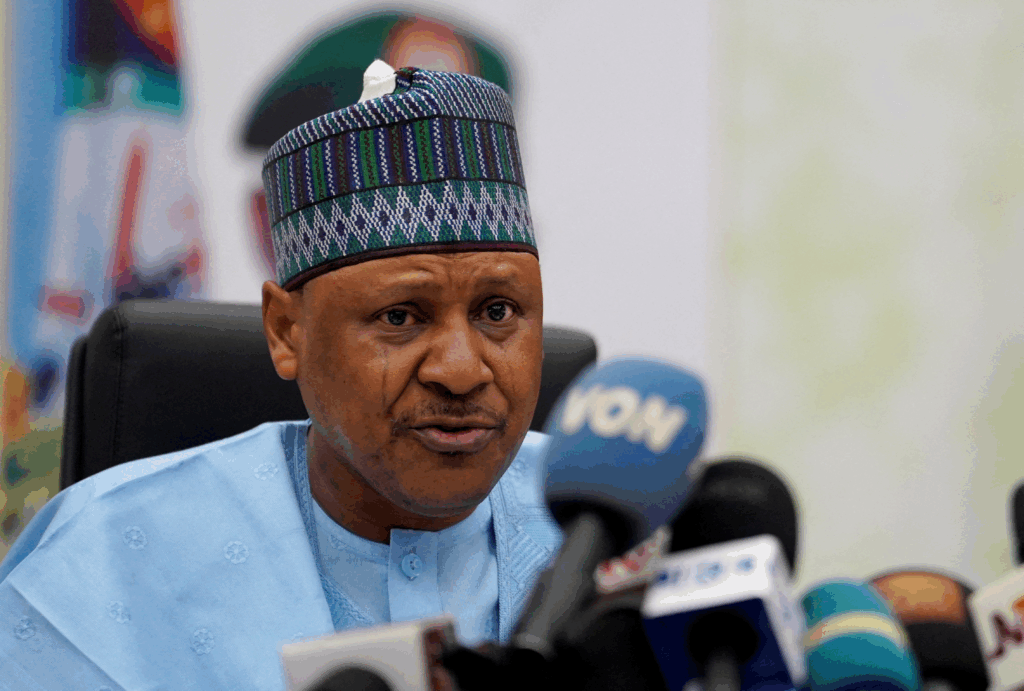
Idris said President Bola Tinubu's government had made significant progress in tackling terrorism since taking office in May 2023.
"The Government of Nigeria remains open and willing to work closely with the Government of the United States, other friendly nations and partners, to achieve our shared goal, the complete elimination of terrorism on Nigerian soil," Idris said.
More than 13,500 militants have been killed, 17,000 suspects arrested, and over 11,200 hostages — including women and children — rescued, he said.
Idris said terrorism affected both Christians and Muslims, and that the government is committed to ending extremist violence through military action, regional cooperation and dialogue with international partners.
Nigeria, home to more than 200 ethnic groups practicing Christianity, Islam and traditional faiths, has a history of coexistence but has also seen sporadic violence, often driven by ethnic tensions and competition over scarce resources.
Latest Stories
-
Anti-LGBTQ+ Bill: Ghanaians demand expedited passage, not dialogue – Ntim Fordjour to Mahama
1 minute -
EU airline industry warns of fuel shortages if Strait of Hormuz stays closed
4 minutes -
White House staff told not to place bets on prediction markets
12 minutes -
Auctioneers petition Prez Mahama over ‘interference’ in public auctions
19 minutes -
GEA, Mastercard Foundation drive market access for MSMEs at Kwahu Business Forum
21 minutes -
Education Ministry begins review of Ghana Library Authority law
29 minutes -
Ghana U-15 girls clinch back-to-back CAF Schools titles
34 minutes -
Rev. Ntim Fordjour urges Mahama to issue directive to fast-track anti-LGBTQ+ bill
36 minutes -
GPL 2025/26: Stoppage-time penalty hands Aduana FC win over leaders GoldStars
39 minutes -
Ntim Fordjour rejects call for more dialogue, says anti-LGBTQ+ bill has faced a decade of debate and delay
40 minutes -
Catholic Bishops say moral values must match economic priorities in Anti-LGBTQ+ debate
1 hour -
IGP Yohuno urges merit and hard work ahead of Police Academy exams
1 hour -
Queendalyn Yurglee releases debut album ‘Clouds of Glory’
2 hours -
UDS moves to clear MPhil student wrongly linked to robbery case
2 hours -
Vodza Regatta 2026: Prof Audrey Gadzekpo rallies investors for coastal tourism growth
2 hours