

Audio By Carbonatix
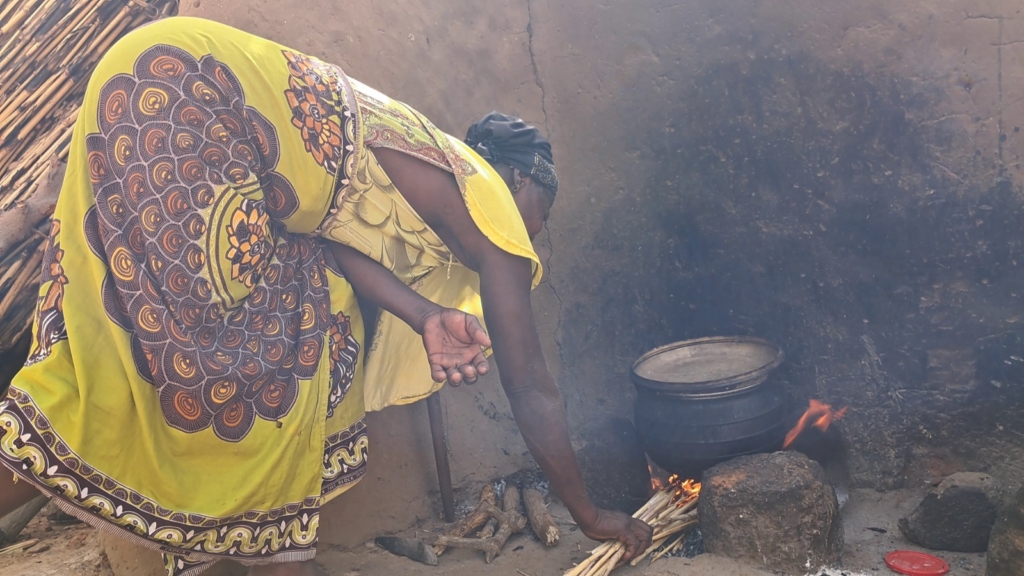
The sun was still soft when I entered Zuuku. In the open courtyard of a mud house, a woman bent over a small fire. She fed it with dry millet stalks, and the smoke rose lightly, disappearing into the wide sky. Children moved around her, waiting for breakfast. The scene looked ordinary, yet inside it was a quiet answer to a global problem.
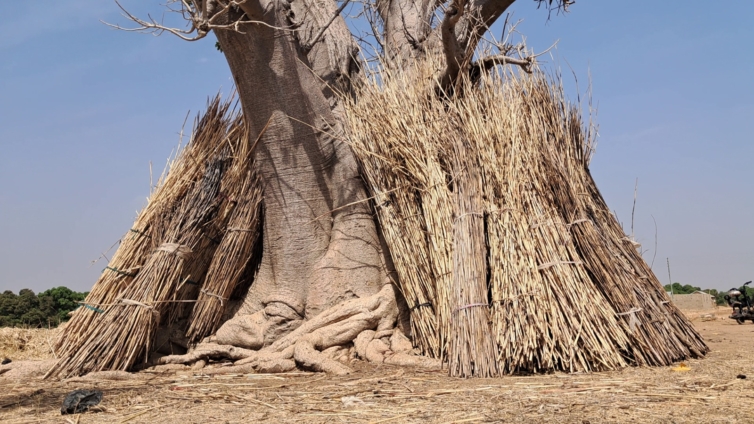
Across the world, leaders talk every day about how to fight climate change. In Zuuku, near Bawku in Ghana’s Upper East Region, families are not waiting for big meetings. They are using what lies on their farms. They pick the long sticks left after harvest—maize stalks, millet stalks, and other residues—and cook with them. To outsiders, these are brown piles of waste. To the people there, they are a year-round energy.
Life in Zuuku has not always been easy. Charcoal is unavailable, and firewood is becoming hard to find. Many women remember the days before gas cookers arrived in the cities. Back then, their mothers already knew how to dry and store stalks for cooking. The practice followed them into the present like an old friend.
Energy specialists call these materials biomass. In simple terms, biomass is fuel that grows with the crops. When farmers plant again, the fuel grows again. It does not end like gas or petrol, which must be bought from far away. The land renews itself each season.
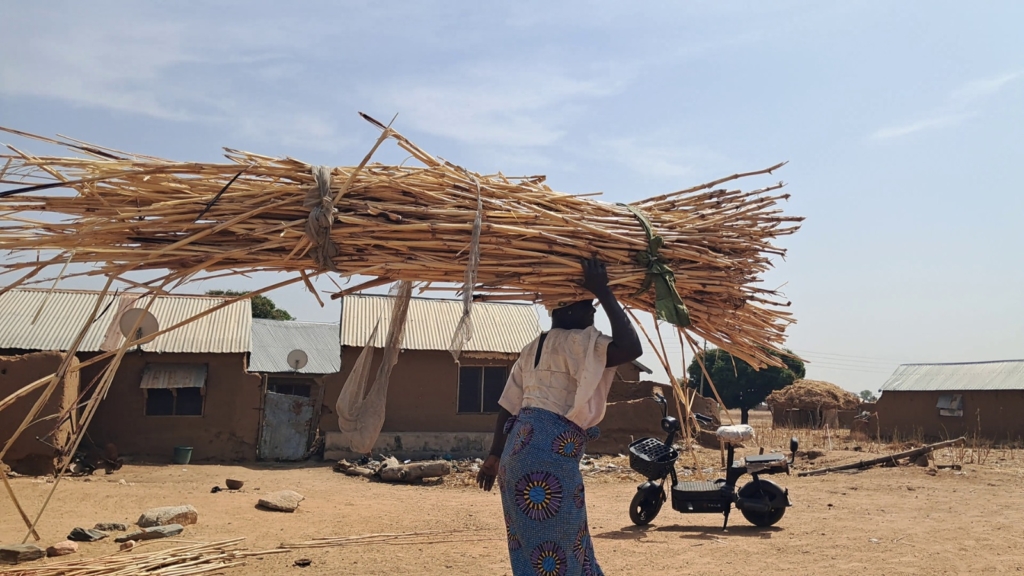
After every harvest, women walk through the fields with calm purpose. They tie the stalks, carry them home on their heads, and store them in dry corners or small barns. Through the long dry months and heavy rains, the stalks wait patiently for the cooking pot.
Sometimes, the women also sell part of the stored stalks to others who need energy for cooking. This turns what many would call waste into a small but meaningful source of income.
Ayishetu Ayaanab, 66 years old, cooks with crop residues every day. She says the practice saves money, time, and the forest.
“Sometimes I sell some of the stalks,” she said. “With even 10 cedis, I can buy soap or help with food in the house. This energy is cheaper than firewood, and firewood is destroying our forests.”
Environmental specialists say Zuuku’s practice is renewable and climate-smart when used properly. Instead of cutting trees for firewood or burning farm waste openly, the community reuses what is already available. This reduces pressure on forests and lowers pollution in the air.
“When crop residues are reused for cooking, there is less need to cut trees,” explained Dr. Alexander Nti Kani, an environmental expert with the Centre for Climate Change & Food Security (CCCFS). “That helps protect forests, reduce carbon emissions, and keep the land healthy.”
This local experience is supported by scientific research in the country. Researchers from Ghana and Germany recently studied energy use in Sunyani, in the Bono Region. They found large amounts of unused biomass that could be turned into clean energy instead of being left to waste.
Professor Nana Sarfo Agyemang Derkyi, part of the research team and Ghana lead for the Level Up Waste-to-Energy Project at the University of Energy and Natural Resources in Sunyani, said, “We have so much organic waste that can produce energy. If serious action is taken, some areas could be powered with waste within a month.”
He explained that using waste for energy would also reduce pressure on Ghana’s forests.
“When we turn waste into energy, we cut down the need for firewood,” he said. “That means fewer trees are destroyed.”
Renewable energy lecturer Dr Gifty Serwah Mensah added that leaving organic waste to rot is also dangerous for the climate.
“When organic waste is left to rot, it releases methane,” she said. “Methane is very dangerous for the climate. But we can capture this waste and turn it into clean energy.”
She explained that organic waste can be converted into biogas, electricity, or clean cooking fuel, noting that every tree cut for firewood weakens Ghana’s forests and puts women at risk.
“If we turn waste into cooking fuel, women won’t need to enter forests for firewood. We protect forests and save lives at the same time,” she said.
Globally, the need for such solutions is urgent. According to the International Energy Agency (IEA), about 1 billion people in sub-Saharan Africa still lack access to clean cooking solutions, and roughly four out of every five households in the region rely on polluting fuels like wood and charcoal rather than cleaner options.
According to the World Health Organisation, smoke from traditional cooking fuels such as wood and charcoal caused an estimated 2.9 million premature deaths worldwide in 2021, with women and young children among those most affected.
Firewood produces more smoke and harmful air pollutants when burned, posing serious health risks. Charcoal burns more cleanly in households, but its production releases large amounts of carbon dioxide and black carbon and contributes significantly to deforestation, making it more damaging for the climate overall.
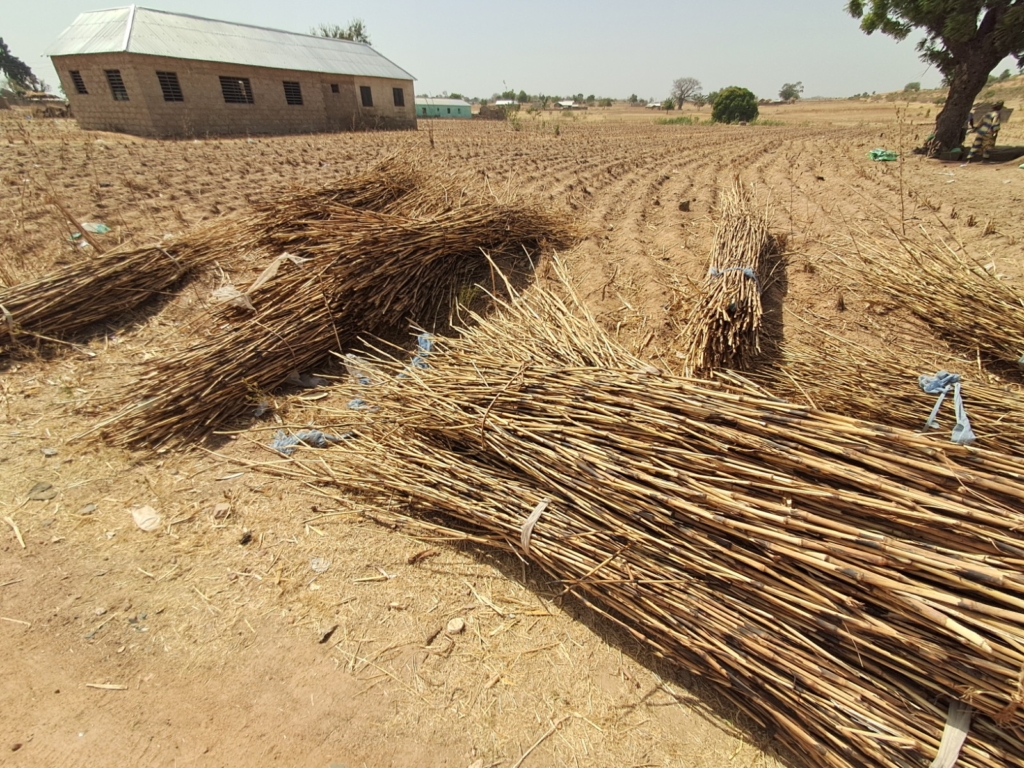
Experts say crop residues such as maize stalks and millet stalks are not a silver bullet, but they offer a cleaner and renewable alternative to firewood and charcoal when properly dried and used with appropriate stoves and ventilation.
In Zuuku, the benefits are already visible. Women cooking in open compound houses with good ventilation find that properly dried crop residues are much safer than indoor firewood, as smoke disperses quickly and exposure is greatly reduced.
Rebecca Azure, 73, says trees are not meant to be destroyed carelessly. “Trees are meant to protect humans,” she said. “Using the stalks instead of cutting trees shows respect for God’s creation.”
Rebecca grew up watching her parents use crop residues. Today, she explains the same practice using modern climate language and encourages young people to value local knowledge.
“What our grandparents did naturally is what the world now calls climate action,” she said.
A community elder in his 70s, Amadi Abugre, who has farmed all his life, says collecting crop residues and using them as cooking fuel solves many problems at once.
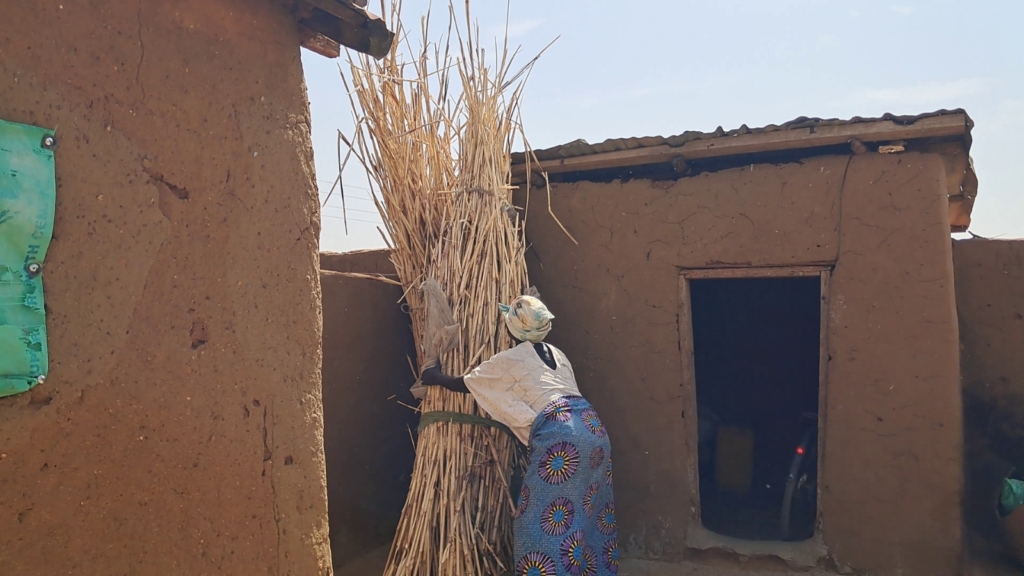
“When waste is left on the farm and burned, it affects the soil over time,” he explained. “Using the stalks for cooking keeps the land healthy and helps us in the home.”
According to the Food and Agriculture Organisation of the United Nations (FAO), burning crop residues harms both the environment and soil health. When crop waste such as rice straw is burned, it releases harmful gases and particulate matter that pollute the air.
The practice also causes the loss of important soil nutrients such as nitrogen, phosphorus, and potassium, and can kill beneficial soil organisms, reducing soil quality over time. Better uses of crop residues, such as converting them into energy or mulch, can reduce pollution and help maintain soil fertility.
Experts say Ghana already has many of the solutions it needs. What is missing is action, investment, and support for communities that are already doing the right thing.
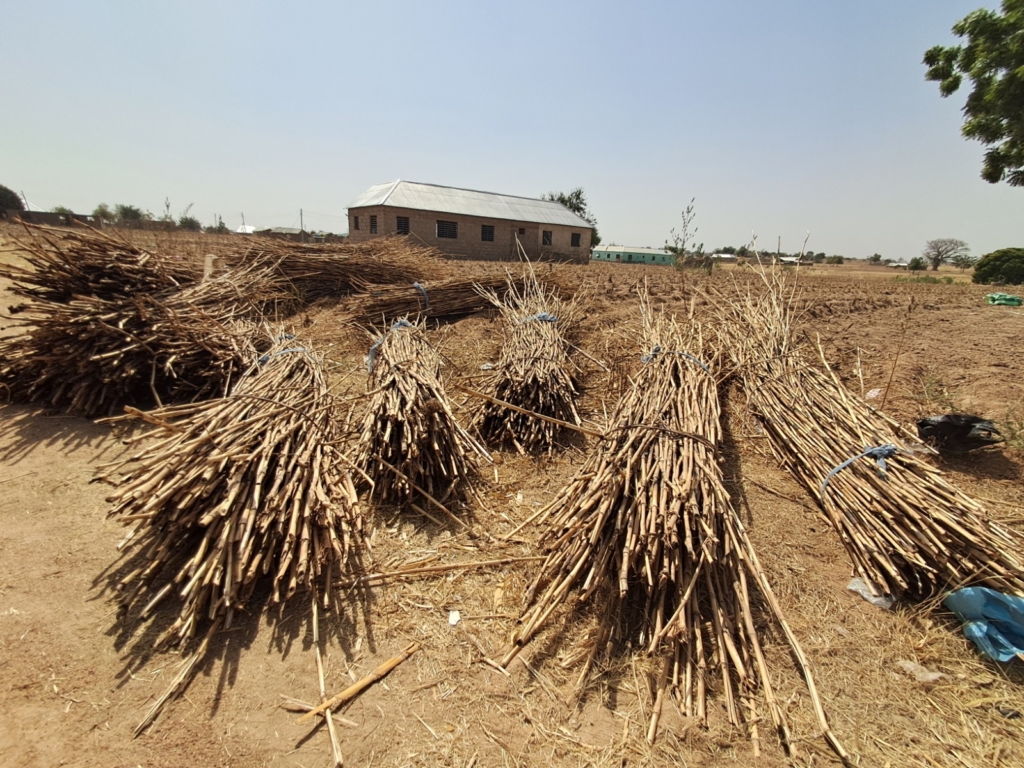
Zuuku’s story shows that climate solutions do not always need expensive technology or foreign ideas. Sometimes, they already exist within communities, passed down quietly through generations.
As the world searches for answers to climate change, Zuuku offers a simple lesson: sustainability is not always new. Sometimes, it is tradition.
By storing crop residues, using them as renewable energy, protecting the soil, and saving trees, the people of Zuuku have been practising climate action long before it had a name.
Latest Stories
-
Catholic Bishops say moral values must match economic priorities in Anti-LGBTQ+ debate
4 minutes -
IGP Yohuno urges merit and hard work ahead of Police Academy exams
17 minutes -
Queendalyn Yurglee releases debut album ‘Clouds of Glory’
50 minutes -
UDS moves to clear MPhil student wrongly linked to robbery case
1 hour -
Vodza Regatta 2026: Prof Audrey Gadzekpo rallies investors for coastal tourism growth
1 hour -
Introduction of 100 new Metro Mass buses won’t affect transport unions – GPRTU
1 hour -
Deputy Transport Minister backs Yellow Line traffic initiative
1 hour -
MTN Ashanti-Fest music concert set to hit Kumasi on Saturday
2 hours -
Authorities probe discovery of dead fish at Tema shipyard
2 hours -
Minority welcomes fuel tax cuts, demands accountability for GH¢1 levy
2 hours -
It remains a priority — Sam George on Anti-LGBTQ bill
2 hours -
Police arrest Nigerian national seen in viral videos wearing police uniforms
2 hours -
Free golf training empowers underprivileged girls in Accra
2 hours -
Why SIGA’s reset is not a market sin, but a national necessity
2 hours -
SIGA Directive: Beyond the theatre of institutional displacement
2 hours