

Audio By Carbonatix
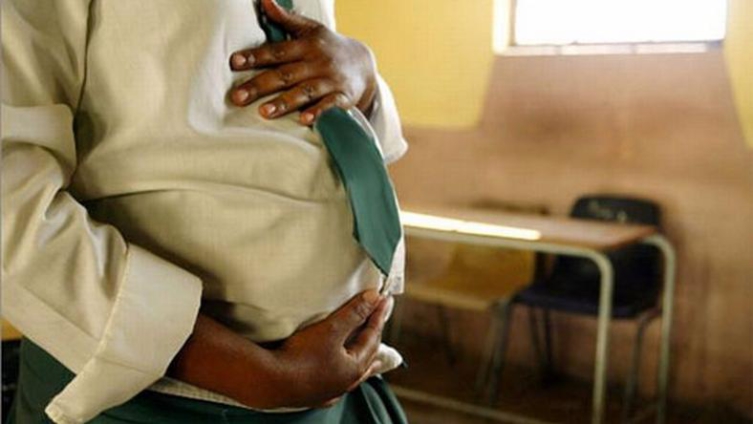
Researchers have found 67.1 per cent prevalence of anemia in pregnant women in Ghana, mostly, without formal education.
A study by Dr. Kobina Kwegyir-Aggrey and Dr. Emmanuel Appiah-Brempong of the Kwame Nkrumah University of Science and Technology (KNUST) suggests the rate is above the 42 per cent national average.
The Medical and Public Health Schools of the University jointly undertook the research.
A 2014 study by the United States Agency for International Development (USAID) showed an overall anemia prevalence of 66 percent in children from 6 months to 5 years.
The rate was 42 per cent among women of reproductive age.
Between 2008 and 2014, the Ghana Health Service established a slight drop in the prevalence rate for both groups.
The decline in children, however, benefitted the less vulnerable, mostly, from high income and formally educated mothers of up to second-cycle level.
The drop in women was found across moderately wealthy urban and rural dwellers.
Malaria and anaemia
Endemic malaria is largely responsible for anemia in Ghana.
In pregnant women, there is the risk of a negative impact on the health and wellbeing of both mother and unborn child.
The socio-economic implication on individuals, families and society is enormous.
The latest study also assessed knowledge and practices of pregnant women attending antenatal-clinics at the La Dade Kotopon Municipality.
Sixty percent of women were found to have adequate knowledge on the condition.
170 persons interviewed for the study were also assessed on causes, risk factors, clinical features, complications and treatment.
The research again found anemia common among the unmarried women in their last three months of pregnancy.
Women from 15 to 24 years, those with once or twice gotten pregnant and those with inter-pregnancy intervals of three or more years were also implicated.
The study again found 58 per cent, representing more than half of women diagnosed with malaria, were anemic.
Role of diet
The researchers were happy the majority of the respondents followed dietary modification advice.
They were surprised less than half of them visited the clinic, for the first time, after the first three months of pregnancy. Less than half of them use mosquito nets.
“This hinders early institutions of measures to prevent anemia,” they noted.
Investigators recommend concerted efforts to improve the knowledge of pregnant women about anemia and increase compliance to preventive measures.
“Individuals need to take advantage of available interventions and visit antenatal clinics early,” they said.
Latest Stories
-
Fire guts auto parts warehouse at Bubuashie, one fire officer injured
45 seconds -
I owe my victory to coach Ofori Asare – Allotey after winning WBA Africa Gold Super Flyweight belt
5 minutes -
Church of Pentecost supports over 2,000 BECE candidates in Obuasi with career guidance seminar
2 hours -
Brandon Asante and Coventry all but promoted to Premier League despite Sheffield Wednesday draw
2 hours -
GPL 2025/26: Late Kwartemaa strike downs Hearts in Tema
2 hours -
Ghana Faces Sierra Leone Moment as Prosecutorial Powers come under strain
2 hours -
Don’t consume fish or seafood from Tema Shipyard until further notice – FDA warns
2 hours -
Why volunteering might be Africa’s most underrated career accelerator
2 hours -
ActionAid Ghana raises concern over gender gaps in Feed Ghana Programme
3 hours -
Windstorm wreaks havoc in Gushegu, displacing nearly 2,000 residents and damaging schools
3 hours -
Friends of Bridget Bonnie Marks her 35th birthday with donation to Kasseh Model Health Centre
3 hours -
From Ekumfi Kokodo to the Pulpit Stage: Essi Donkor’s gospel journey takes shape
4 hours -
Landfilling waste management creates no value, it’s an economic waste
4 hours -
Photos: Speaker Bagbin Commissions MPs constituency office under parliamentary decentralisation programme
4 hours -
Black Stars technical advisor Winfried Schäfer sacked as GFA shakes up backroom staff
4 hours