

Audio By Carbonatix
Maize yields have increased for farmers in the Atwima Nwabiagya South District of the Ashanti Region by 38%, compared to the national average.
The 'Promoting Agroecological Practices for Improved Maize Production and a Healthy Environment' (PAPISHE) project has directly benefited 550 farmers and impacted over 2,000 others indirectly.
About 87% of farmers exposed to agroecological technologies have expressed interest in adopting and scaling up these practices on their farms. However, project managers are calling for additional funding to expand the program and reach more beneficiaries.
ABOUT PAPISHE PROJECT
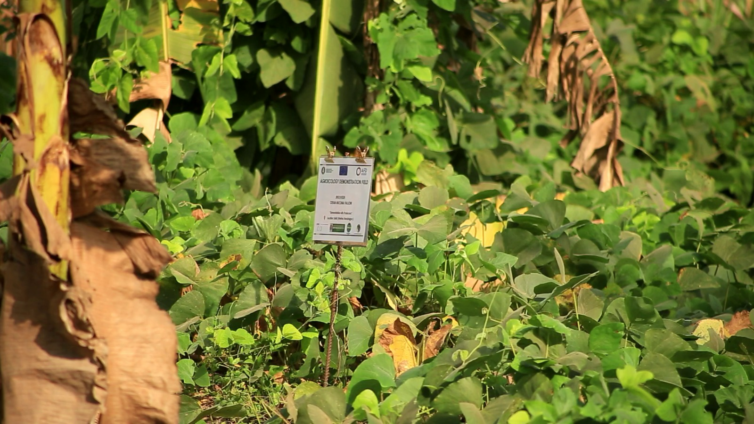
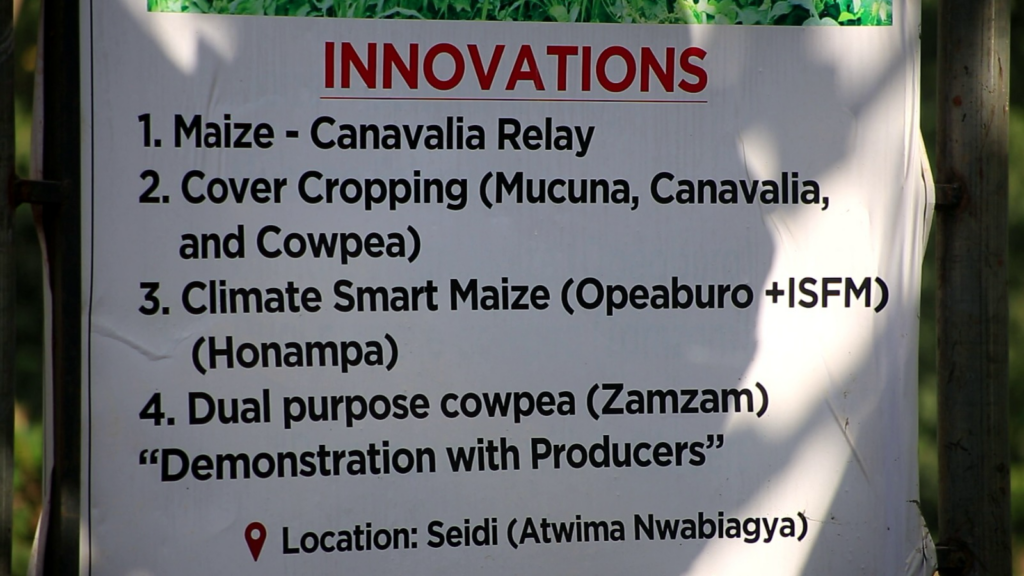
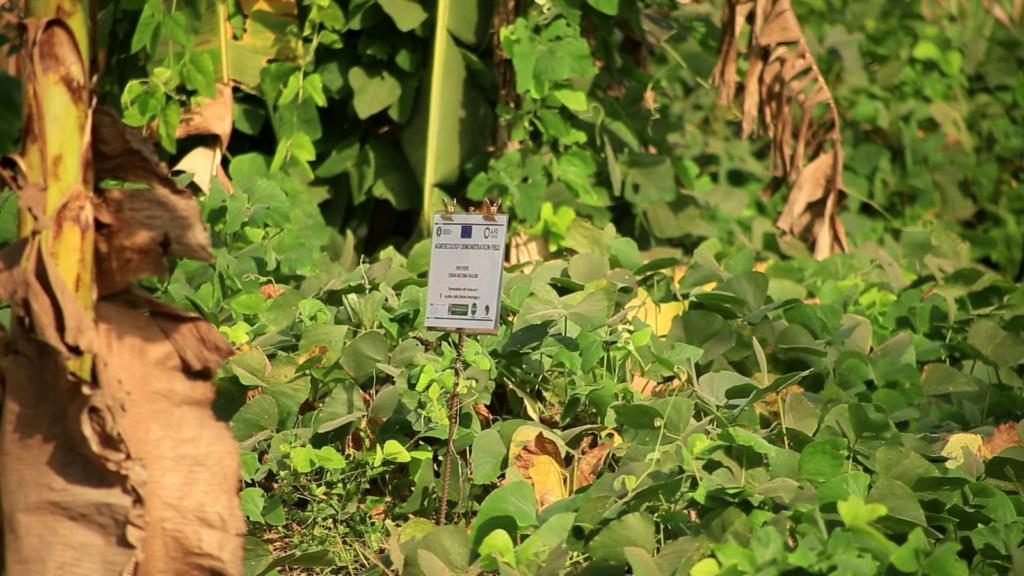
PAPISHE project is an initiative aimed at changing farming in the Atwima Nwabiagya South District. Established at Seidi, the project focuses on agroecological practices that enhance sustainability, increase yields, and benefit the environment.
A strong partnership supports PAPISHE. The Center for No-till Agriculture (CNTA), the Crops Research Institute (CRI), and the National Association of Farmers and Fishermen Award Winners Association of Ghana (NFFAWAG) have teamed up with the ECOWAS Agroecology program. This initiative is backed by the European Union and the French Development Agency, all working towards combating climate change and ensuring food security for the future.
Director for CNTA, Dr Kofi Boa, stated that frequent ploughing and other similar practices are harmful to the soil, as the soil's structure needs to be stabilized.
“Structure stability is very important in soil health building. That’s why we emphasise no-tillage farming. We make sure the soil is covered all year round. So whenever we prepare the land, we always leave everything on the ground to form a carpet of mulch,” he said.
These techniques are a win-win for both farmers and the environment. Crop rotation ensures soil remains enriched, preventing soil depletion. The methods also reduce the spread of pests and diseases, thus boosting both the economy and the environment. With less reliance on external inputs, farmers are set for a more sustainable future.
Dr. Boa indicated that, by adopting agroecological practices, farmers reduce dependency on external inputs like fertilizers, and pesticides, and preserve the integrity of the soil for future generations.
The Department of Agriculture in the Atwima Nwabiagya South District and other adjoining districts have benefited from the project, with extension officers receiving training to spread agroecological knowledge to farmers across the region. This capacity-building aspect ensures that the methods are replicated and scaled across more communities.
Kwame Yeboah and Henry from the department are excited about the project as it provided them with the chance to share their knowledge with farmers.
“At first, our farmers were using the traditional method. That’s the slash-and-burn method. But the project has helped to practice no-tillage,” Kwame said.
Henry stated the project has equipped them with the skills to teach farmers how to improve their yields and restore soil fertility.
“Farmer-to-farmer extension service has improved,” he said.
A representative of the farmer groups in the district, Esther Nsiah Asare, shares her experience with the PAPISHE project.
"There is no way I will go back to the slash-and-burn method because it is costly. You have to buy a lot of chemicals, but with this practice, I don’t need to buy these chemicals,” she said.
One of the most impactful techniques is no-till technology. The method allows seeds to be directly sowed into living mulch, conserving water, preventing soil erosion, and maintaining a healthy environment. It's a game-changer for sustainable farming.
Project Manager of PAPISHE, Dr Stephen Yeboah said the project has made a significant achievement in delivering its objectives.
"When the increment in yields is translated into income, it will have significant effects on livelihood,” Dr Yeboah stated.
With the success of PAPISHE so far, the project’s managers are calling for further investment to expand its reach. As the world faces increasing challenges with changing weather patterns and food security, partnerships like PAPISHE are sowing the seeds for a more sustainable and prosperous future for all.
Experts say, through initiatives like PAPISHE, the future of farming in Ghana looks brighter. By promoting sustainable practices and empowering farmers, we can ensure a healthier environment and food security for generations to come.
Latest Stories
-
Gov’t is set to issue a 7-year cedi bond on March 30, first since 2022
2 hours -
Graduates flood the workforce without practical skills – Auba Consult CEO
2 hours -
GCB Bank strengthens market leadership with record GHS3.2 billion profit in 2025
2 hours -
Luv FM Primary Schools Quiz: Manna International School books finals slot
2 hours -
Universal Hospitals Group marks Ghana month with donation to children at Ridge Hospital
2 hours -
Senegal to parade Afcon trophy despite title being stripped
3 hours -
A-Plus announces plans to build port, launch Free Zones and new city in Gomoa Central
3 hours -
Elon Musk’s X advertising boycott lawsuit dismissed by US judge
3 hours -
Fear of losing elections shouldn’t stop you from doing right — A-Plus
3 hours -
‘It’ll come back to hunt you’ – Senanu warns Minority against politicising Damang Mine lease
3 hours -
Mahama welcomes UN resolution declaring slavery gravest crime against humanity
3 hours -
Paramount Chief of Asante Akyem Agogo, Nana Akuoko Sarpong passes on
3 hours -
NIA announces early closure of registration centres for Heritage Month activities
4 hours -
My focus is industrialisation, not parliamentary debates—A-Plus
4 hours -
Inclusivity and accountability key to Ghana’s development – NDPC Chairman
4 hours