

Audio By Carbonatix
Loud cheers and applause echoed around the stadium as the world watched Australian Eleanor Patterson triumphantly pump her fists after clearing 1.95m in the Paris Olympics women’s high jump final.
It was a moment of pure joy for Patterson, but for many Ghanaians, it was a bittersweet reminder of what could have been—a painful "what if?"
What if Ghana’s own Rose Yeboah had reached the final? Just six weeks before the Games, she had cleared a height 2cm better than the Olympic bronze medal jump. So, what went wrong?
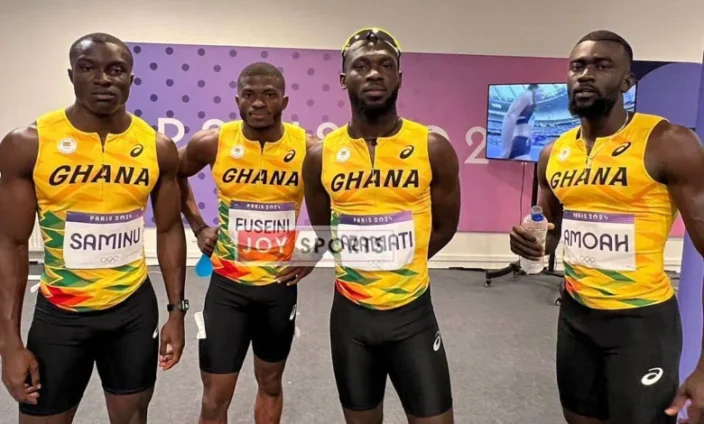
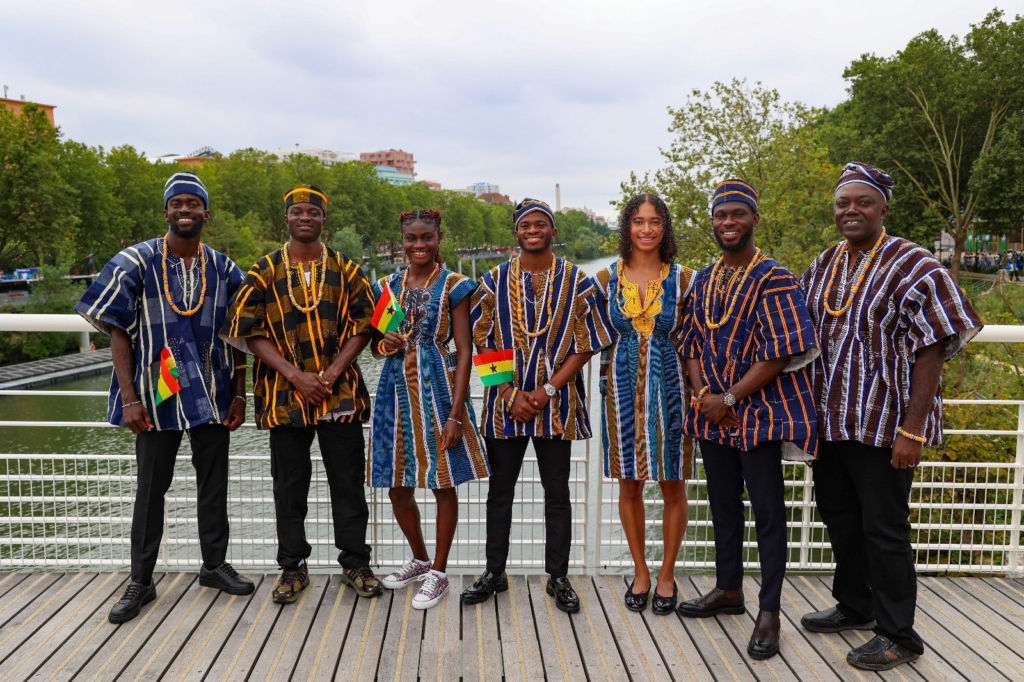
The Paris Olympic Games have ended, and it was yet another abysmal showing by Team Ghana.
First-round exits in four out of five events left Ghanaians disheartened, though sadly, it was expected.
In today’s highly competitive world of sports, raw talent alone isn't enough in modern-day sports. Without consistent and deliberate efforts to develop and hone an athlete’s skills, they’ll have low chances of success.
It’s science, not magic.
Yet, every four years, Ghana repeats the same mistakes, expecting different results.
Granted, there are times some surprises spring up, but consistency in results is the true reflection of the quality of preparation.
Charlie Batch put it best when he said, “Proper preparation prevents poor performance.”
In this country where you and I were born, it appears we or should I say leadership have cultivated a culture of hanging on to the surprise element in the sport, relegating Mr Batch's wisdom to the dustbin.
I know they will disagree, but if they haven't, why has Ghana fallen into the habit of preparing for the Olympic Games only weeks before the event—a strategy that simply won’t cut it at the elite level?
Rose Yeboah returned to Ghana, days after setting the new national record of 1.97m, and proceeded to Douala for the African Athletics Seniors Championships, where she won gold, clearing the bar at 1.90m.
Every major competition this 22-year-old had been to, she returned with gold. That 1.97m made her the first Ghanaian woman ever, to qualify for the Olympic Games in Ghana’s history.
With her trajectory, any forward-thinking leader would have known that she was a potential medalist, but guess what, when she returned to her motherland in the most crucial six weeks of what looked like a promising Olympic debut campaign, she had to spend those days in Cape Coast without the coach who had helped her reach those heights.
The reason? There was no money to fund the coach’s inclusion in Team Ghana’s officials for the Games.
This tale is synonymous with other Ghanaian athletes every Olympic year.
Incredibly, when it was time for high-ranking government officials to make the trip to Paris as mere spectators, the funds suddenly appeared.
Ghana has never lacked talent. Benjamin Azamati, the nation's fastest man, set a national record of 9.90s in 2022, during his time at Texas A&M University, aged 24, only to see his career stagnate after graduation due to funding and access to quality coaching and training facilities.
These are not just isolated cases but part of a larger, systemic failure.
Other nations have shown that timely state involvement can change the course of an athlete’s career. The stories sound similar in the beginning, but due to the direct and timely involvement of their states, their outcomes differ.
Take Saint Lucia, for example, which had never won an Olympic medal before Paris 2024. This Island of just 179, 857 people as of 2022, claimed gold and silver medals, thanks to one woman, Julien Alfred.
World Athletics described her feat, as a small nation with big talent. Ghana has it, too, but it's how these talents are treated here.
When Aflred began showing immense promise in the years leading to Paris 2024, she was granted a diplomatic passport as well as budgetary support by the St Lucian government, to aid her preparation for the Olympics.
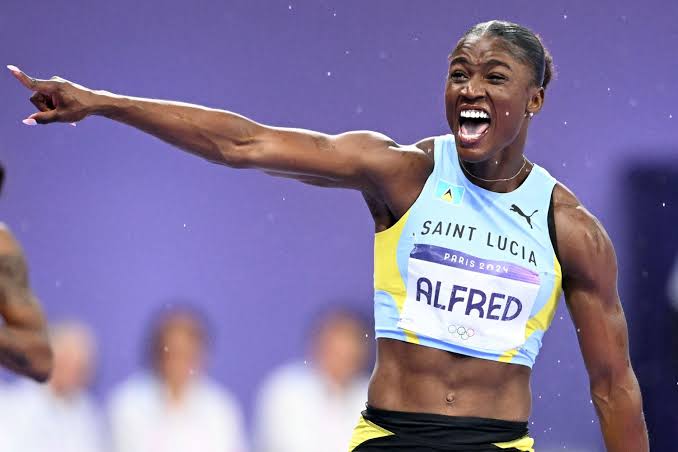
Representing the heart and soul of the St Lucian people, her countrymen and women watched her claim gold on giant screens at various parks, cheering as though they were in the stadium. A truly breathtaking spectacle.
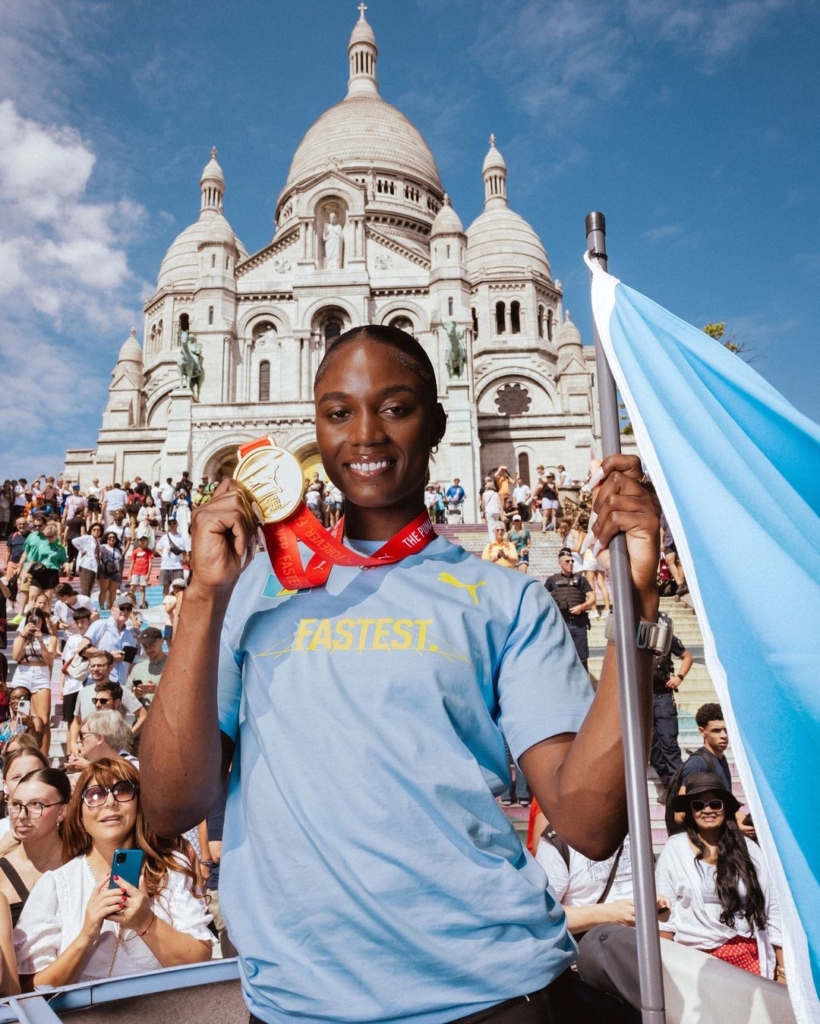
With good planning and preparations, they reaped its benefits.
If Ghana to St Lucia is about 6,705km away, Botswana is just about a third of that journey. That southern African country also serves as a shining example.
From the moment athletes qualified for the Paris Olympics, they were put on a $615 monthly stipend from the state of Botswana for qualifying for the Olympics, as well as a qualification bonus of about $2,500 and an appearance fee of about $400.
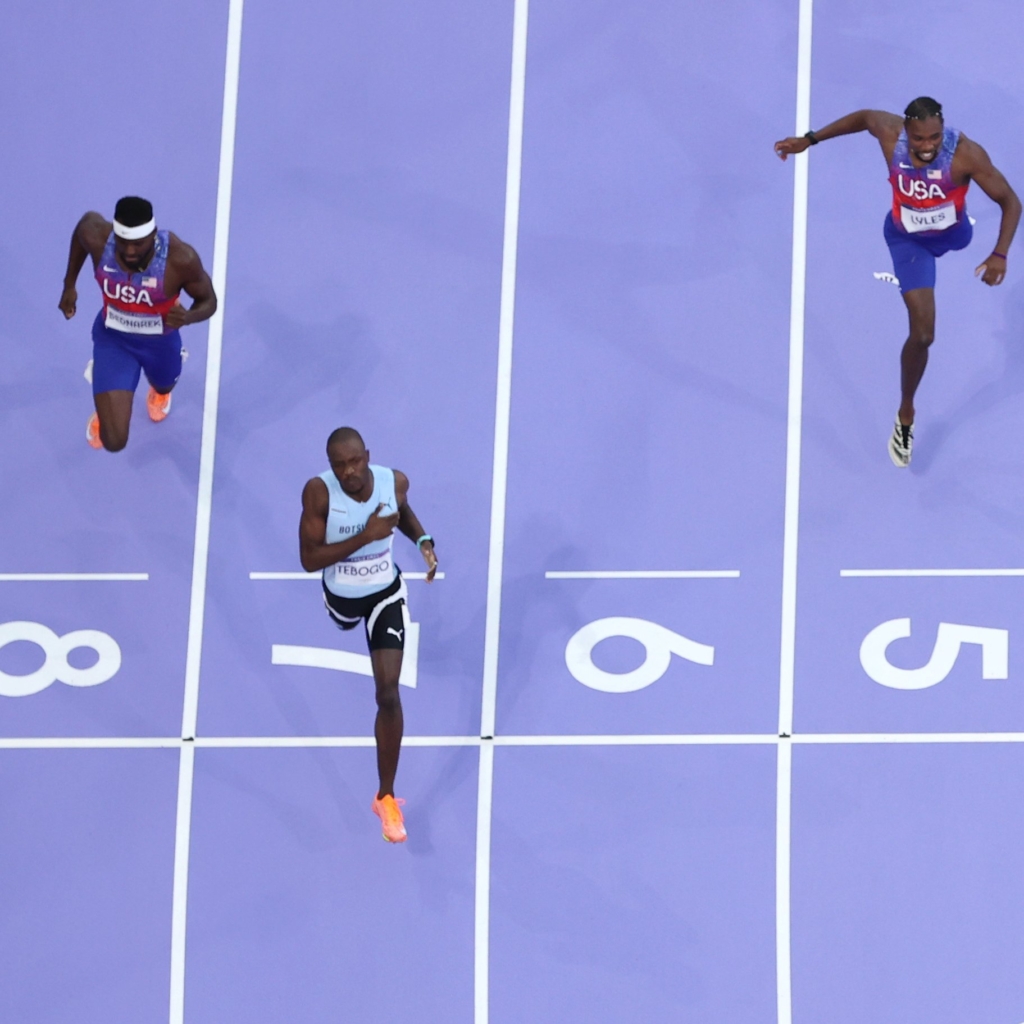
The result? A gold medal in the men’s 200m, courtesy of Letsile Tebogo, and a silver in the men’s 4x400m.
These stories illustrate the critical importance of state incentives, especially in track and field.
Ghana must move beyond mere participation in these games. The potential for winning medals is there; what’s missing is a radical change in approach—one that involves consistent and deliberate planning and funding.
Taxpayers will place more value on a Ghanaian athlete offering genuine competition for medals at the Olympics, than setting high-ranking government officials present at the games, cheering on their behalf.
Latest Stories
-
‘We’ve become quite experienced in negativity’ – Liverpool’s Slot
5 hours -
Legendary manager Lucescu dies days after resigning
5 hours -
One dead as train travelling 99mph collides with lorry in France
5 hours -
Airlines cut flights and hike fares as fuel prices surge
5 hours -
Kane inspires Bayern to first-leg advantage over Real Madrid at Bernabéu
5 hours -
Wireless Festival cancelled after Kanye West blocked from coming to UK
6 hours -
Wa West MP commissions five boreholes for the benefit of his constituents
6 hours -
Havertz’s late strike hands Arsenal narrow first-leg advantage over Sporting
6 hours -
Damang mine award: Minority not against Ghanaian participation; we’re asking for fair process – Konadu
6 hours -
NPA to enforce stricter registration rules for petroleum tankers
6 hours -
Manhyia South MP laments decline in hospitality operations in his constituency
7 hours -
How a simple clean charcoal innovation could benefit Ghana’s climate future
7 hours -
NPA, COMAC launch Safety Week 2026 to promote risk management in petroleum sector
7 hours -
Stakeholder engagement resolves onion trade impasse
7 hours -
Gender Ministry holds staff durbar, welcomes new Chief Director
7 hours