
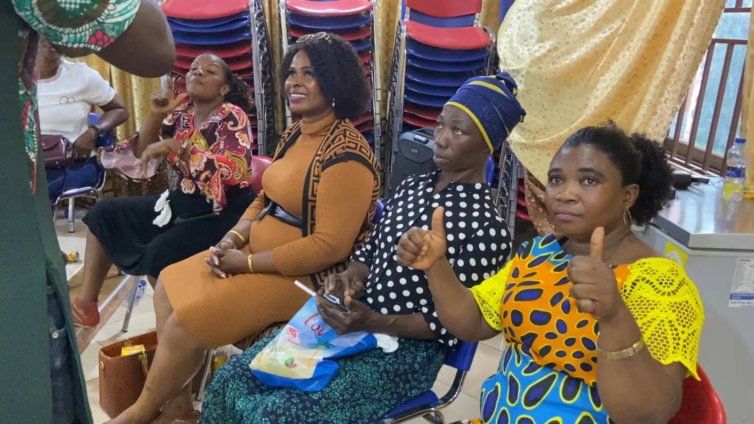

Audio By Carbonatix
According to the 2021 Population and Housing Census, 470,737 people in Ghana, have some degree of hearing loss.
Out of this, over 211,000 are deaf and hard of hearing, relying on a number of sign languages, with Ghanaian Sign Language (GhSL) as the primary mode of communication.
How critical it is to be able to communicate outside of their group, is an enduring setback hindering their socialization efforts.
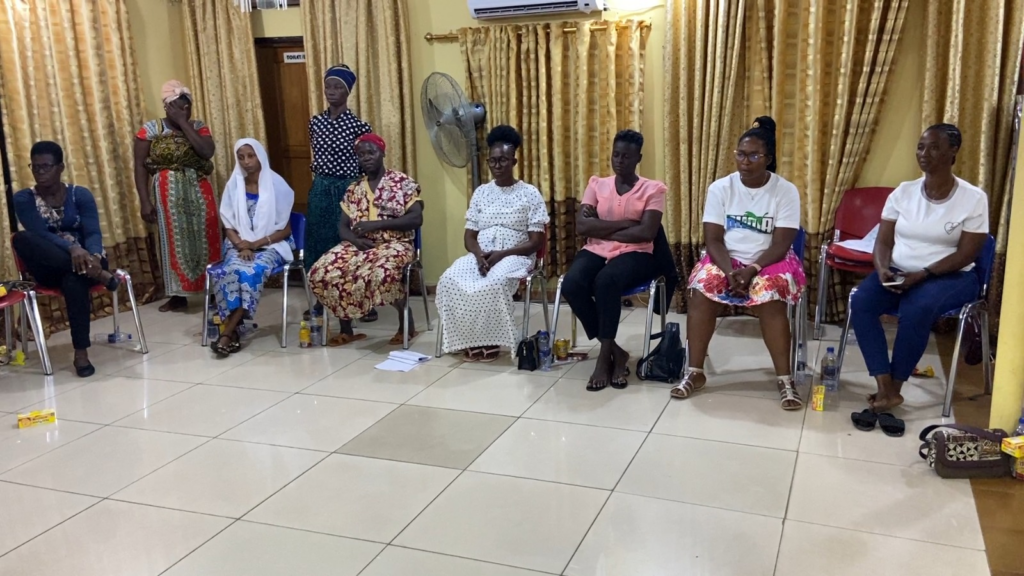
Holding substantial portfolios in Ghanaian society is a notable neglect faced by the majority of persons with hearing impairment.
The National President of the women’s wing of the Ghana National Association of the Deaf, Salamatu Ibrahim, says the language barrier is accounting for this, criticising the media for relenting on efforts to mitigate it.
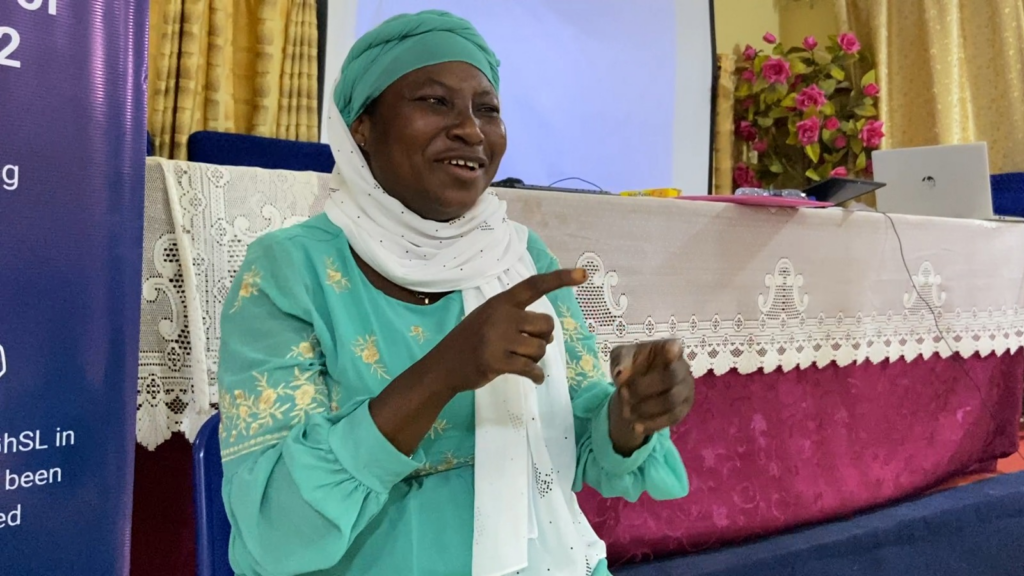
She says the group is able when given the support.
“Sign language is our medium of communication, which we need maximum support with. And there are so many things that I appear on television and radio but because we are deaf people we hardly get the message,” she said.
The Ghana National Association of the Deaf has recognised lack of communication skills, confidence and leadership skills as further obstructing many women in the group from taking essential roles in society.
Twenty of such women across the country have undergone a three-day training to maximise the use of their soft skills.
Programs Manager for the Ghana National Association of the Deaf, Seidu Musah, says increased training, recognition and promotion of Ghanaian Sign Language 2 will lead to full realization of their linguistic and human rights.

“Though the societal structures are weak. The major thing they need to contest or develop themselves is sign language interpreters. Since we may be facing setbacks."
“This program has been designed to equip them to be able to take positions in the GNAD leadership structure and also outside when need be,” he said.
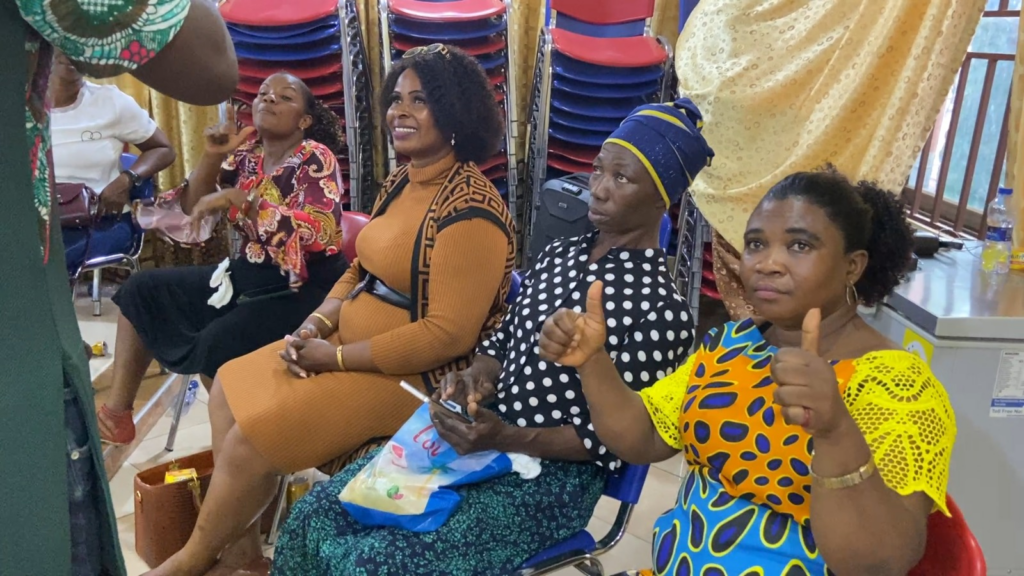
Lead facilitator, Emmanuel Sackey, says the training will help beneficiaries take positions in the mother organization of GNAD, and effectively perform their duties.
Hopefully, such training programs will endear persons with hearing impairment like Mabel to aspire to leadership positions.
Latest Stories
-
What is wrong with us?: A quiet truth we can no longer ignore
3 minutes -
What is wrong with us? : When sirens become symbols of power rather than protection and emergencies
22 minutes -
Businesses scramble to get noticed by AI search
44 minutes -
From perk to performance: Why employee wellness must be a core business strategy
58 minutes -
Bank of Ghana’s $1.3bn profit from gold sale could help narrow 2025 losses
1 hour -
Odau Twafohene Baffour Osei Afrifa appointed Regent of Akyem Chia
1 hour -
We are focused on engineering low interest rate regime – BoG Governor assures
1 hour -
How Sporting hero Gyokeres could end European run
1 hour -
The attack on Ghanaian traders in Burkina Faso and the blame game: Why Hybrid Security Governance Holds the Key (II)
1 hour -
Bayern face waiting game on ‘very special’ Kane
1 hour -
The Problem with Nutrition Advice on Social Media – Lessons from a study among University Students
2 hours -
Arteta calls for perspective as Arsenal look to avoid slump
2 hours -
Kasoa Old Market traders given final eviction notice ahead of redevelopment
2 hours -
GH¢15 sachet water price is a ceiling, not fixed – Producers clarify
2 hours -
Morocco reports 7% rise in first-quarter tourist arrivals
2 hours