

Audio By Carbonatix
September is Prostate Cancer Awareness Month. Raising awareness about the link between nutrition and prostate cancer risk is crucial for prevention and early intervention.
The prostate is a small gland that plays a crucial role in the male reproductive system, located just below the bladder. As men age, the risk of developing prostate-related issues such as benign prostatic hyperplasia (BPH), prostatitis, or prostate cancer increases.
In Ghana and across West Africa, these conditions are becoming more prevalent due to various factors, including obesity, changes in diet and lifestyle.
A study among men in Ghana found that overall obesity and abdominal obesity were positively associated with prostate cancer risk among men in Ghana.
Understanding how nutrition impacts prostate health is essential for men in Ghana and beyond, seeking to maintain their well-being.
Nutritional Factors Affecting Prostate Health
Antioxidants and Phytochemicals: Antioxidants nutrients such as lycopene, selenium, and vitamin E play special roles in enhancing prostate health.
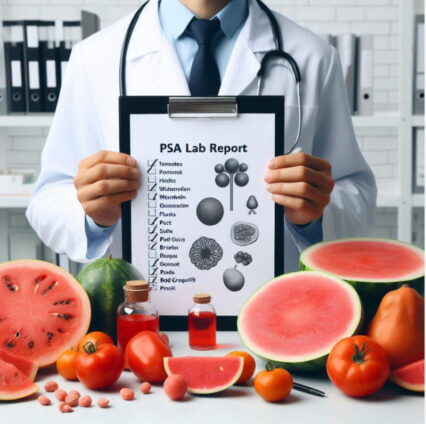
Lycopene is a powerful antioxidant found in tomatoes and other red fruits like watermelon, pink flesh of guava, and red cabbage. Research has shown that diets rich in lycopene can help reduce the risk of prostate cancer. In Ghana now, fresh tomatoes are abundant and widely used in various dishes such as stews and soups.
Incorporating more tomatoes into daily meals is an easy and effective way to boost prostate health. Selenium is a trace mineral that acts as an antioxidant and is important for immune function.
It has been linked to a reduced risk of prostate cancer. Selenium can be found in lean meats and poultry, mushrooms, eggs and seafood. Vitamin E is another antioxidant that helps protect cells from damage.
Foods rich in Vitamin E include red palm oil, nuts, and seeds. Including these foods in moderate amounts can contribute to better prostate health.
Omega-3 Fatty Acids: Omega-3 fatty acids are essential fats that have anti-inflammatory properties and are beneficial for overall health, including prostate health. Omega-3s help reduce inflammation in the body, which is linked to various chronic diseases, including prostate problems.
Incorporating omega-3-rich foods into your diet can support prostate health and overall well-being. Sources include fatty fish like mackerel (typically called salmon in Ghana) and sardines, which are plentiful in West African coastal regions. Including these in your meals can be beneficial.
Zinc: The prostate gland contains high concentrations of zinc, which plays a role in regulating prostate function and supporting the immune system. Studies suggest that adequate zinc intake may lower the risk of prostate enlargement and other issues.
Zinc-rich foods include shellfish, especially oysters, as well as meats, legumes, and seeds. Ensuring a diet that includes these foods can help maintain healthy zinc levels.
Fibre: High-fibre diets help regulate hormone levels, which is crucial for maintaining prostate health. Fruits and vegetables like okro, garden eggs, and green leafy vegetables, common in West African diets, provide essential fibre.
Cruciferous Vegetables: Vegetables such as cabbage, broccoli and cauliflower are rich in sulforaphane, a compound that has been shown to have protective effects against prostate cancer. Including these in your meals can be beneficial.
Foods to Limit or Avoid for Prostate Health
Red and Processed Meats: Diets high in red and processed meats, such as beef, pork, and sausages, have been associated with an increased risk of prostate cancer.
Reducing the intake of these meats and opting for leaner protein sources like chicken, fish, or plant-based proteins, (such as beans of all sizes and colours and other legumes) can help mitigate this risk.
Dairy: Research has shown a potential link between the consumption of dairy products, particularly milk, and an increased risk of prostate cancer, the exact mechanisms however remain unclear.
Further research is needed to fully understand the relationship and to identify potential dietary recommendations for reducing prostate cancer risk. Men who are at higher risk of prostate cancer development may consider eliminating or reducing the consumption of milk or milk products, especially those with high fat content. Alternatively, choosing low-fat dairy or plant-based alternatives like soy or coconut milk may be beneficial.
Excessive Alcohol, High Fat, and Sugary Foods: High consumption of alcohol, high fat, and sugary foods can lead to increased inflammation and hormonal imbalances, both of which are linked to prostate issues. Limiting these foods and drinks, which are often consumed during social gatherings, can help protect your prostate.
Lifestyle Tips for Prostate Health
Regular physical activity helps maintain a healthy weight and hormone balance, reducing the risk of prostate issues. Engaging regularly in activities like walking, running etc can be enjoyable ways to stay active. Incorporating both aerobic exercises and strength training can provide comprehensive health benefits, including improved prostate health.
Staying hydrated is crucial for maintaining urinary health, which directly impacts the prostate. In Ghana’s hot climate, ensuring adequate water intake is essential.
Prostate health can be significantly improved with early detection of issues. Regular check-ups with your doctor, including PSA tests, are important for monitoring prostate health. Discussing your diet, lifestyle, and any concerns with a dietitian or healthcare provider can help tailor recommendations to your specific needs.
In Summary
Maintaining prostate health is vital for overall well-being, especially as men age. By adopting a diet rich in antioxidants, omega-3 fatty acids, zinc, and fibre, and by avoiding foods that negatively impact prostate health, men can significantly reduce their risk of prostate-related issues. Coupled with regular physical activity, adequate hydration, and routine medical check-ups, these dietary choices can lead to a healthier, more vibrant life.
References
Hurwitz, L. M., Yeboah, E. D., Biritwum, R. B., Tettey, Y., Adjei, A. A., Mensah, J. E., ... & Cook, M. B. (2020). Overall and abdominal obesity and prostate cancer risk in a West African population: An analysis of the Ghana Prostate Study. International journal of cancer, 147(10), 2669-2676.
Sargsyan, A., & Dubasi, H. B. (2021). Milk consumption and prostate cancer: a systematic review. The World Journal of Men's Health, 39(3), 419.
Written by Laurene Boateng (PhD, RD)
Laurene Boateng (PhD, RD) is a Registered Dietitian and Senior Lecturer in the Department of Dietetics, University of Ghana. She is the founder and editor-in-chief of www.fullproofnutrition.com , a website committed to providing reliable, evidence-based, and practical healthy eating advice.
Latest Stories
-
Former Effia MP demands full disclosure of Truedare AI deal, warns of ‘hidden risks’
22 minutes -
Joseph Cudjoe raises alarm over potential revenue loss in Truedare AI Customs deal
23 minutes -
Video: Awoshie-Anyaa Highway: Years of fatal crashes caused by faulty traffic lights
28 minutes -
No financial transactions with Ghana Card yet, says NIA
34 minutes -
Former Netherlands Fire Chief engages GNFS Tema Command on capacity building
34 minutes -
Finance Ministry defends Publican AI rollout amid stakeholder concerns
37 minutes -
Police arrest 5 in Asankrangwa robbery; cash and guns retrieved
38 minutes -
Why I joined NPP – Jeneral Ntatia
39 minutes -
Three UDS students remanded over alleged armed robbery
42 minutes -
Kudus Mohammed at risk of missing World Cup 2026 after fresh injury blow
45 minutes -
Minority urges cocoa farmers to resist pressure from galamseyers
46 minutes -
President Mahama applauds astronaut Christina Koch’s Ghana ties in Artemis II mission
48 minutes -
Ex-wife of Richard Nii Armah Quaye moves to Court of Appeal
49 minutes -
Insecurity: US orders non-emergency staff to leave embassy in Nigeria
50 minutes -
ASFC 2026: Ghana U15 girls set up Burkina Faso final after win over Zambia
54 minutes