

Audio By Carbonatix
The Private University Founders Association (PUFA) has lauded the Ministry of Education’s decision to initiate reforms to make charter acquisition optional for private universities.
PUFA described the move as a long-awaited relief that would remove major regulatory bottlenecks in the education sector.
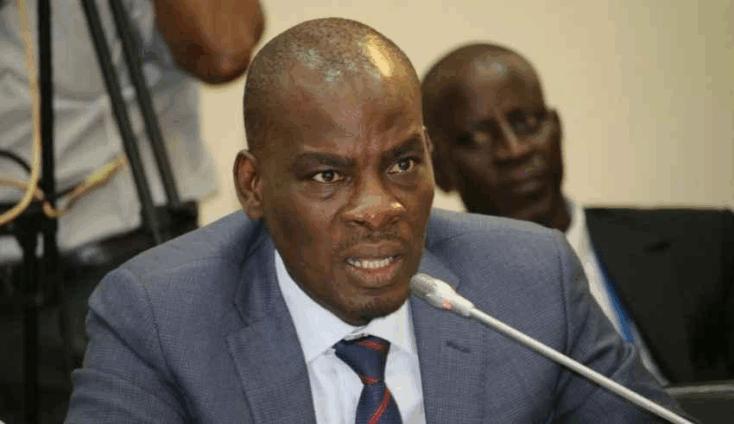
This follows an announcement by Haruna Iddrisu, the Minister for Education, that a Cabinet Memo was being finalised to amend the Education Regulatory Bodies Act, 2020 (Act 1023), to make the chartering process optional for private universities.
PUFA said the proposed reform marked a significant shift in tertiary education policy and opened the door for private universities to innovate, expand access, and improve their contributions to national development.
Dr. Martin K. Gyambrah, Executive Secretary of PUFA, said the existing chartering framework had for years placed private institutions at a disadvantage, limiting flexibility in curriculum development, academic partnerships, and overall institutional growth.
“This policy shift resolves a challenge that private universities had endured for far too long. Making charter acquisition optional will give institutions the room to innovate and operate without restrictive bottlenecks,” Dr. Gyambrah stated.
He added that private universities had consistently demonstrated their relevance in expanding access to higher education, and the new direction affirmed government’s recognition of their role in the sector.
PUFA also praised the Ministry’s emphasis on Access, Relevance and Quality (ARQ) and its assurance of strengthened oversight from the Ghana Tertiary Education Commission (GTEC).
The Association acknowledged the support from Parliament’s Select Committee on Education, led by Mr Peter Nortsu-Kotoe, who had strongly backed the call for an optional charter and reiterated the significant financial relief private universities provided to the state.
PUFA said these developments signal a growing alignment between policymakers and private education stakeholders, which was essential for building a responsive and competitive tertiary education system.
The Association stressed its readiness to collaborate with the Ministry of Education, GTEC, Parliament, and other partners to advance reforms to strengthen the sector.
Latest Stories
-
We expect some tax relief if oil prices continue to surge – AGI
54 seconds -
Kwame AI launches ‘Eskwai Pro Bono’ to improve access to free legal aid in Ghana
33 minutes -
Energy Minister: Ghana to phase out imported LPG cylinders
44 minutes -
GES clarifies circular, assures teachers their rights are not restricted
48 minutes -
Manasseh Azure Writes: Ibrahim Mahama’s jet, lecturer’s girlfriend, and conflict of interest
1 hour -
If the NPP have repented, they must advocate with apology, not arrogance
1 hour -
Foreign Affairs Ministry warns Ghanaians against QNET and travel fraud schemes
1 hour -
NDPC chairman stresses anti-corruption as key to effective development planning
1 hour -
Kwadaso MCE urges residents to partner with police in fight against rising crime
1 hour -
GACL–McDan dispute largely political, not purely legal — NPP’s Awal Mohammed
1 hour -
City of Prince George in Canada marks second annual Ghana flag-raising ceremony
2 hours -
KsTU commissions new Creative Arts Complex to boost innovation and skills
3 hours -
ECG, police intensify crackdown on theft and vandalism of electricity installations in Ashanti region
3 hours -
President Mahama awarded an honorary doctorate by South Korea’s Yonsei University
3 hours -
Ghana Embassy in Doha calls on citizens to submit travel details amid flight suspension
3 hours