

Audio By Carbonatix
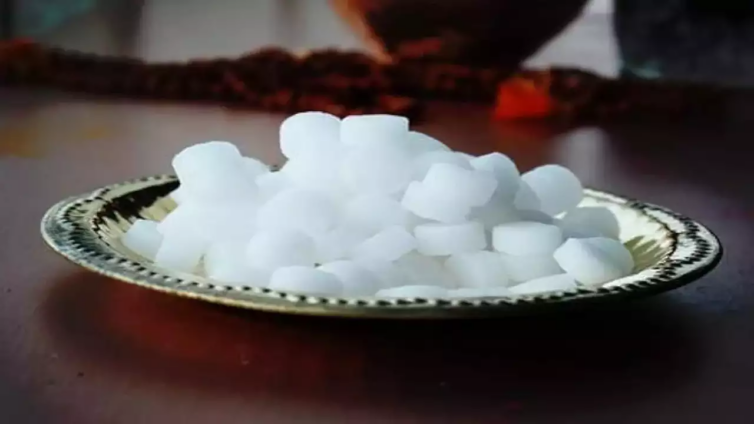
Camphor, popularly known and patronised in some homes is said to be closely related to what is known in some other places as mothballs.
Despite its wide domestic use and exposure, however, the worrying alert coming through is that camphor has as its active ingredient, a dangerous chemical also known as naphthalene.
The bad news is that naphthalene is said to be toxic to humans. It is carcinogenic and active exposure to the chemical can cause the most dreaded disease, cancer. That is a scary alert knowing the decades of exposure one has had with this once-upon-a-time household “wonder”.
Some of us have grown up with camphor in almost every part of the home. Its overuse sees the product in the bathroom and toilets as a form of deodoriser to eliminate unpleasant odours. One sees them used even in some public toilets and urinals.
They come in various shapes, sizes and attractive colours of late. On top of its use in the bathroom and toilets, it has also been used in cupboards, wardrobes and sometimes in certain corners of the home to keep unwanted creatures such as ants and cockroaches away. They are even left in the open, in gutters or thrown down the drain to eliminate creatures such as rats and lizards.
This product is now coming up strongly as a “stay-away from”, having been banned in some countries in the West allegedly due to its toxicity to humans, especially children, and for its carcinogenic properties. Because it contains naphthalene, it is also said to be highly inflammable.
Education
In our country, though some individuals may have had prior knowledge of the toxicity of camphor and may have stayed away from its use knowing the consequences of its continued use, some of us are hearing about the escalated dangers for the first time. Thankfully, with the notion that knowledge is power, one is convinced that education on the product would go far with the recent alert in social media.
The social media postings which also had translations in the Twi language sounding the alert regarding the deadliness of excessive exposure were timely. Though coming a bit late in the day when other countries have already banned its use, the education one gets through the postings is empowering and well-received. It is better late than never, especially when it raises critical health implications.
As one waits for the Food and Drugs Authority (FDA) to formally speak on the issue, we have all been forewarned. The information out there and the warnings shared should be enough caution for one to begin to stay away from camphor use.
Environmental pollution
What perhaps is alarming to note from some related research available is that the public can be exposed to naphthalene primarily through environmental pollution including airborne emissions from industrial sources, open burning, traffic exhaust fumes, especially from old vehicles and shockingly from cigarette smoking.
Even before one got to hear about naphthalene, one knew some of these anti-social practices like open burning and exhaust fumes have been topics of wide media discussions in the past and hopefully under surveillance by the authorities concerned.
However, it is a regrettable observation that as a society, we seem to have taken some of the bylaws regulating those ill practices lightly mainly because there are no strict enforcements. For example, in the Agbogbloshie enclave, it is an open secret that discarded computers, mobile phones and other electrical products and parts are openly burned, poisoning the environment.
The fact that the practice continues shows how much our law enforcers have spurned the effects that open burning continues to have on the inhabitants and those who patronise the area.
The same goes for those who drive vehicles with glaring emissions. Or is it not something the Driver and Vehicle License Authority (DVLA) tests or looks out for? Otherwise, one wonders sometimes how those vehicles qualify for roadworthiness given their harmful air pollution.
With police officers visibly on our roads these days, we should begin to see an end to this sort of environmental pollution in our society since they all add up as dangers to one’s health.
If our regulators should come out to formally ban the use of camphor for health reasons, one only hopes drastic actions would be taken to rid the shelves and punish anyone who sneaks them in.
The seriousness of the health effects of camphor should be trumpeted high for the sake of preserving health. To be forewarned is forearmed.
****
The writer can be contacted via email at vickywirekoandoh@yahoo.com
Latest Stories
-
From perk to performance: Why employee wellness must be a core business strategy
5 minutes -
Bank of Ghana’s $1.3bn profit from gold sale could help narrow 2025 losses
13 minutes -
Odau Twafohene Baffour Osei Afrifa appointed Regent of Akyem Chia
14 minutes -
We are focused on engineering low interest rate regime – BoG Governor assures
17 minutes -
How Sporting hero Gyokeres could end European run
23 minutes -
The attack on Ghanaian traders in Burkina Faso and the blame game: Why Hybrid Security Governance Holds the Key (II)
24 minutes -
Bayern face waiting game on ‘very special’ Kane
33 minutes -
The Problem with Nutrition Advice on Social Media – Lessons from a study among University Students
41 minutes -
Arteta calls for perspective as Arsenal look to avoid slump
49 minutes -
Kasoa Old Market traders given final eviction notice ahead of redevelopment
53 minutes -
GH¢15 sachet water price is a ceiling, not fixed – Producers clarify
57 minutes -
Morocco reports 7% rise in first-quarter tourist arrivals
59 minutes -
Calm returns to Adjen Kotoku Market following onion traders’ clash
60 minutes -
One dead, six in critical condition in Gomoa Fetteh accident
1 hour -
GNFS responds to multi-vehicle crash at Ayi Mensah, urges caution
1 hour