

Audio By Carbonatix
A long lost painting by Rembrandt has been rediscovered and authenticated by experts, after its whereabouts were unknown for decades.
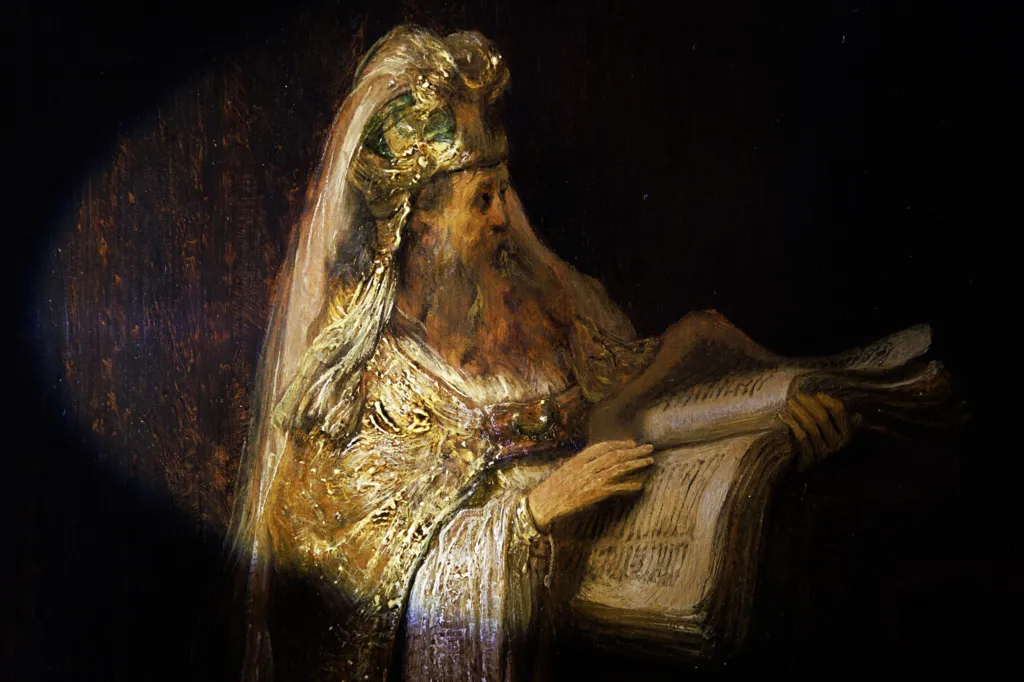
Rembrandt's Vision of Zacharias in the Temple, from 1633,was excluded from a list of the Dutch master's works in 1960, and disappeared after being sold to a private collector the following year.
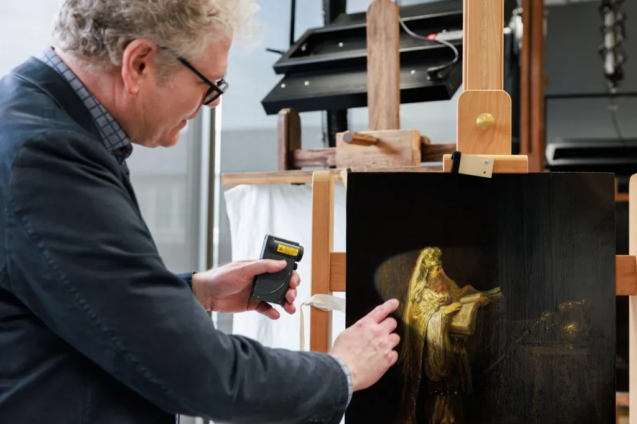
But it resurfaced when its owners presented it for tests at the Rijksmuseum in Amsterdam, which undertook a two-year examination.
"When I saw it in our studio when it was restored, I was immediately struck by the incredible power it has," Rijksmuseum director Taco Dibbits said.
The Rijksmuseum receives many emails from people asking for information about paintings they have inherited or bought, Dibbits said. In this case, they knew it could be something special.
"It came to us via email and one of our curators thought, this is really an interesting image, we've known about the painting for over 100 years but we've never seen it."
The museum confirmed the authenticity after studying the paints, which fit with those used by Rembrandt during that period, and the painting technique and build-up of layers, which are also comparable with his other early works.
'Dedicated his soul to it'
The signature is original and the wooden panel dates from the correct period, the researchers said.
"Materials analysis, stylistic and thematic similarities, alterations made by Rembrandt, and the overall quality of the painting all support the conclusion that this painting is a genuine work," the gallery said.
The painting has all the hallmarks of Rembrandt at the "peak" of the early part of his career, Dibbits said.
"It's very high quality. Sometimes with Rembrandt's portraits you feel that he's producing in quantity, but with this painting you really feel that he dedicated his soul to it."
The museum will put the painting on public view from Wednesday.
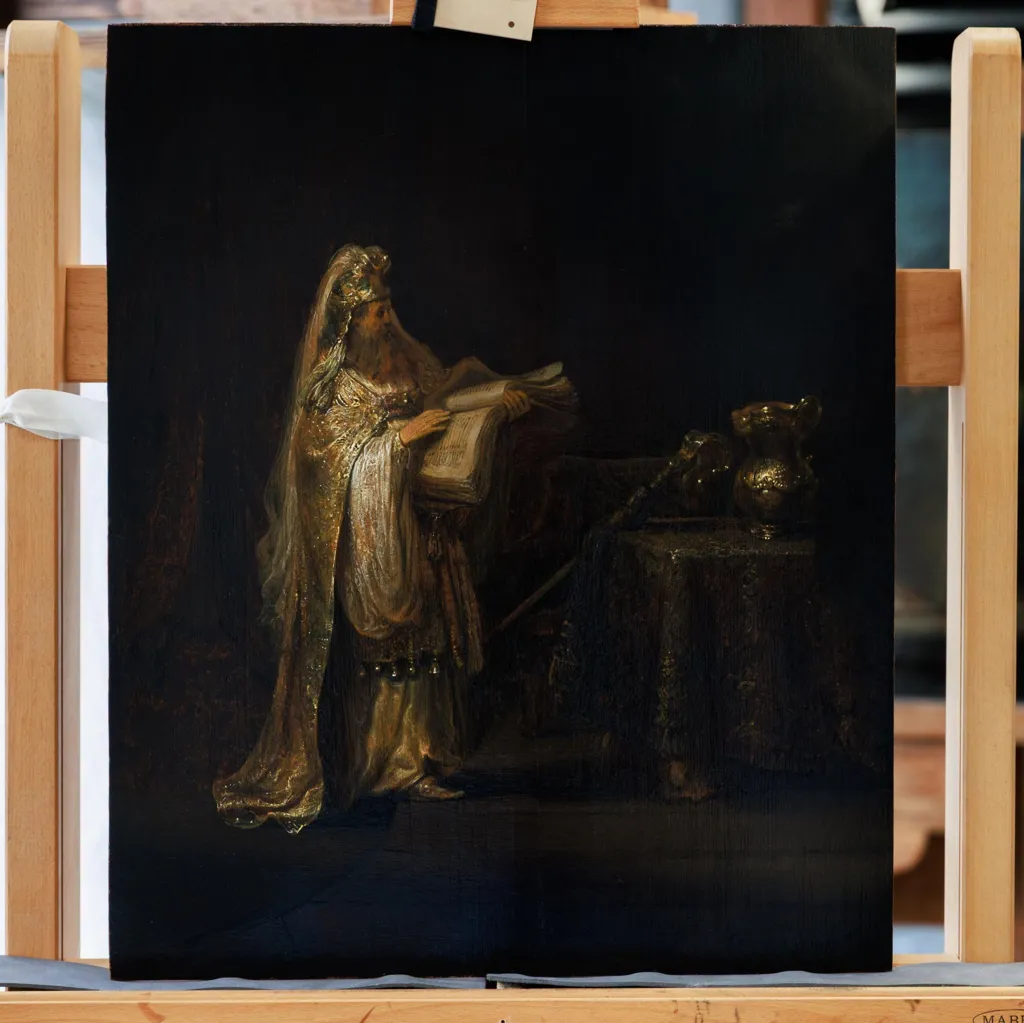
Rembrandt was 27 when he created the painting, which depicts the Biblical scene when high priest Zacharias is told by the Archangel Gabriel that despite their age, he and his wife will have a son, John the Baptist.
The museum said Rembrandt had given the Biblical story an innovative twist. Instead of depicting the Archangel Gabriel visibly, he only suggested his presence. In doing so, he departed from established visual traditions and introduced a new way of representing this subject.
Rembrandt deliberately chose the decisive moment, just before Gabriel reveals his true identity.
It is one of the few history paintings Rembrandt created during this period. At the time, he was primarily producing portraits, which were highly lucrative.
Latest Stories
-
From Golgotha to Kwahu: The Easter Migration of the Faithful and the Faithless
10 minutes -
How the Ghanaian onion traders’ standoff with Nigeria unfolded and threatened local supply
13 minutes -
No compensation for demolished structures on 24-Hour Economy market lands — Gov’t to structure owners
21 minutes -
Financial Institutions must back local enterprises to spur growth – Deputy Minority Whip
43 minutes -
Photos: Gomoa Easter Carnival 2026 ends in a burst of colour and celebration
1 hour -
Gomoa Easter carnival ends in colour as fashion, music and celebrity appearances light up final night
1 hour -
Families pick Luv Fm Family Party to celebrate Easter Monday with music and more
2 hours -
Legal and procurement red flags in Ghana Gas insurance change — IMANI
2 hours -
Kaneshie footbridge rehabilitation to take up to 9 months — AMA
2 hours -
AMA confirms trading will be banned on Kaneshie footbridge after rehabilitation
2 hours -
IMANI flags procurement concerns in state insurance placements
2 hours -
Mahama’s push for visa-free Africa reflects Nkrumah’s Pan-African vision – Rashid Tanko-Computer
2 hours -
Redefining sweetness: Why our celebrations must heal, not harm
2 hours -
IMANI urges Mahama to reaffirm his 2014 directive on competitive state insurance placements
3 hours -
Maiden Katon Praise comes off at Accra Sports Stadium on April 17
3 hours