

Audio By Carbonatix
The year 2025 will go down in Ghana’s economic history as the year the reset truly began.
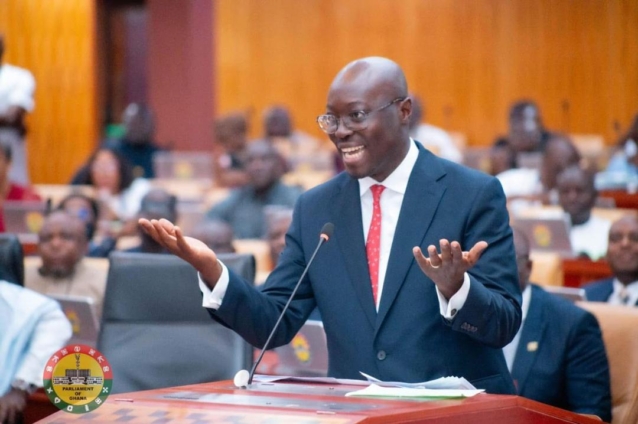
After inheriting an economy weighed down by inflation above 23%, interest rates north of 30%, a sharply depreciating cedi, battered investor confidence, and unsustainable debt dynamics, the Mahama Administration moved with speed and clarity to stabilise the fundamentals and rebuild trust. At the centre of this recovery drive was the Minister for Finance, Dr. Cassiel Ato Forson, backed by a President who provided stellar leadership and unwavering political support.
What follows are the 20 key macroeconomic achievements and reforms implemented in 2025 that together reset Ghana’s economy.
Growth Reignited
1. GDP expanded by 6.1% in the first three quarters of 2025, up from 5.7 percent over the same period in 2024 — the fastest growth since 2019.
2. Non-oil GDP growth surged to 7.5%, reflecting broad-based expansion in the real economy where most jobs are created.
These figures signalled a decisive end to the stagnation of previous years.
Inflation Brought Under Control
3. Headline inflation collapsed from 23.8% in December 2024 to 6.3% by November 2025, the lowest since February 2019.
4. Food inflation fell by 21.2 percentage points to 6.6%.
5. Non-food inflation eased by 14.2 points to 6.1%.
6. Inflation on locally produced items declined to 6.8% from 26.4%.
7. Imported inflation dropped to 5.0% from 18.0%.
For households, this meant restored purchasing power and relief at the market stalls.
Interest Rates Collapse
8. Treasury bill rates plunged from over 30% at end-2024 to about 11% in 2025, cutting government borrowing costs and unlocking credit to the private sector.
9. Cedi Makes History: For the first time in many years, the cedi recorded an annual appreciation against all major currencies:
• 40.7% against the US dollar
• 30.9% against the pound sterling
• 24.0% against the euro
This reversed the painful depreciation of 2024.
External Position Strengthened
10. Trade balance posted a surplus of US$8.5 billion by the end of October 2025, up from US$2.8 billion a year earlier.
11. Current account surplus widened to US$3.8 billion in the first three quarters, from US$0.6 billion in 2024.
12. Gross international reserves rose to US$11.41 billion, covering 4.8 months of imports.
13. Debt Turnaround: Public debt fell from GH¢726.7 billion (61.8% of GDP) in December 2024 to GH¢630.2 billion (45.0% of GDP) by October 2025, one of the sharpest debt reductions in Ghana’s history.
14. Investor Confidence Restored: Fitch, Moody’s and S&P all upgraded Ghana’s credit ratings — the first triple upgrade in years and a powerful endorsement of fiscal credibility.
15. Fiscal Discipline Return: A primary surplus of 1.9% of GDP was achieved by October 2025, tripling the initial target of 0.6%.
Pro-Growth Reforms
16. Major VAT reliefs including the abolition of the COVID-19 Levy, reduction of VAT to 20 percent, restoration of VAT input deductions, raising the VAT threshold to GH¢750,000, and zero-rating textiles to 2028.
17. Strengthened fiscal rules, amending the PFMA to cap debt at 45% of GDP by 2034 and require a minimum 1.5% primary surplus annually.
18. Abolished nuisance taxes such as the Betting Tax, Emission Tax and e-Levy to ease the cost of doing business.
19. Redirected oil revenues, mining royalties and DACF transfers to priority infrastructure under The Big Push and empowered local governments with at least 80 percent direct transfers.
20. Financial Sector Reset: A sweeping reset of the financial system saw:
• Recapitalisation of National Investment Bank with GH¢1.92 billion.
• Total funds under management rising to GH¢85.53 billion.
• GSE Composite Index delivering 27.82% return with volumes up 146%.
• Fixed income trading jumping to GH¢108.23 billion, a 51 percent year-on-year increase.
A Reset, Not a Pause
These 20 achievements are not just statistics; they represent a restored belief in Ghana’s future. They reflect long nights at the Ministry of Finance, hard political choices, and a President and Finance Minister working in lockstep to rescue the economy.
But 2026 is not a time for complacency. It is the year to deepen reforms, sustain discipline, and complete the reset — so that the gains of 2025 become a permanent foundation for growth, jobs and prosperity.
Latest Stories
-
Statement: Ghana Chamber of Mines’ Response to Claims in Joe Jackson’s “Ananse Stories about the Economy of Ghana”
21 seconds -
GES opens 2026 teacher recruitment for licensed B.Ed graduates
3 minutes -
Ghana must value skilled trades, build resilient learners — Ibn Chambas
11 minutes -
Ghana must rethink education around relevance, resilience and responsibility — Ibn Chambas
14 minutes -
Prince Harry faces defamation lawsuit from charity he co-founded
16 minutes -
South Korea deploys thermal cameras to track escaped zoo wolf
17 minutes -
Calls for royal meeting with Epstein survivors grow ahead of US visit
20 minutes -
Ibn Chambas advocates blend of technology and human values in education
22 minutes -
UMA improves healthcare access in Asutifi North with GH₵700k ‘Kim Taylor Legacy’ Walkway
27 minutes -
Scholarships Authority and Fanaka University offer sponsorship for procurement and supply chain studies
30 minutes -
Bisa Kdei drops new single ‘Go N Look’ featuring Medikal
36 minutes -
Benin facing rising terrorism in north as French military presence faces growing criticism
37 minutes -
UEW Public Lecture Series 2026: Education debate ‘about the soul of Ghana’s future’ — Dr Ibn Chambas
38 minutes -
EU fingerprint and photo travel rules come into force from today
1 hour -
Anti-LGBTQ+ Bill: Ghanaians demand expedited passage, not dialogue – Ntim Fordjour to Mahama
1 hour