

Audio By Carbonatix
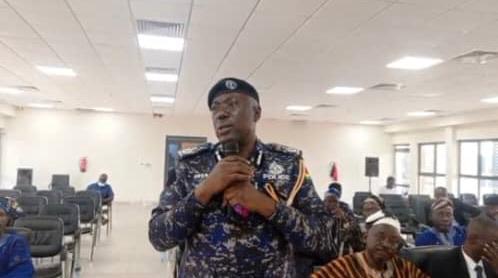
The North East Regional Police Commander, DCOP Shaibu Osei, has pushed back against recent accusations of widespread extortion by police officers in the region, arguing that some residents themselves play a significant role in enabling such misconduct.
Speaking on the sidelines of a stakeholders’ engagement forum organised by the Regional Peace Council, the Commander acknowledged that reports of officers demanding money at checkpoints and during routine patrols had reached the regional command.
He stressed, however, that the issue was more complex than it appeared.
“The issue of extortion or bribery is a two-way matter — it involves both the giver and the receiver,” he said.
“What I have observed in this particular area is that many of our people either drive or ride vehicles and motorbikes with numerous defects. As a result, when they get to a police checkpoint, they either voluntarily offer money to the police or the police may also extort money from them.”
According to him, some residents—eager to avoid legal processes or speed up police procedures—offer money to officers, creating what he described as a cycle of mutual wrongdoing.
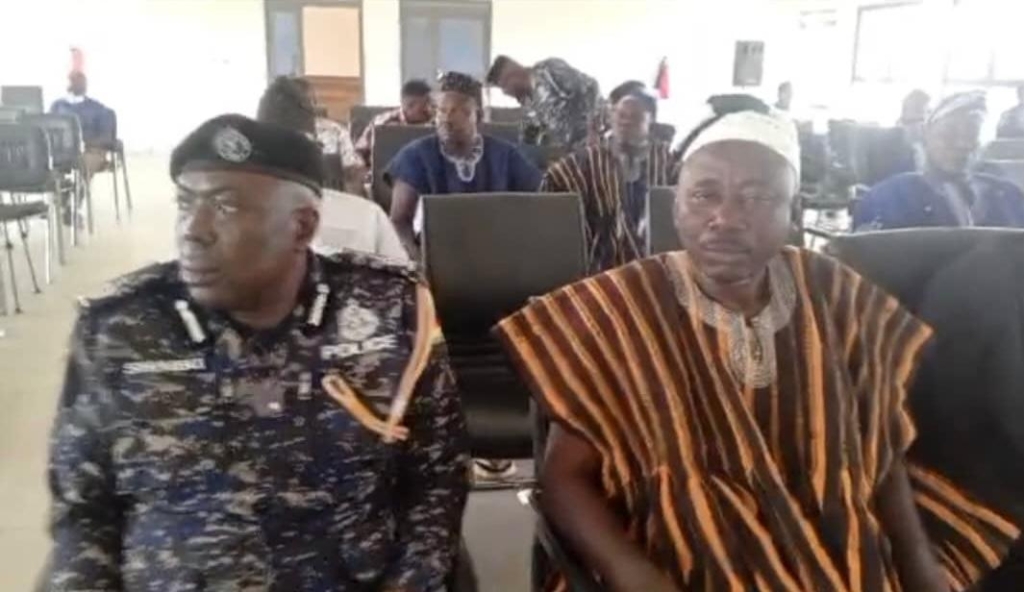
“For example, you will see somebody riding without a helmet, on an unregistered motorbike, or without a licence. So when the police say, ‘I have arrested you,’ such a person will automatically give something to the officer,” he explained.
The Regional Police Command has faced widespread condemnation and indignation from residents after a 45-year-old man was fatally shot following a disagreement with a police officer over the payment of a GH¢10 bribe at a checkpoint near Gbintri on November 5.
The Commander said the Police Administration had already initiated internal inquiries into specific complaints and warned that any officer found culpable would face disciplinary action.
“As much as we have problems at hand, we will continue to sensitise our people and talk to our policemen to behave professionally,” DCOP Shaibu assured.
“It is not proper and it is unacceptable to extort money from commuters—whether motorbike riders or anyone else.”
At the same time, he urged community members to use established reporting channels, including the Police Service’s complaint desks and hotlines, instead of resorting to roadside negotiations.
“I also advise our people to try as much as possible to do the needful,” the Commander said.
“When you get to a police checkpoint, don’t give the policeman money.”
The stakeholders’ engagement held in Nalerigu was a collaborative effort with the Coastal States Stability Mechanism (CSSM) to enhance police–civilian relations in the three border districts—Bunkprugu/Nakpanduri, Chereponi and Yunyoo.
Senior Security Analyst for the CSSM, Stephen Jandow, stated that the objective of the engagement was to strengthen the relationship between the police and local communities, as well as increase the presence of security institutions in priority districts.
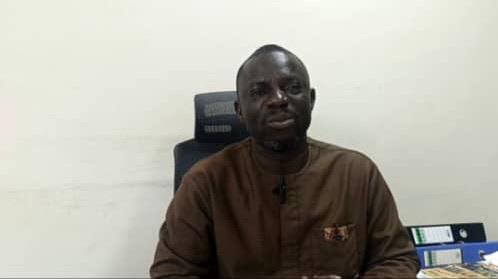
“That’s why we are supporting the police by providing motorbikes in Yunyoo, rehabilitating the police station in Chereponi, and also providing them with body armour and equipment such as ballistic helmets, fragmentation jackets, night- and day-vision binoculars, and others,” he said.
Acting Regional Secretary of the Peace Council, Ibrahim Haruna, highlighted the impact of conflicts on the region’s development and expressed appreciation to the CSSM project for supporting government efforts to address the root causes of instability.
“Through this support, we have helped in many conflict situations, and as we speak now, there is peace in those communities,” he said.
“Our contribution has brought peace to several districts, including Chereponi. In the past, anytime you heard Chereponi in the news, it was about conflict and violence. But because we have engaged major stakeholders—such as traditional and religious leaders, youth and women’s groups—the story has changed.”
The engagement was attended by District Chief Executives and other stakeholders from the border areas.
Latest Stories
-
Fire destroys wooden structure near Yesu Mo Villa at Bush Road
14 seconds -
NDC threatens sanctions over oversized campaign posters, gives aspirants 5 days to comply
53 minutes -
Star Oil paid GH¢2.7bn in taxes, levies in nine months of 2026
1 hour -
Samson’s Take: The rule of law is cheaper before the bulldozer
1 hour -
GRA blames system failure for delay in issuing receipt over passenger’s customs duty
1 hour -
Livestream: Newsfile discusses World Cup visa scandal, beach demolitions, education strikes, BRICS bid
2 hours -
NC-PTAs welcomes end of teachers’ strike, urges parents to prepare children for Monday
2 hours -
Government procures over 2,000 transformers as Ghana’s electricity access hits 89.13% – Energy Minister
2 hours -
UTAG-UG threatens strike on October 19 over unpaid allowance
2 hours -
Let The Constitution direct Chieftaincy to deliver “All Development Is Local”
3 hours -
John Jinapor outlines renewable energy, nuclear power priorities for 2027
4 hours -
Ghana explores centre of excellence for hearing, communication and cochlear implant care
5 hours -
Schizophrenia-related disorders lead mental health cases recorded in Ghana
5 hours -
Dutch authorities enlist Ghana in hunt for fugitive drug lord Bolle Jos
6 hours -
Ghana housing finance conference adopts communiqué to improve affordable housing access
10 hours