

Audio By Carbonatix
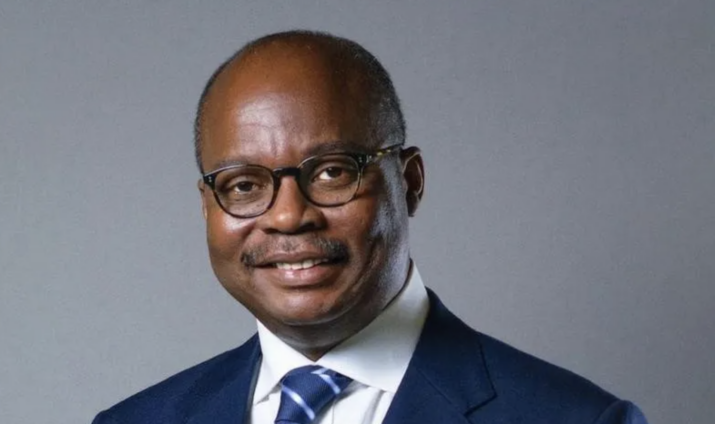
The Governor of the Bank of Ghana (BoG) Dr. Ernest Addison has disclosed that he inherited a challenging banking sector that had the International Monetary Fund (IMF) already recommending strict reforms, including the revocation of the banking licenses of UT Bank and Capital Bank.
The banking licences of the two banks were revoked in August 2017, the same year Dr. Addison assumed office at the central bank.
Speaking at this year’s Governor’s Day dinner organised by the Chartered Institute of Bankers, Dr. Addison said the Bank of Ghana was faced with no option but to take tough measures in revoking the licenses of the banks to protect the financial sector.
“There are a few requirements which the IMF calls the prior actions, you have to do this, you have to do that otherwise they are not even going to organize a board meeting to discuss Ghana and disburse any funds to you”.
He stated that such requirements compelled the Bank of Ghana to undertake the reforms.
“This was one of the prior actions to dissolve UT and Capital Bank. Ghanaians had never seen that in a long period of time. People were shocked when the licences of those two banks were pulled”.
According to Dr. Addison, the measures taken to clean up the financial sector strengthened the banks to withstand external shocks associated with the COVID 19 and the Russian Ukraine war.
Background
In 2017, Dr. Addison blamed the lack of good corporate governance for the collapse of UT and Capital bank.
Speaking at a breakfast meeting at the Banking College, Dr. Addison said good corporate governance is not only essential to minimizing risk but it is also fundamental to improving economic performance.
He said, “Corporate governance plays an important role in promoting a sound financial system, contributing significantly to improving overall performance not only in profits but in credibility.”
Addressing the revocation of the licenses of UT and Capital Bank earlier in the year, he said “the revocation of banking licenses of UT and Capital bank due to significant capital deficiencies, also partly reflected poor corporate governance practices within these institutions.
Latest Stories
-
A source of excellence across generations – Vice President Opoku-Agyemang lauds Mfantsipim
1 hour -
(Photos) Mfantsipim School launches historic 150th anniversary
1 hour -
Knights and Ladies of Marshall group backs Catholic Bishops’ stance on anti-LGBTQ+
2 hours -
Bright Simons writes: All the Filla in the Ibrahim Mahama/E&P – Gold Fields Saga
3 hours -
Monetise Idiocy In Ghana
3 hours -
The Ghanaian prophet and the mysterious death of his scottish wife Charmain Speirs
4 hours -
Nearly 400 sentenced in Nigeria for links to militant Islamists
4 hours -
Ghana’s recovery supported by gold strength despite global oil price pressures – Standard Bank Research
4 hours -
Methodist Church hails Mfantsipim@150; calls for “fresh consecration” to excellence
4 hours -
‘Excellence is our inheritance’ – Nana Sam Brew-Butler hails Mfantsipim’s 150-year reign in leadership
5 hours -
Kwaku Azar writes: A-G vs OSP
5 hours -
Mfantsipim–Adisadel rivalry built excellence, not division – Sam Jonah
5 hours -
Vice President launches Mfantsipim’s 150 years of shaping Ghana’s greatest mind
5 hours -
I assure Otumfuo, Mahama will join him to commission KNUST Teaching Hospital by end of this year – Haruna Iddrisu
6 hours -
Barcelona dominate derby to extend La Liga lead
6 hours