

Audio By Carbonatix
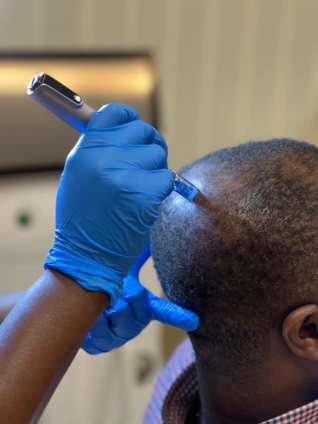
Hair transplantation is steadily gaining popularity in Ghana, as more men and women in Accra seek permanent solutions to hair loss. Once considered a procedure reserved for celebrities or those who could afford medical trips abroad, hair restoration is now becoming a viable and increasingly accessible option locally.
Industry observers note a growing awareness around aesthetic medicine in Ghana, particularly among young professionals and middle-aged individuals experiencing hair thinning, receding hairlines, or bald patches. Social media exposure, improved medical technology, and changing perceptions about cosmetic procedures are all contributing to the trend.
One facility at the forefront of this shift is Anasin Clinic, based in Accra. In an interview, representatives of the clinic confirmed that inquiries about hair transplant procedures have significantly increased over the past few years.
“We’ve seen a noticeable rise in consultations, especially among professionals who want natural-looking, permanent solutions,” a representative from Anasin Clinic said.
“Many people previously thought they had to travel to Turkey or Europe for quality procedures. That perception is changing.”
Why More Ghanaians Are Choosing Local Procedures
For years, countries like Turkey have dominated the hair transplant tourism market. However, medical practitioners in Ghana say patients are now recognizing the benefits of receiving treatment locally.
According to Anasin Clinic, one of the major factors influencing this decision is convenience. Traveling abroad for surgery involves flight costs, accommodation, visa processes, and limited post-procedure follow-ups. Locally, patients have easier access to consultations and aftercare services.
“Aftercare is critical in hair transplantation,” the clinic explained. “When the procedure is done locally, patients can return for routine check-ups without the stress and cost of international travel.”
Cost is another factor
While exact pricing depends on the extent of the procedure and number of grafts required, the clinic notes that undergoing the procedure in Accra can be significantly more cost-effective when overall expenses are considered.
Understanding the Procedure
Hair transplantation typically involves extracting healthy hair follicles from a donor area—often the back of the scalp—and implanting them in areas experiencing hair loss. Modern techniques aim to produce natural growth patterns with minimal scarring.
Medical professionals say advancements in technology have improved precision and reduced recovery time, making the procedure more appealing to individuals who may have previously hesitated.
Anasin Clinic maintains that proper consultation and medical assessment remain key.
“Not everyone is automatically a candidate,” the clinic noted. “We conduct thorough evaluations to ensure suitability and realistic expectations.”
Growing Acceptance of Aesthetic Medicine
The increasing demand for hair transplant services also reflects a broader cultural shift. Cosmetic and aesthetic treatments, once considered taboo in parts of Ghanaian society, are gradually becoming normalized.
Experts suggest that as disposable incomes rise and conversations about self-care expand, procedures such as hair transplantation will likely continue to grow.
For clinics like Anasin, the focus, they say, remains on maintaining professional standards while meeting rising demand.
“Our goal is to provide internationally comparable services right here in Ghana,” the clinic added. “Patients should not feel compelled to leave the country for quality care.”
As Accra’s medical landscape evolves, the rise in hair transplant procedures may signal a new chapter in Ghana’s aesthetic and cosmetic healthcare industry—one increasingly driven by local expertise and confidence.
Latest Stories
-
Prince Harry faces defamation lawsuit from charity he co-founded
1 minute -
South Korea deploys thermal cameras to track escaped zoo wolf
3 minutes -
Calls for royal meeting with Epstein survivors grow ahead of US visit
6 minutes -
Ibn Chambas advocates blend of technology and human values in education
8 minutes -
UMA improves healthcare access in Asutifi North with GH₵700k ‘Kim Taylor Legacy’ Walkway
13 minutes -
Scholarships Authority and Fanaka University offer sponsorship for procurement and supply chain studies
16 minutes -
Bisa Kdei drops new single ‘Go N Look’ featuring Medikal
22 minutes -
Benin facing rising terrorism in north as French military presence faces growing criticism
23 minutes -
UEW Public Lecture Series 2026: Education debate ‘about the soul of Ghana’s future’ — Dr Ibn Chambas
24 minutes -
EU fingerprint and photo travel rules come into force from today
51 minutes -
Anti-LGBTQ+ Bill: Ghanaians demand expedited passage, not dialogue – Ntim Fordjour to Mahama
59 minutes -
EU airline industry warns of fuel shortages if Strait of Hormuz stays closed
1 hour -
White House staff told not to place bets on prediction markets
1 hour -
Auctioneers petition Prez Mahama over ‘interference’ in public auctions
1 hour -
GEA, Mastercard Foundation drive market access for MSMEs at Kwahu Business Forum
1 hour