

Audio By Carbonatix
Residents of Anyako, Konu, and Seva in the Keta Municipality of the Volta Region are set to enjoy reliable access to safe drinking water following the commissioning of a modern water supply system by the Community Water and Sanitation Agency (CWSA).
For more than two decades, the three coastal communities and their surrounding areas have faced persistent water shortages, forcing many households to depend on water sources with high salt content that are unsuitable for drinking and other domestic use.
Health officials in the area say the salty nature of the water has not only posed health risks to residents but has also damaged equipment at health facilities, causing them to rust quickly.
Residents say the situation has compelled them to spend significant amounts of money to obtain water for daily activities such as cooking, bathing and washing.
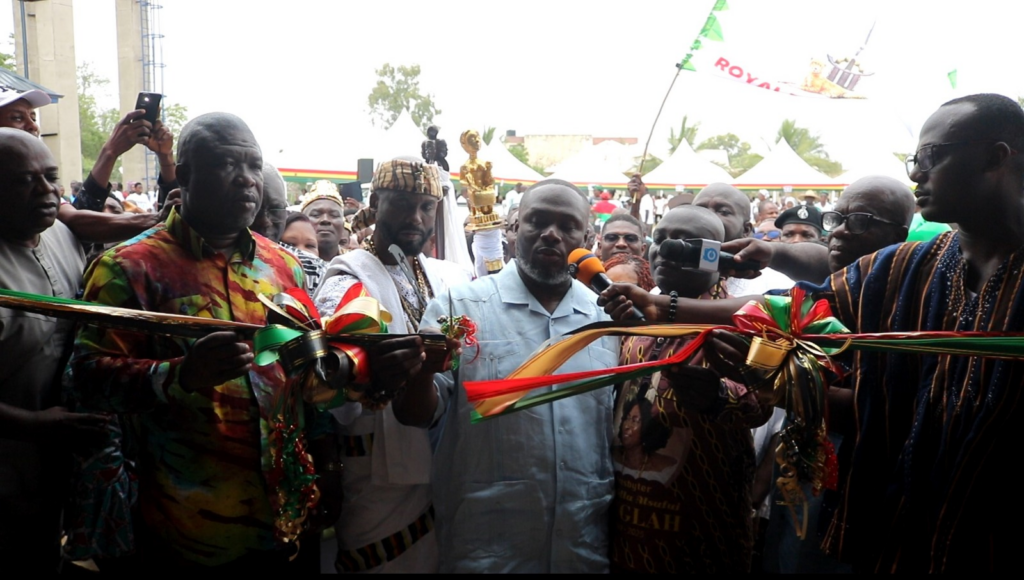
The newly commissioned project is expected to significantly ease the burden by providing a reliable and safe water supply to the beneficiary communities.
Speaking at the commissioning ceremony attended by chiefs, opinion leaders, and residents, the Chief Executive Officer of the Community Water and Sanitation Agency, Vincent Kuagbenu, urged community members to support development initiatives and safeguard public infrastructure.
He indicated that between June and December 2026, every household in Anyako, Konu and Seva is expected to have access to running water through the new system.
The Minister for Works, Housing and Water Resources, Kenneth Gilbert Adjei, described the project as a major intervention that will improve the quality of life of residents.
According to him, the facility represents more than just infrastructure, adding that it symbolises hope, progress and empowerment for the beneficiary communities. He also urged residents to protect the facility and ensure proper maintenance so it can serve future generations.
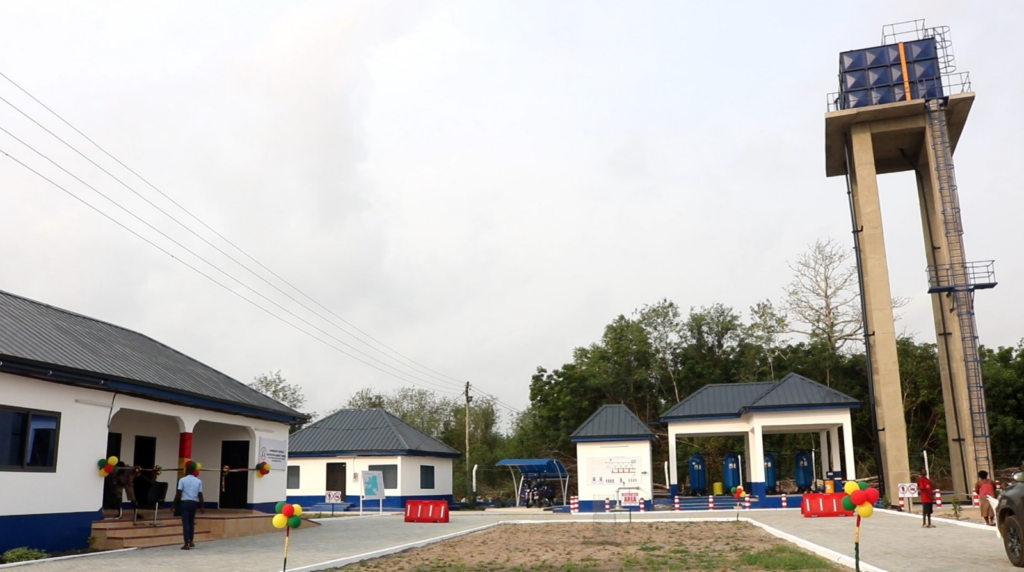
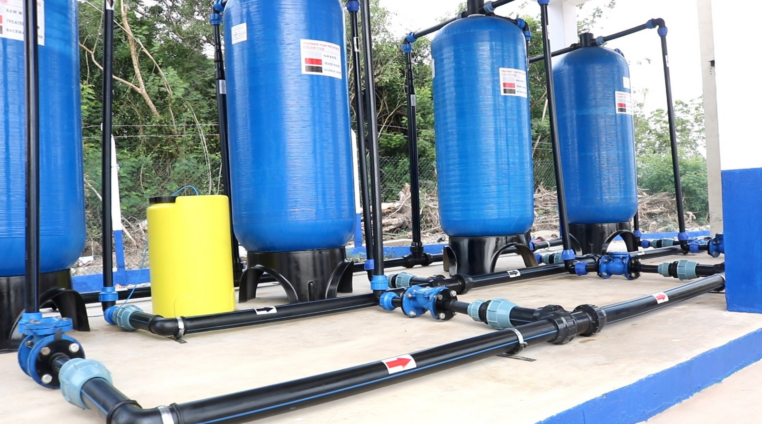
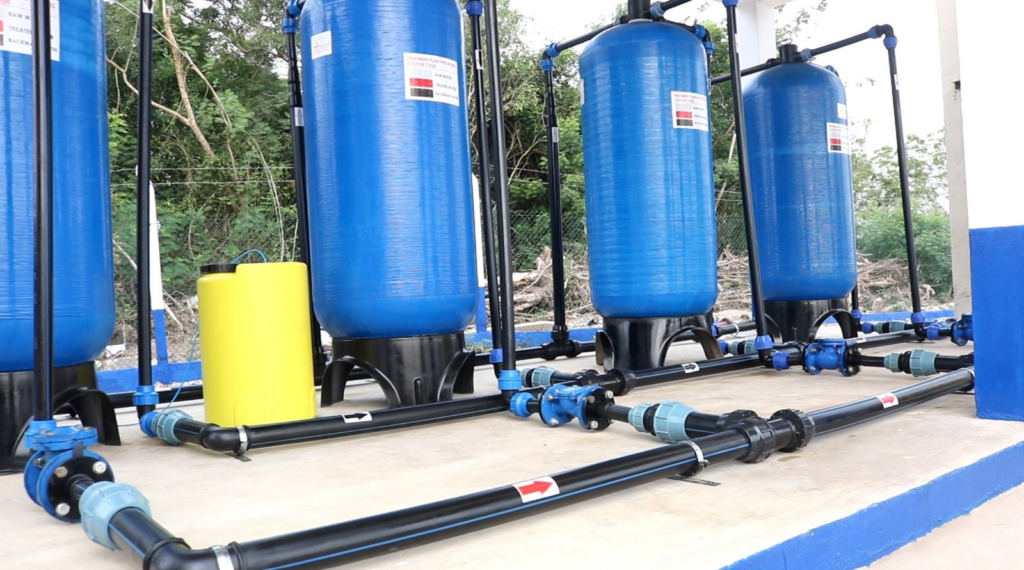
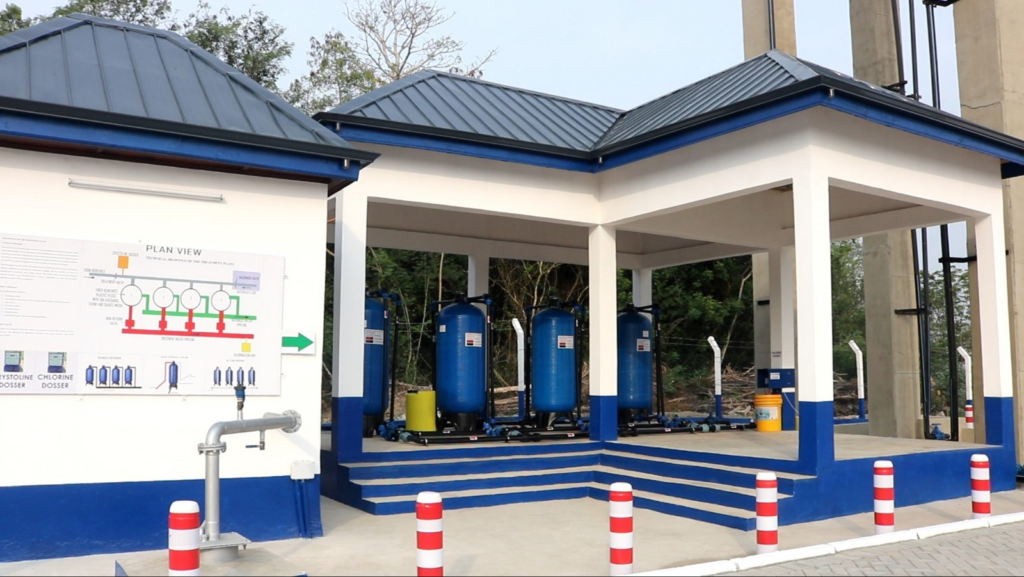
The water supply system features a high-capacity hybrid submersible pump installed in a fully fenced pump house with a well-gravelled yard, as well as a modern water treatment unit.
The project also includes the installation of 3.6 kilometres of transmission pipelines, the rehabilitation of an existing 60 cubic metre concrete reservoir and the addition of a 100 cubic metre fibreglass storage tank.
In addition, a 12.6-kilometre distribution network of varying pipe diameters has been constructed, along with 15 modern standpipes fitted with smart-tap technology to improve water accessibility within the communities.
To ensure a reliable energy supply and reduce operational costs, the system is powered by a 14.8-kilowatt solar hybrid power farm.
Authorities say the project forms part of broader efforts to improve access to safe and sustainable water in rural and coastal communities across the country.
Latest Stories
-
Ghana–China Forum explores zero-tariff trade opportunities
1 minute -
What is wrong with us?: A quiet truth we can no longer ignore
14 minutes -
What is wrong with us? : When sirens become symbols of power rather than protection and emergencies
33 minutes -
Businesses scramble to get noticed by AI search
55 minutes -
From perk to performance: Why employee wellness must be a core business strategy
1 hour -
Bank of Ghana’s $1.3bn profit from gold sale could help narrow 2025 losses
1 hour -
Odau Twafohene Baffour Osei Afrifa appointed Regent of Akyem Chia
1 hour -
We are focused on engineering low interest rate regime – BoG Governor assures
1 hour -
How Sporting hero Gyokeres could end European run
1 hour -
The attack on Ghanaian traders in Burkina Faso and the blame game: Why Hybrid Security Governance Holds the Key (II)
1 hour -
Bayern face waiting game on ‘very special’ Kane
2 hours -
The Problem with Nutrition Advice on Social Media – Lessons from a study among University Students
2 hours -
Arteta calls for perspective as Arsenal look to avoid slump
2 hours -
Kasoa Old Market traders given final eviction notice ahead of redevelopment
2 hours -
GH¢15 sachet water price is a ceiling, not fixed – Producers clarify
2 hours