

Audio By Carbonatix
Sweeping UN economic and military sanctions have been reimposed on Iran - 10 years after they were lifted in a landmark international deal over its nuclear programme.
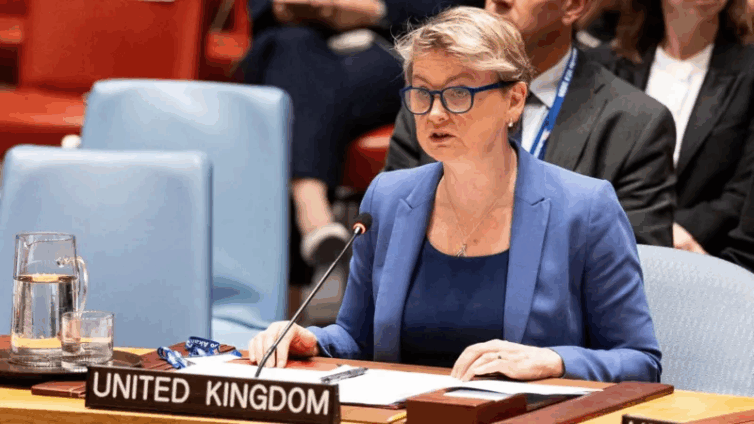
The new measures took effect as the three European partners to the deal - the UK, France and Germany - activated the so-called "snapback" mechanism, accusing Iran of "continued nuclear escalation" and lack of co-operation.
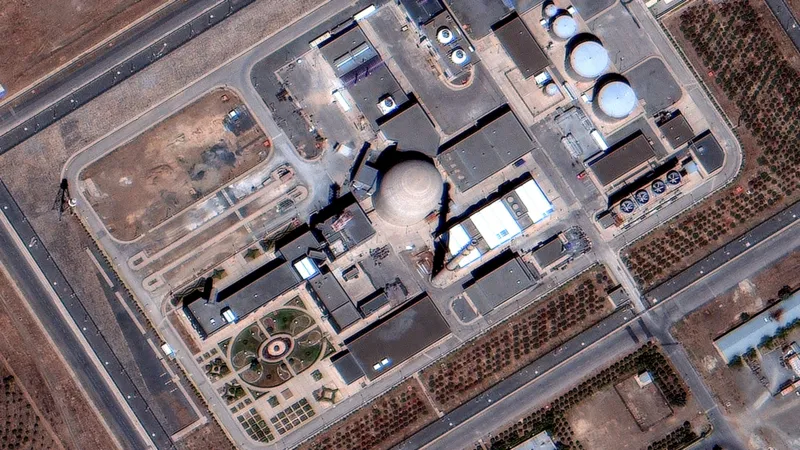
Iran suspended inspections of its nuclear facilities - a legal obligation under the terms of the 2015 deal - after Israel and the US bombed several of its nuclear sites and military bases in June.
Its President Masoud Pezeshkian insisted last week that the country had no intention of developing nuclear weapons.
The reintroduction of sanctions - which Pezeshkian described as "unfair, unjust, and illegal" - is the latest blow to a deal that was heralded as a turning point in Western relations with the long-ostracised Islamist nation when it was first struck.
The Joint Comprehensive Plan of Action (JCPOA) places limits on Iran's nuclear installations, its stockpiles of enriched uranium, and the amount of research and development it can undertake.
It aims to allow Iran to develop its nuclear power infrastructure without straying into making nuclear weaponry.
Iran stepped up its banned nuclear activity after Donald Trump pulled the US out of the agreement during his first term as president in 2016.
He has persistently criticised the deal, negotiated under his predecessor Barack Obama, as flawed, vowing to negotiate better terms.
The US and Israeli bombing of nuclear facilities in June was intended to reverse some of Iran's nuclear progress, as well as punish it for arming regional proxies that have repeatedly attacked Israel.
While Trump said these had caused "monumental damage", others cast doubt on the extent to which they had hindered Iran's nuclear programme.
Iran said the strikes "fundamentally changed the situation" and rendered international support for the nuclear deal "obsolete".
European allies that remain party to the deal still hope negotiations will yield a cooling of tensions.
"We urge Iran to refrain from any escalatory action," they said in a joint statement, adding: "The reimposition of UN sanctions is not the end of diplomacy."
Talks between the three countries and Iran on the sidelines of the UN General Assembly earlier this week failed to produce a deal which would have delayed the sanctions being reimposed.
The foreign ministers of the so-called E3 said they had "no choice" but to trigger the snapback procedure, as Iran had "repeatedly breached" its commitments.
They cited Iran's failure to "take the necessary actions to address our concerns, nor to meet our asks on extension, despite extensive dialogue".
Specifically, they mentioned Tehran's refusal to co-operate with the UN nuclear watchdog, the International Atomic Energy Agency (IAEA).
"Iran has not authorised IAEA inspectors to regain access to Iran's nuclear sites, nor has it produced and transmitted to the IAEA a report accounting for its stockpile of high-enriched uranium," the statement read.
The suspension of IAEA inspections began following the US/Israeli bombings, but the agency confirmed on Friday that they had resumed.
In a statement on Sunday, Iran said it did not recognise the "illegal" and "unjustifiable" sanctions.
Its foreign ministry warned that "any action aimed at undermining the rights and interests of its people will face a firm and appropriate response".
Pezeshkian has softened earlier threats of Iran quitting the Non-Proliferation Treaty altogether - but has warned that a return of sanctions would put negotiations in jeopardy.
He told reporters on Friday that Tehran would need reassurances that its nuclear facilities would not be attacked by Israel in order to normalise its nuclear enrichment programme.
He also rejected a US demand to hand over all of Iran's stockpile of enriched uranium in return for a three-month exemption from sanctions, saying: "Why would we put ourselves in such a trap and have a noose around our neck each month?"
Western powers and the IAEA say they are not convinced by Iran's insistence that its nuclear programme has purely peaceful purposes.
Latest Stories
-
Netherlands Fire Chief in Ghana to support fire safety reforms and market fire prevention efforts
42 minutes -
Mason goes on remand for stealing
45 minutes -
Gov’t cuts fuel taxes, deploys buses to curb impact of rising fuel prices
1 hour -
Interior Minister calls for intelligence-driven strategy as Ghana strengthens counter-terrorism efforts
1 hour -
Adenta Circuit Court remands Pastor William Gyimah over viral threats against Vice President
2 hours -
“We’ve implemented changes to prevent a repeat of the AFCON final” – CAF President Motsepe
2 hours -
Gov’t orders deployment of Metro Mass buses to cushion commuters amid fuel price hike
3 hours -
Key Indian state polls begin in test for Modi’s party
3 hours -
Playback: Gomoa Easter Carnival in photos
3 hours -
Gov’t orders removal of fuel taxes to ease pump price hikes
3 hours -
“Whatever the decision of CAS, we will respect it” – CAF President Motsepe after AFCON final meetings in Morocco
4 hours -
Emma Ankrah: When waiting becomes part of treatment – Reflections on hospital care
4 hours -
Ghana urges travellers to prepare for new EU border system roll-out
4 hours -
Mahama enforces fuel coupon ban for ministers as cabinet moves to slash fuel taxes
4 hours -
Task force probes strange fish deaths in Tema
4 hours