

Audio By Carbonatix
Every month, thousands of girls across Ghana face a silent crisis. Without access to sanitary pads, many are forced to miss school.
Others endure something even more troubling: pressure to exchange sex for pads. This practice, known as ‘sex for pads’, robs girls of their dignity, safety, and future.
The hidden reality
For many families, the cost of sanitary pads is simply unaffordable. In communities where poverty is widespread, girls are left with few options. Some stay home during their periods, falling behind in their studies. Others are forced into transactional sex, a desperate attempt to meet a basic need.
Anonymous testimonies reveal the depth of the problem
“Sometimes we go to our boyfriends for money to buy sanitary pads when our parents don’t get them for us. In return, they ask for sex, and this leads to us losing ourselves,” One girl explained
Her words reflect the painful choices many girls are forced to make, choices that compromise their health, dignity, and future.
Another girl shared that her boyfriend often reminded her he worked hard for his money, using it as a reason to demand sex in exchange for pads. She added that even ordinary male friends sometimes try to exploit their situation, taking advantage of their need.
The girls believe the solution lies in independence. They explained that if they had jobs or their own source of income, they would not have to rely on boyfriends or friends for money. With financial independence, they could buy their own sanitary pads and protect themselves from exploitation."
Impact on Education
Mr Edward Yankey, a teacher at Hotopo Methodist Basic School in the Ahanta West Municipality of the Western Region, has witnessed firsthand the pressures girls face when they can not afford sanitary pads. Teaching in a remote community, he explained that many parents struggle financially and are unable to provide pads for their daughters.

This, he said, is disheartening and directly affects the girls’ punctuality and attendance in school.
He noted that the issue goes beyond absenteeism. Some girls feel too shy to open up to teachers about the demands they face from boys in the community, who exploit their vulnerability during menstruation by asking for sex in exchange for pads.
Because of the trust he has built with his pupils, however, Mr Yankey shared that some confide in him about these painful experiences.
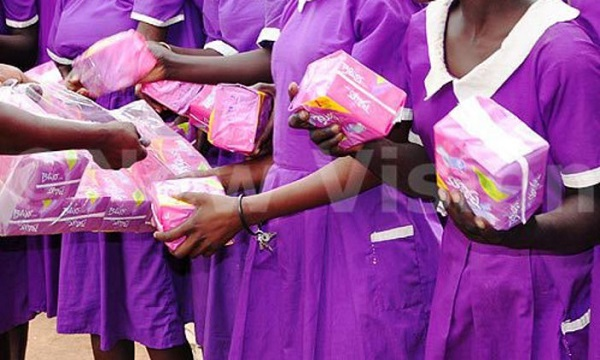
Despite the challenges, he commended the government’s initiative to distribute free sanitary pads, describing it as a timely intervention that can ease the burden on vulnerable girls.
He further recommended that if Non-Governmental Organisations (NGOs) could partner with the government to expand this initiative, it would help curb the practice of sex for pads and ensure that girls in basic schools are protected and able to remain in class.
Government response
On April 24, 2025, President John Dramani Mahama launched a national programme to distribute free sanitary pads to over two million school girls.
This initiative marked a significant step toward addressing menstrual poverty. Beyond distribution, it symbolised dignity, equal opportunity, and a commitment to keeping girls in school.
A call for change
The fight against 'sex for pads' is not just about health. It is about human rights, education, and the future of Ghana’s children. Every girl deserves dignity. Every girl deserves the chance to learn without fear or shame.
Ending menstrual poverty requires collective action: from families, schools, NGOs, and the government. Together, Ghana can ensure that no child is ever forced to trade her body for a pad.
Latest Stories
-
A source of excellence across generations – Vice President Opoku-Agyemang lauds Mfantsipim
47 minutes -
(Photos) Mfantsipim School launches historic 150th anniversary
1 hour -
Knights and Ladies of Marshall group backs Catholic Bishops’ stance on anti-LGBTQ+
2 hours -
Bright Simons writes: All the Filla in the Ibrahim Mahama/E&P – Gold Fields Saga
3 hours -
Monetise Idiocy In Ghana
3 hours -
The Ghanaian prophet and the mysterious death of his scottish wife Charmain Speirs
3 hours -
Nearly 400 sentenced in Nigeria for links to militant Islamists
4 hours -
Ghana’s recovery supported by gold strength despite global oil price pressures – Standard Bank Research
4 hours -
Methodist Church hails Mfantsipim@150; calls for “fresh consecration” to excellence
4 hours -
‘Excellence is our inheritance’ – Nana Sam Brew-Butler hails Mfantsipim’s 150-year reign in leadership
4 hours -
Kwaku Azar writes: A-G vs OSP
4 hours -
Mfantsipim–Adisadel rivalry built excellence, not division – Sam Jonah
5 hours -
Vice President launches Mfantsipim’s 150 years of shaping Ghana’s greatest mind
5 hours -
I assure Otumfuo, Mahama will join him to commission KNUST Teaching Hospital by end of this year – Haruna Iddrisu
6 hours -
Barcelona dominate derby to extend La Liga lead
6 hours