

Audio By Carbonatix
People who use emollient creams to treat dry and itchy skin conditions are being warned they can build up in fabrics and cause them to catch fire more easily.
The medicines regulator says clear warnings on product packaging is needed to alert consumers.
The MHRA says it has heard of more than 50 such deaths reported by UK fire and rescue services.
People should not stop using the creams but be aware of the risk.
Washing clothing and bedding can reduce product build-up but not totally remove it.
It was previously thought the risk occurred with emollients that contained more than 50% paraffins. But evidence now points to a risk with all emollients, including paraffin-free ones.
Fabric that has been in repeated contact with these products burns more easily, meaning users should not smoke or go near naked flames.
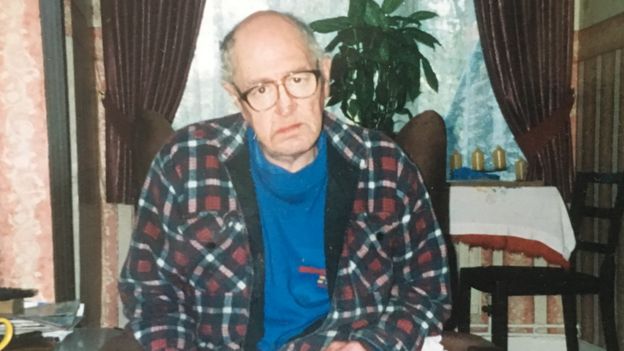
Sparks from Philip Hoe's cigarette reacted with a cream he was covered in
Philip Hoe died after accidentally setting himself on fire at Doncaster Royal Infirmary in 2006, when sparks from a cigarette reacted with the emollient cream he was covered in.
Within seconds, Mr Hoe, who was receiving treatment for psoriasis, was engulfed in flames and he died shortly after being transferred to another hospital, in Sheffield.
June Raine, from the MHRA, said: "We don't want to unduly worry people into not using these products, which offer relief for what can be chronic skin conditions, but it is equally important people are aware of the risks and take steps to mitigate them.
"If you use emollients and have any questions or concerns, we'd recommend speaking to a healthcare professional, such as your pharmacist or GP."
The MHRA has been working with the Commission on Human Medicines, which has come up with recommendations for manufacturers:
- outer packaging and product containers should include a warning about the fire hazard and advice not to smoke, accompanied by short explanatory text and a picture warning in the most prominent field of view
- where available, the patient information leaflet or instructions for use and the summary of product characteristics should be updated to include warnings about the risk and how best to minimise it
John Smith, from the Proprietary Association of Great Britain, said: "Emollient products are an important and effective treatment for chronic and often severe dry skin conditions, such as eczema and psoriasis.
"People should continue to use these products but it is vital they understand the fire risk associated with a build-up of residue on fabric and take steps to mitigate that risk.
"We have been working with MHRA during its review of the evidence to ensure the warning is implemented consistently across industry and to support efforts to raise awareness of this issue."
Latest Stories
-
The Problem with Nutrition Advice on Social Media – Lessons from a study among University Students
4 minutes -
Arteta calls for perspective as Arsenal look to avoid slump
12 minutes -
Kasoa Old Market traders given final eviction notice ahead of redevelopment
16 minutes -
GH¢15 sachet water price is a ceiling, not fixed – Producers clarify
20 minutes -
Morocco reports 7% rise in first-quarter tourist arrivals
22 minutes -
Calm returns to Adjen Kotoku Market following onion traders’ clash
23 minutes -
One dead, six in critical condition in Gomoa Fetteh accident
25 minutes -
GNFS responds to multi-vehicle crash at Ayi Mensah, urges caution
29 minutes -
Kaneshie footbridge closure raises safety concerns as pedestrians demand urgent repairs
32 minutes -
Clock ticks on Trump’s Iran ultimatum with little sign of breakthrough
33 minutes -
Be value creators for national development – KGL boss challenges private sector
40 minutes -
Bishop Asuamah urges hope, peace amid global and local conflicts
43 minutes -
Morocco stopped fewer illegal migration attempts in 2025 as route shifts
43 minutes -
Ahmed Ibrahim climaxes Easter with call for national sacrifice, fervent prayers
45 minutes -
NMC commits to reviving Media Advisory Committees
47 minutes