


Audio By Carbonatix
The second film in Steve McQueen's Small Axe series, “Lovers Rock”, lets black joy unfold largely undisturbed, a rare pleasure when it comes to depictions of black people on screen
There is an ominous moment at the start of the second film in Steve McQueen’s Small Axe series, “Lovers Rock”, that almost feels like an omen from a horror film.
It’s 1980 and two young women, Martha (Amarah-Jae St Aubyn) and Patty (Shaniqua Okwok), are all dressed up and on their way to a house party, giggling as they pass catcalls from boys and find seats on the bus.
Excitement and high expectations for the night ahead cloud the atmosphere, until briefly Martha’s smile fades into a frown.
She’s looking at a giant crucifix that’s being dragged over the shoulder of a man walking down the street, a peculiar sight for a Saturday night. But then again, maybe it’s not that odd. This is London, after all. She shrugs it off.
It’s an easily forgotten moment once they arrive at the party (it's 50p at the door, more for Red Stripe and ackee and saltfish from the kitchen).
A sound system is already blaring out reggae (specifically the titular lovers rock subgenre), dub and disco to a growing crowd of first and second generation immigrants.
Everyone’s dressed to impress, everyone’s in good spirits and McQueen wants you to soak up the atmosphere too.
Rather than showing flickers of the dancefloor between alcohol-fuelled drama, the majority of “Lovers Rock” is spent watching revellers karate kick to Carl Douglas’ “Kung Fu Fighting”, slow dance to Janet Kay’s “Silly Games” and furiously skank to The Revolutionaries’ “Kunta Kinte”.
“Lovers Rock” is the fictional story of a night out – a good one, at that – and its viewers are on the guest list.
It'll probably be a night to remember for some of the party's fictional attendees, but, on paper, the events that unfold throughout “Lovers Rock” are nothing to write home about, or indeed write a film about.
You see its characters getting ready, going home and everything in between, but nothing more. Somehow, that's enough.
A relatively empty plot with extended scenes of people dancing might not sound like the most thrilling prospect, but McQueen builds a party that is so inviting, you'll stick around just in case something exciting happens, like cinematic fomo.
Most characters arrive with little information about them, but their clothes, mannerisms and scarce dialogue is enough to intrigue and help you guess their motives, like the cool group of strangers you invent a backstory for when bored on a night out.
You want to know more, but quickly forget and move on to the next captivating party scene if an explanation isn't offered. You don't really need their backstories. You just need to relax and have a good time.
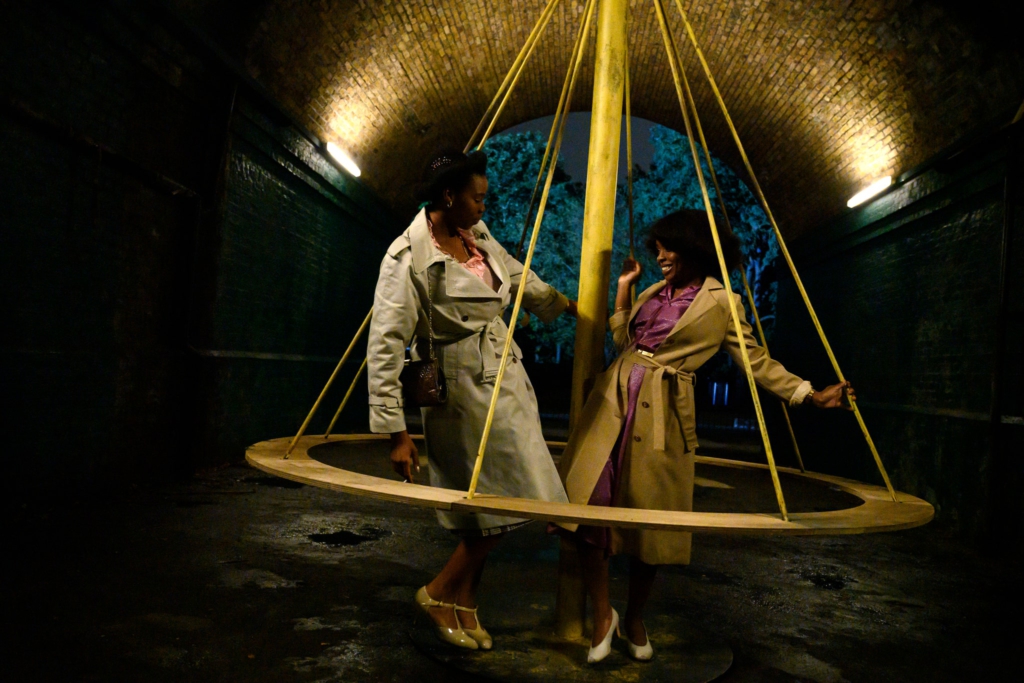
But, for the audience, McQueen makes the relaxing element more difficult. If you watched the first film in the Small Axe series, “Mangrove”, then there’s a chance you’ll sit through “Lovers Rock” expecting something terrible to eventually happen.
In fact, if you’ve ever watched any film with a majority black cast, then you’ll probably also sit waiting for something to go wrong in “Lovers Rock”. So rare are depictions of unadulterated black joy on screen, particularly within a historical context, that we’re trained to expect the worst.
“Police will shut this down at any second,” you think. “Who’s going to swing the first punch?”
McQueen teases this instinct with red herrings and close calls right until the very end of the film.
Sirens cut through the noise repeatedly, but only because the DJ is using a sound sample to help mix tracks together. When Martha briefly leaves the party to find Patty and a group of white men in the street start moving towards her threateningly, you feel sure that this is it, this is the bad thing you’ve been waiting for, but the men soon back off.
There are near fights and even a near rape, but disorder is quickly quelled in each instance. Like at any party, tempers ebb and flow, but the river banks of rage never bursts.
Everybody wants to have a good time, so everybody generally does the right thing.
It’s not that the main characters in “Mangrove” didn’t do the right thing, but it was based on a true story – McQueen's Small Axe series is mostly historical – and society didn’t let them enjoy their existence for long.
Pockets of joy could be found throughout, as people gathered at the titular Mangrove restaurant and danced to steel drums in the street, but there was always a police officer parked around the corner, waiting for an opportune moment to put an end to their fun.
Black joy and goodwill can be a particularly hard pill for racists to swallow and, it seems, they will stamp it out at any chance they get. For a current example, just look at Marcus Rashford.
It’s been less than a month since he was once again celebrated for mobilising the country to provide free school meals to children living in poverty over half term and the Daily Mail is already trying to drag him back down by running stories about how he spends his own money.
Lewis Hamilton has become the best Formula One driver in history and he’s still the target of racist abuse. Peace of mind is a fleeting luxury when you’re black in the UK.
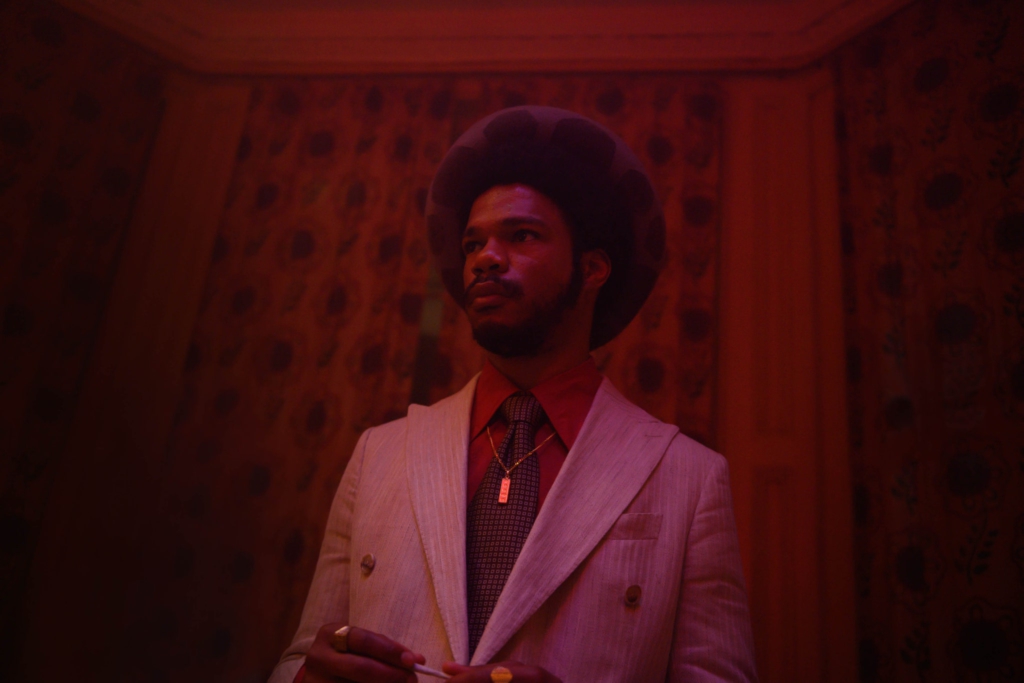
That’s why it’s so rewarding to see black joy prevail in “Lovers Rock”. Its characters aren’t making history, triumphing over adversity or proving themselves to be exceptional to simply be accepted by society.
They’re just existing, carving out a special space to enjoy their lives, as so many black people did and still do. At the centre of “Lovers Rock” is a dancefloor romance between Martha and a man she meets at the party, Franklyn (Michael Ward), but their flirtatious glances, banter and kisses are not what warms your heart as the film comes to a close.
As the dancefloor crescendos, party guests part ways and Martha and Franklyn find somewhere to be alone, it’s the realisation that, actually, nothing terrible is going to happen in this film that makes you feel warm inside.
Watching black joy on screen, undisturbed by the world’s harsh realities, is a tonic after a year of racial turmoil.
And then the man with the crucifix returns, this time as Martha boards a bus and begins to make her way home in the early hours of the morning.
He looks much less like an extra from The Exorcist in daylight. Good omens, it turns out, do exist.
Latest Stories
-
Staff of DBG give back to communities
11 minutes -
CAF condemns “unacceptable behaviour” at AFCON final, opens review for disciplinary action
12 minutes -
Shatta Wale sues Blakk Rasta for GHS 100 Million over ‘King of Fraud’ allegations
17 minutes -
Galamsey Threat: Adomako-Mensah calls for 24-hour security at Bui Power Plant
28 minutes -
Afigya Kwabre North MP admits politicians failing in fight against galamsey
31 minutes -
DCE appeals for completion of Agenda 111 hospital in Asutifi North
35 minutes -
I don’t care who wins NPP primaries; may the best candidate emerge – Kofi Amoabeng
39 minutes -
Lower Manya Krobo MP rewards constituents for outstanding contributions to Kroboland development
41 minutes -
Elixir or Placebo? Microeconomics as the litmus test for Ghana’s Macroeconomic Recovery
45 minutes -
I won’t celebrate Ken Ofori-Atta’s troubles – Kofi Amoabeng
54 minutes -
GPRTU announces a crackdown over illegal fare increases
57 minutes -
COPEC urges NPA to scrap fuel price floors to ease costs for consumers
1 hour -
“Underestimate Dr Adutwum at your own risk” — Adutwum camp fires back at Bryan Achampong video
2 hours -
The role of curriculum in transmitting societal values: Why NaCCA must be resourced and empowered
2 hours -
Avance Media unveils first-ever top 100 Ghanaians powerlist for 2025
2 hours