

Audio By Carbonatix
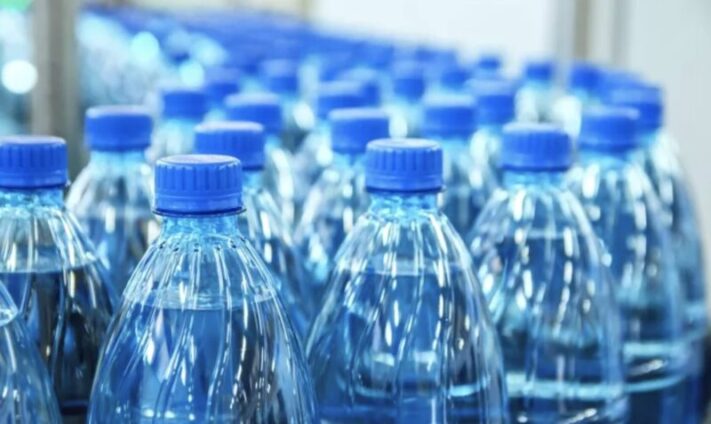
A widespread reliance on bottled water is posing significant threats to both human health and the environment, with an estimated 1 million bottles bought every minute worldwide.
This alarming figure is expected to increase as demand continues to grow, warn health experts in a new commentary published in BMJ Global Health.
While around 2 billion people worldwide rely on bottled water due to limited access to safe drinking water, for the majority, its use is a matter of convenience, according to researchers from Weill Cornell Medicine in Qatar.
This trend has been fueled by marketing campaigns that promote bottled water as being safer and healthier than tap water—claims the researchers say are misleading.
Indeed, up to two-thirds of bottled water in the U.S. is simply repackaged tap water, the authors noted, and recent studies have found cancer causing-chemicals in bottled water in the San Francisco Bay Area.
“The widespread use of bottled water contributes significantly to pollution; it exposes people to potentially harmful contaminants and also contributes to greenhouse gas emissions,” lead author Amit Abraham told Newsweek.
Harmful chemicals from plastic bottles, such as bisphenol A (BPA) and phthalates, can leach into the water, the researchers said, especially when bottles are exposed to sunlight or high temperatures for extended periods. Studies have found contaminants, including microplastics, in up to 78 percent of bottled-water samples.
Microplastic contamination has been associated with a range of health issues, including oxidative stress, immune system disruption, and changes in blood fat levels. Exposure to BPA, a chemical commonly found in plastics, has been linked to long-term health risks such as high blood pressure, cardiovascular disease, diabetes and obesity.
“While there are short-term safety thresholds, the long-term effects of these contaminants remain largely unknown,” the authors wrote, adding that microplastics can also enter the food chain through bottled water consumption.
In addition to health risks, the environmental toll of bottled water is immense. Plastic bottles account for 12 percent of ocean plastic pollution, making them the second most common plastic waste item found in the sea.
Only 9 percent of these bottles are recycled, with most ending up in landfills, incinerators or being shipped to low- and middle-income countries, raising ethical concerns about global waste management and social justice.
“It tends to be lower-income communities that bear the brunt of plastic waste and pollution, and in general, the consumption of these plastic water bottles comes from more affluent sections of society,” Abraham said. “So often the people who are contributing to the problem do not necessarily suffer the most from the impacts of that problem.”
Even the process of making the bottles is damaging, with raw material extraction and manufacturing significantly contributing to greenhouse gas emissions. Water itself is needed too—between 17 and 35 liters for each bottle.
Efforts to reduce bottled water use have been implemented in some areas, including initiatives to increase access to drinking water in public spaces and limit single-use plastics. However, the researchers argue that much more needs to be done to curb reliance on bottled water.
They call for robust government interventions and educational campaigns to shift public perception.
Abraham added, “The onus should be on governments and regulatory bodies to rethink their policies.”
The authors urge governments, particularly in low- and middle-income countries, to invest in safe and reliable tap water infrastructure to address the root cause of bottled water dependency.
“By prioritizing tap water consumption, we can collectively address the multifaceted challenges posed by [bottled water] and embrace tap water as a cornerstone of environmental responsibility and public health,” the researchers suggested.
As a piece of advice for consumers who keep emergency water supplies in their homes, such as those facing the oncoming hurricane on the Gulf Coast, Abraham recommends replacing water regularly to avoid leaching of harmful chemicals into the water. Alternatively, non-plastic containers could be used.
Latest Stories
-
KGL to honour 2025 Corporate Income Tax obligations with GHC150m April payment
4 minutes -
KiDi, Kuami Eugene, Adina, others billed for Okyeame Kwame’s 50th birthday celebration
8 minutes -
Akwapim-Akropong Chieftaincy Clash: One dead after Police shoot-out
9 minutes -
Israel and Hezbollah continue strikes as US-Iran ceasefire faces collapse over Lebanon
11 minutes -
Asanko Gold supports road rehabilitation to ease transport challenges in Amansie West
12 minutes -
Drone strike hits wedding celebration in Sudan, killing at least 30 people
21 minutes -
UEW Public Lecture Series 2026: We’re preparing children for a past that no longer exists — Dr Ibn Chambas warns
27 minutes -
AMA to begin night enforcement against unscreened food vendors
29 minutes -
Nkawie Circuit Court remands 30-year-old mason over Mpasatia shop break-in
31 minutes -
Fintechs’ collaboration no longer optional – MMFL CFO
32 minutes -
KMA to prohibit other assemblies from accessing Oti landfill site over looming sanitation crisis
34 minutes -
GTA supported A Plus’ Gomoa Easter Carnival – Abeiku Aggrey
35 minutes -
GRA to tighten controls on importation of right-hand drive vehicles
53 minutes -
You can’t leave a bigger legacy than Petroleum Hub project – Western Regional Chiefs tell President Mahama
54 minutes -
Lawra MP cuts sod for GH₵11m multipurpose dining hall construction at Birifoh SHS
56 minutes