

Audio By Carbonatix
Ghana is not an exception to the grave concern that child sexual abuse is still a global problem. Both boys and girls are at risk, but because of cultural expectations of masculinity, boys frequently endure their suffering in silence and are reluctant to speak out about it. Recent reports have brought to light the alarming prevalence of sexual abuse of boys in Ghanaian secondary schools.
Kwame (a pseudonym), a student at a reputable boys’ school, bravely shared his harrowing experience of near sexual abuse by a teacher who invited him for “counselling” late at night. Despite his fear, Kwame complied but was subjected to inappropriate advances. He managed to escape, but the trauma left him fearful and absent from school for weeks. Like Kwame, many boys do not report abuse, fearing disbelief and further victimisation.
Cultural stereotypes that present boys as tough and resilient frequently contribute to the silence surrounding these abuses by discouraging boys from speaking out. However, sexual abuse has serious and long-lasting effects. Emotional distress, such as anxiety, depression, and low self-esteem, is common among victims. Additionally, prevalent are physical harm, STDs, and social stigmatisation. Some boys even quit school to avoid being shunned by their peers or subjected to constant abuse.
Comprehensive measures are desperately needed to address this crisis. All levels of schools must implement appropriate sexuality education to equip students with the skills necessary to recognise and oppose abuse. Regular workshops on sexual harassment should be held, and peer counsellors should receive training on how to raise awareness among their peers.
It's crucial to establish secure, confidential reporting channels to protect victims from discrimination and reprisals. Clear zero-tolerance messages must be prominently displayed in schools, and teachers must receive regular training on policies against sexual abuse. Additionally, offenders must face appropriate sanctions and comprehensive investigations, without being shielded or transferred.
Parents, society at large, and educational authorities must work together to protect our boys from sexual abuse in schools. We can only hope to protect the future and well-being of Ghana's youth by speaking out.
*******
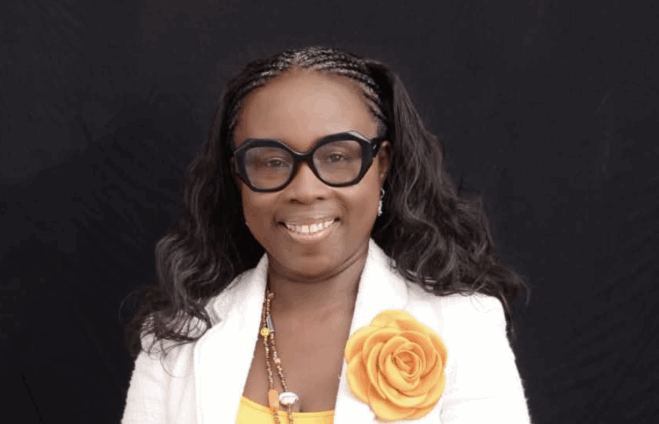
The writer is a Senior Lecturer/ Head of Department – Business Administration with University of Professional Studies, Accra
Latest Stories
-
Health Ministry engages Ga Mantse ahead of Free Primary Healthcare launch
11 seconds -
We can tackle multiple priorities – Sam George defends Anti-LGBTQ Bill push
35 minutes -
Statement: Ghana Chamber of Mines’ Response to Claims in Joe Jackson’s “Ananse Stories about the Economy of Ghana”
36 minutes -
GES opens 2026 teacher recruitment for licensed B.Ed graduates
39 minutes -
Ghana must value skilled trades, build resilient learners — Ibn Chambas
47 minutes -
Ghana must rethink education around relevance, resilience and responsibility — Ibn Chambas
50 minutes -
Prince Harry faces defamation lawsuit from charity he co-founded
52 minutes -
South Korea deploys thermal cameras to track escaped zoo wolf
53 minutes -
Calls for royal meeting with Epstein survivors grow ahead of US visit
57 minutes -
Ibn Chambas advocates blend of technology and human values in education
58 minutes -
UMA improves healthcare access in Asutifi North with GH₵700k ‘Kim Taylor Legacy’ Walkway
1 hour -
Scholarships Authority and Fanaka University offer sponsorship for procurement and supply chain studies
1 hour -
Bisa Kdei drops new single ‘Go N Look’ featuring Medikal
1 hour -
Benin facing rising terrorism in north as French military presence faces growing criticism
1 hour -
UEW Public Lecture Series 2026: Education debate ‘about the soul of Ghana’s future’ — Dr Ibn Chambas
1 hour