

Audio By Carbonatix
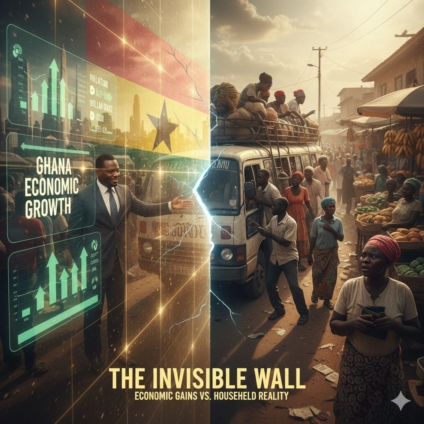
Ghana’s economy is showing signs of improvement. Inflation has slowed, the cedi has gained strength against the dollar, and government officials keep pointing to positive numbers.
On paper, things look better. But for many households, daily life feels just as hard, if not harder. This gap raises a serious concern: why are economic gains not reflected in people’s pockets?
One clear example is public transport. Fuel prices have eased at different points, yet transport fares remain high. Worse, some drivers now cut journeys short. Passengers are forced to alight midway, pay again, and reload another vehicle going in the same direction.
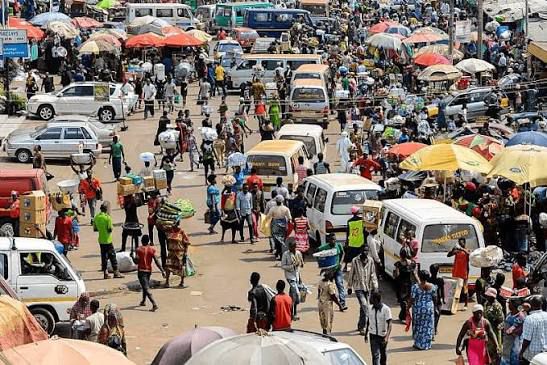
Under normal conditions, one vehicle would complete the full route. Today, inconvenience has become a normal practice.
“Trotro” drivers often have an advantage here because there are more passengers than vehicles, so fares go up. While this may make sense in theory, it places an unfair burden on commuters who have no alternative. The result is simple: any improvement in the economy is wiped out before it reaches the ordinary worker.
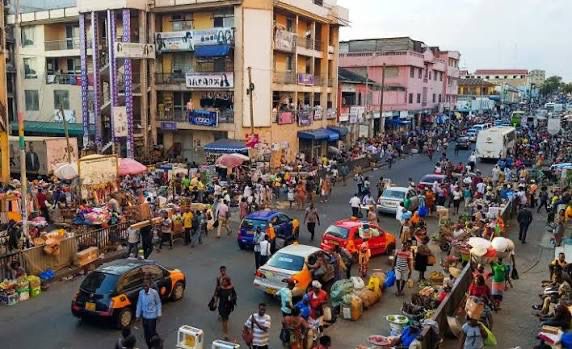
The same issue shows up in the markets. The cedi has strengthened, yet prices of food and basic goods refuse to come down. Traders usually give one explanation: the goods on sale were bought when the dollar was high, so prices cannot be reduced.
This claim may sometimes be true, but consumers have no way of checking. In a market with little regulation, sellers hold all the power. So even though inflation has been in single digits for months, many Ghanaians insist prices keep rising.
To them, inflation figures announced on the news feel disconnected from reality. The economy may be improving on paper, but life at home tells a different story.
This brings us to a difficult question: is Ghana’s problem really about government policies, or about citizens putting personal interest first? While prices do not always fall quickly, that cannot be an excuse for constant overcharging and exploitation. When every improvement is absorbed by middlemen and service providers, government efforts become meaningless.
Should Ghana continue to rely fully on a free market system, or is it time for stricter rules in key sectors like transport and trading? Must the majority suffer so that a few can protect their profits?
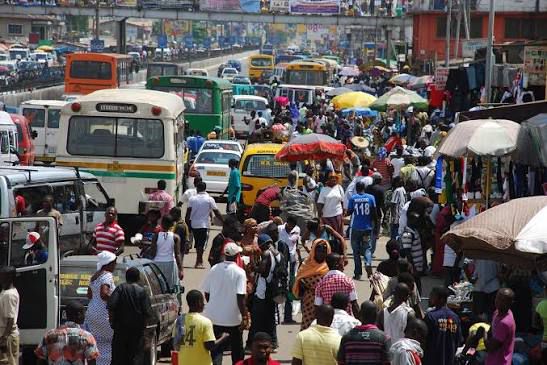
Until these issues are addressed, economic recovery will remain a headline, not a lived experience. The cedi could match the dollar, and fuel prices could fall sharply, yet households would still struggle. That is the real problem Ghana must confront: a thick wall separating good economic numbers from everyday life
Latest Stories
-
Edmond Boateng takes up secretary role at Honorary Consular Corps of Ghana
3 hours -
Gambia appoints British barrister to prosecute gruesome Jammeh-era crimes
3 hours -
Girl group Flo on entering into their ‘bombastic, confident, strong’ era
3 hours -
Germany suspends military approval for long stays abroad for men under 45
4 hours -
Liverpool face uphill Champions League task after PSG thrashing in Paris
4 hours -
‘Ketamine Queen’ sentenced to 15 years in Matthew Perry overdose death
4 hours -
Nigeria begins mass trial of 500 terrorism suspects
4 hours -
Atletico Madrid stun 10-man Barcelona to seize Champions League semi-final advantage
4 hours -
Black Stars coach to be announced by next week – Sports Minister
5 hours -
Chiefs, queen mothers and principal elders of Odau group denounce ‘rebellious Etweresohene’, pledges allegiance to Okyenhene
5 hours -
KNUST library dress code sparks online backlash over strict rules
5 hours -
Cultural Diplomacy in Action: Ghanaian youth leaders present symbolic smock to U.S. Chargé d’Affaires
5 hours -
Ghana Card payment activation under review – NIA breaks silence on financial integration
5 hours -
Ofori-Atta’s ICE release on bail positive; he poses no risk – Amanda Clinton
5 hours -
Ken Ofori-Atta’s passport seized after bail, set to reappear in US Court on April 27
5 hours