

Audio By Carbonatix
What is Galamsey?
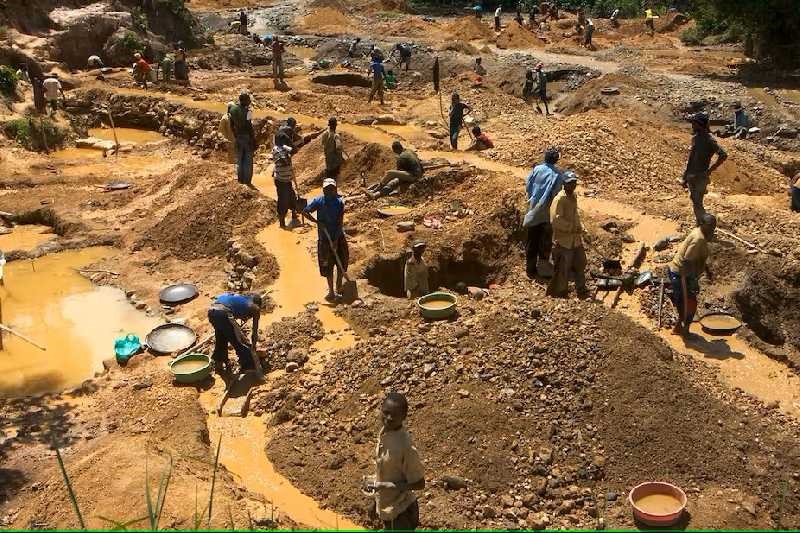
Galamsey, which means “gather and sell” in an indigenous language, refers to illegal small-scale mining.
This term is commonly used to describe unlicensed or unregulated artisanal mining activities, typically carried out by untrained individuals who indiscriminately excavate land and water bodies in search of gold and other minerals.
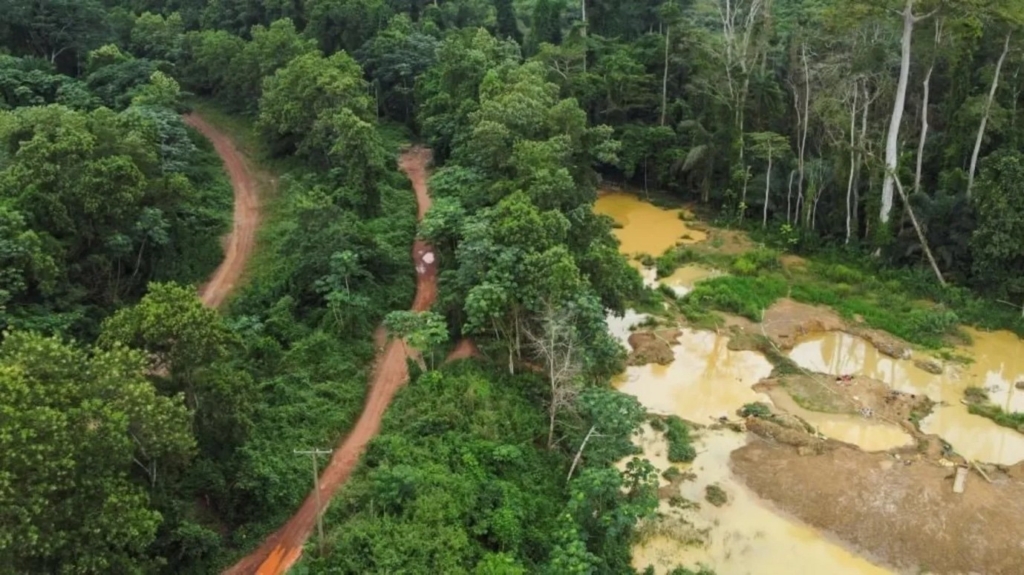
These miners often use rudimentary tools or advanced machinery like excavators and tractors, alongside harmful chemicals such as mercury and cyanide, which contribute to significant water pollution.
While these activities provide immediate livelihoods for miners, they have far-reaching consequences across multiple sectors, including agriculture, health, and tourism.
For example, illegal mining practices have destroyed freshwater sources, approximately 19,000 hectares of cocoa farmland, and about 4,726 hectares of forest land. Additionally, a 2023 Ghana Health Service report highlights the serious health risks, such as kidney disease and anaemia, linked to the use of toxic chemicals like mercury in mining.
How does Galamsey affect tourism?
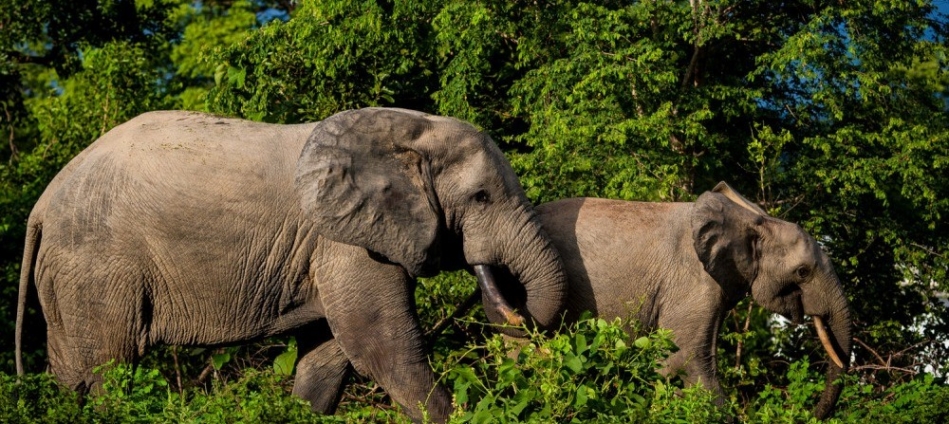
Tourism is intrinsically linked to the environment, as it thrives on natural attractions such as forests, wildlife reserves, beaches, and mountains.
Ghana, home to numerous nature-based tourist destinations, has approximately 18,000 square kilometres of forests and wildlife reserves, making it a popular destination for ecotourism.
However, the environmental destruction caused by galamsey threatens these very attractions, significantly undermining the tourism industry. Several factors highlight the connection between illegal mining and tourism:
- Tourists are drawn to destinations for their unique and authentic natural environments. Galamsey disrupts these environments, diminishing their appeal.
- Natural attractions play a central role in attracting tourists, especially ecotourists. The destruction caused by illegal mining reduces the attractiveness of these destinations.
- Tourism depends on a symbiotic relationship between tourists, the environment, and effective communication. Illegal mining destroys the environmental appeal that attracts visitors, reducing the potential for repeat visits and positive word-of-mouth.
- Destinations are multi-faceted, with various components contributing to the overall experience. For example, a visit to Elmina Castle may also involve a trip to nearby beaches. Galamsey can degrade both the heritage and environmental aspects of these destinations, diminishing their competitive edge.
What needs to be done?
To protect the tourism industry from the effects of galamsey, concrete actions must be taken:
Strengthen Enforcement of Environmental Laws: It is crucial to improve the enforcement of laws governing mineral extraction to ensure illegal miners comply.
This requires designated agencies to strictly implement environmental regulations, which are often hindered by corruption and nepotism.
Reclaim Degraded Lands and Polluted Water Bodies: The Ministry of Lands and Natural Resources, the Forestry Commission, and the Environmental Protection Agency must work to restore lands and water bodies damaged by illegal mining. While this is a long-term process, it is essential for reclaiming vital resources for tourism.
Community Sensitisation and Alternative Livelihoods: Many people involved in galamsey are unemployed youth with few alternatives. Educating communities about the environmental and health risks of illegal mining, coupled with offering alternative livelihoods, can reduce the practice.
Key stakeholders, including government agencies, traditional leaders, and NGOs, should work together to address these issues.
With a new government in power, there is an opportunity to implement policies that better address illegal mining and its broader implications.
By thinking beyond small-scale mining and considering its impact on tourism and the wider ecosystem, Ghana can take significant steps towards preserving both its environment and its tourism industry.
The writers are; Dr. Elizabeth Agyeiwaah, University of Queensland Business School, and Prof. Frederick Dayour, University of Business and Integrated Development Studies.
Latest Stories
-
After more than 14 years at Atletico Madrid, what next for Simeone?
1 hour -
Conquering the World – Building on the foundations laid by Otto Addo
1 hour -
[Watch Live] Obrafour, Kwaw Kese, Tinny, Keche and others thrill fans at Gomoa Easter Carnival
2 hours -
Gomoa Easter Carnival: Experts charge indigenes to own festival to ensure sustainability
3 hours -
Gomoa Easter Carnival: Edem Agbana and Joy Prime fans shower festival with huge endorsements
4 hours -
Gov’t to overhaul free zones into manufacturing hubs for local production – Trade Minister
5 hours -
Ghana losing $2.5bn yearly from raw exports – Trade Minister reveals
5 hours -
Mahama unveils plans for Kwahu Airport, Convention Centre
5 hours -
World’s oldest leader, Paul Biya to get a deputy for first time in 43-year rule
5 hours -
Search for missing US airman continues as Trump threatens ‘hell’ if Iran does not reach deal
6 hours -
US says it has arrested relatives of late Iranian general Qasem Soleimani
6 hours -
La Liga: Real Madrid’s title hopes hang in the balance as Mallorca snatch stoppage-time winner
6 hours -
FA Cup: Haaland hat-trick powers Man City past Liverpool into semi-finals
6 hours -
FA Cup: Chelsea thrash Port Vale to reach Wembley semi-final
6 hours -
Gov’t to boost tourism in coastal communities through infrastructure, sanitation – Vice President
6 hours