

Audio By Carbonatix
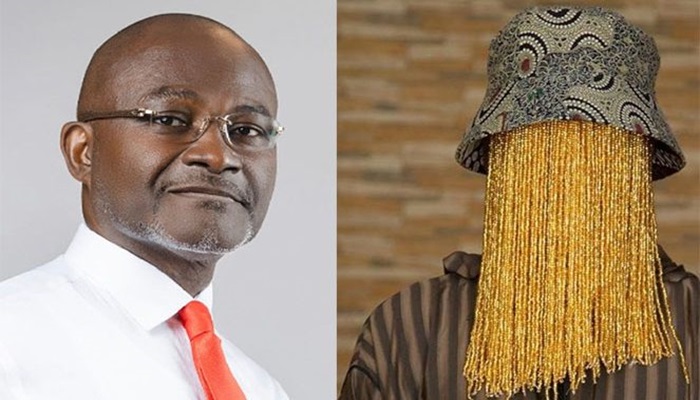
The recent judgment from an eight-member jury in New Jersey’s Essex County Superior Court awarding Ghanaian investigative journalist, Anas Aremeyaw Anas, $18 million in damages against former Ghanaian member of parliament (MP), Kennedy Agyapong, has reverberated far beyond the courtroom. This ruling, about alleged defamation, is a sign of the growing complexity of legal disputes crossing national frontiers in a connected world.
Navigating Legal Boundaries
Sitting at the core of this case is the US court's power to assert jurisdiction. It was critical that Agyapong owned property in New Jersey, and that the statements allegedly defamatory were made during a podcast interview conducted while he was physically present in the state. It opens how having a digital presence can expand the power of law's reach beyond the traditional limits of national borders. Beyond the outrageous conduct that is plainly shown in the video, the contrasting legal outcomes in both jurisdictions (Ghana and the United States of America) illustrate striking differences in the courts of both countries, and how these differences could possibly shape the outcome of cases.
Finding Balance Between Free Speech and Reputation
The case also highlights the delicate balance between freedom of speech and the ability of a person to protect their reputation. The US jury dismissed Agyapong's defence that his statements were hyperbole and opinion. The decision underscores that even in environments with robust protections of free speech, there are limits — especially when a statement is considered defamatory. Ghanaian and US courts take very different views of comment Agyapong in No. The divergence is striking. US courts found the statements were defamatory, while Ghanaian courts seemed to accept them — underscoring Differing legal interpretations.
Support Our Investigative Journalism
Anas Aremeyaw Anas is an undercover Ghanaian investigative journalist. This finding is a considerable victory for journalists who have found themselves threatened and/or attacked because of that which they do. It sends a clear message to those who seek to silence or discredit investigative journalism that there may be significant legal consequences for doing so. This massive award is also a testament to the uncompromising attitude of the US legal system when it comes to defamation.
International Law Considerations
This illustrates a growing trend whereby aggrieved individuals seek legal redress in foreign jurisdictions, including in relation to matters of online defamation. It highlights the importance that we have to understand better the international legal normal landscape and the landscape that allows legal battles to happen going across/beyond jurisdictions. That a court in the United States is making a judgement on the actions of a Ghanaian politician, in relation to a Ghanaian journalist, shows how interconnected we are as a global community.
Looking Ahead
The outcome of US court is likely to have consequences the world over. It even establishes the principle for future cross-border defamation cases, buttressing the reaches of a sovereign nation to bring some accountability to bear against an individual making statements online. It also provides some protection to investigative journalists who, in their quest for truth, including exposing corruption and abuse, often put their lives at risk.
But the case also opens up questions about the possibility of “libel tourism,” in which people scour jurisdictions for friendlier defamation laws. It highlights the importance of a continued discourse on aligning international legal frameworks for the sake of equity and coherence.
The overarching takeaway so far is that this case is a landmark moment in the relationship between law, journalism and international politics. It underlines the changing face of defamation in the age of digital communication and the growing necessity to traverse legal systems that are no longer confined to nation states.
Nana Karikari, Senior International Affairs / Political Analyst
Latest Stories
-
I assure Otumfuo, Mahama will join him to commission KNUST Teaching Hospital by end of this year – Haruna Iddrisu
38 minutes -
Gov’t to roll out free special education for persons with disabilities from July 1 – Education Minister
60 minutes -
“We used it to test our officiating officials’ readiness” – Bawah Fuseini after CAA Athletics event
1 hour -
Volleyball emerges as Ghana’s fastest rising sport
2 hours -
National Sports Fund needs strong leadership from the top – Administrator David Wuaku
2 hours -
JoySports Exclusive: Steve McLaren in talks with GFA after expressing interest in Black Stars job
2 hours -
Fire guts auto parts warehouse at Bubuashie, one fire officer injured
2 hours -
I owe my victory to coach Ofori Asare – Allotey after winning WBA Africa Gold Super Flyweight belt
2 hours -
Church of Pentecost supports over 2,000 BECE candidates in Obuasi with career guidance seminar
4 hours -
Brandon Asante and Coventry all but promoted to Premier League despite Sheffield Wednesday draw
4 hours -
GPL 2025/26: Late Kwartemaa strike downs Hearts in Tema
4 hours -
Ghana Faces Sierra Leone Moment as Prosecutorial Powers come under strain
4 hours -
Don’t consume fish or seafood from Tema Shipyard until further notice – FDA warns
4 hours -
Why volunteering might be Africa’s most underrated career accelerator
5 hours -
ActionAid Ghana raises concern over gender gaps in Feed Ghana Programme
5 hours