

Audio By Carbonatix
An estimated 350,000 African artefacts and manuscripts, as well as human remains, photographs and natural history specimens, have been found in a university's collections.
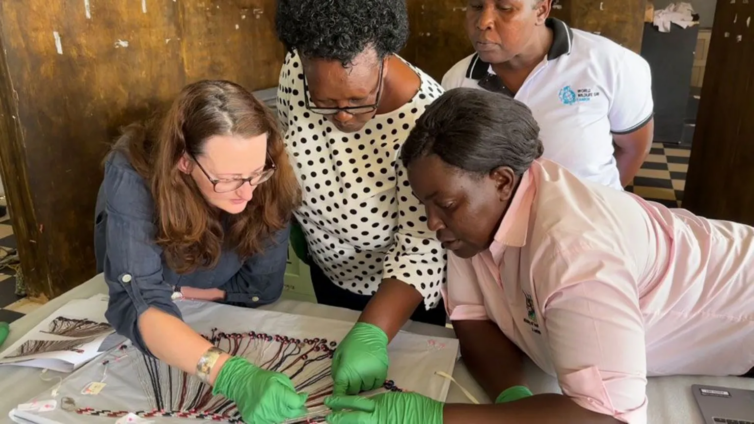
Dr Eva Namusoke spent 15 months liaising with University of Cambridge librarians, curators and archivists, as well as delving into their stores, to uncover the items.
It "is fairly common" for large museums not to display most of their collections, but it was "still surprising to see this scale and diversity from the entire African continent and some there for decades and decades", she said.
The project is the latest in recent work at the university to tackle questions about its museums' relationship with colonisation and enslavement and reveals the majority of artefacts were acquired during British colonisation.
Dr Namusoke, the Fitzwilliam Museum's senior curator of African Collections Future, said the majority of the Africa-related artefacts are not on display and she hopes they will now be more widely shared and researched.
They were found in the stores and archives of the eight museums and the Botanic Garden which together make up the University of Cambridge Museums, as well as the University Library and less-well-known collections in university departments and institutions.
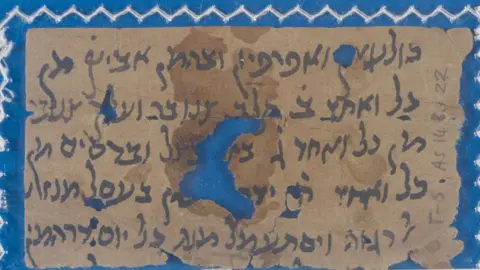
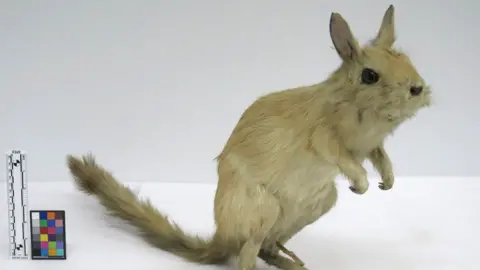
They range from Maasai [tribe] armlets donated by a colonial administrator, a small mammal collected in a Boer War (1899-1902) concentration camp, a collection of medieval Jewish manuscripts and early photographs of African people.
The connection with British colonisation
The majority of the artefacts were acquired during British colonisation, some gifted, bought, commissioned or excavated - while others were stolen, confiscated or looted.
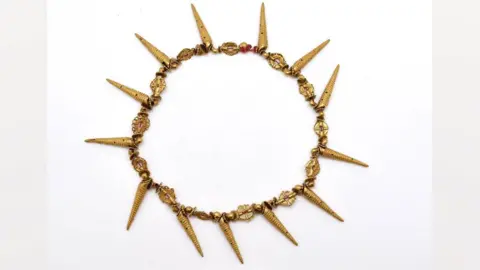
The Museum of Archaeology and Anthropology has a gold necklace from Ghana which is thought to have been looted from Asantehene Kofi Karikari’s palace during the Third Anglo-Asante War of 1873-4, while there are 116 objects linked to the British-led punitive campaign and looting of the Benin Kingdom in 1897, in present-day southern Nigeria.
Dr Namusoke said: "I was prepared to find material like this, as it is the case in a lot of museums around the world."
She said the 19th Century scientific method of collecting and colonisation "went very much hand in hand".
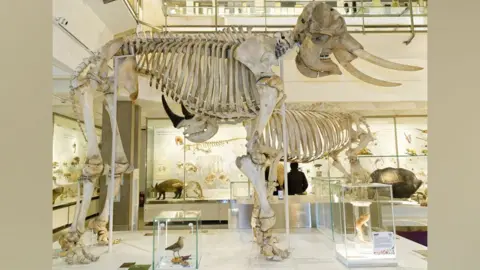
"The university holds dodo skeleton bones because of a personal relationship between someone in Cambridge and the colonial administrator in Mauritius," she said.
"There is a development with anthropology and the administration of colonies, meaning researchers have the framework to study and research the people and their culture."
Uncovering African labour and expertise
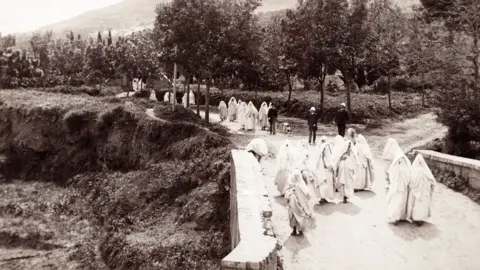
Dr Namusoke's report notes how "frustratingly little" there is recorded about the skills, expertise and local knowledge deployed by African workers in gathering the specimens or artefacts.
"There's an example I give from Cameroon from the 1930s where it is clear there is a huge amount of African labour involved," she said.
"They tracked and hunted the animals, including Cameroonian men lying on their stomachs for hours on end with test tubes to gather spiders and snails.
"It was absolutely about using local labour and expertise, their intellectual, physical and creative labour.
"The focus has been on the European scientists who did the collecting not the labour that made it possible."
Report findings at a glance
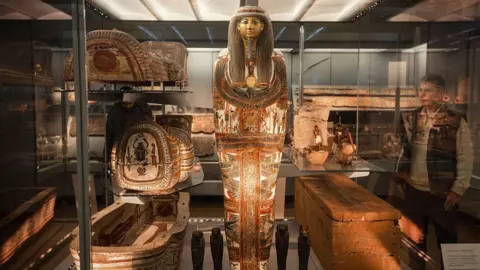
- Egypt is the best-represented African country in the university's collections, with tens of thousands of archaeological items and manuscripts
- The Museum of Archaeology and Anthropology has an estimated 137,000 items, but fewer than 1% is on display
- It also cares for more than 29,000 photographs, including early images of African people from the 1860s
- About 100,000 African specimens are held at the Museum of Zoology, while the Herbarium (containing preserved plants) has the least well-researched collection
- The Duckworth Laboratory cares for about 4,800 ancient human remains from Egypt and 1,200 from Sudan, but there is little documentation on how some 750 other African remains were collected
The project is part of Collections-Connections-Communities, a research initiative at the University of Cambridge.
The report ends with a number of recommendations to promote further research, collaboration and engagement, especially with African scholars and communities.
"But the next big step is increasing visibility and allowing people to explore the collections themselves," Dr Namusoke said.
Latest Stories
-
Minority warns against alleged LGBTQ provisions in constitutional review
3 minutes -
Wave of violence kills at least 26 in Nigeria as army thwarts mass church abduction
21 minutes -
Latvian businessman Aldis Ozols enstooled as development Chief of Supresu-Man
33 minutes -
‘We should go in for the best’ – Ernest Thompson on next Black Stars coach
37 minutes -
US, Iran receive 45-day ceasefire proposal as Trump deadline to reopen Strait of Hormuz looms
51 minutes -
Iran defiant as Trump vows ‘entire country’ could be taken out if no deal reached by tonight
56 minutes -
Afigya Kwabre North crowned champions of maiden MTN Ashantifest Regional U17 football competition
56 minutes -
The case for an explicit and limited Legal threshold for internal military deployment in Ghana
57 minutes -
UK Wireless Festival sponsorship withdrawals highlight high cost of Kanye West controversy for global brands
59 minutes -
CAF President to pay working visit to Senegal over AFCON title saga
1 hour -
GPL 2025/26: Samartex end winless run with victory over Kotoko
1 hour -
Afreximbank to avail US$10bn under its Gulf Crisis Response Programme to shield African, CARICOM economies from Middle East conflict
1 hour -
NPP behind every monumental agenda in Ghana – Miracles Aboagye
1 hour -
Ho Airport not a misplaced priority — GACL Board Chair
1 hour -
Nationwide sensitisation of haulage truck drivers ahead of Axle Load Enforcement
1 hour