

Audio By Carbonatix
Consumer prices in the US rose faster than expected last month, in a sign that the fight to slow inflation has stalled.
Prices rose 3.5% over the 12 months to March, up from 3.2% in February, the US Labor Department said.
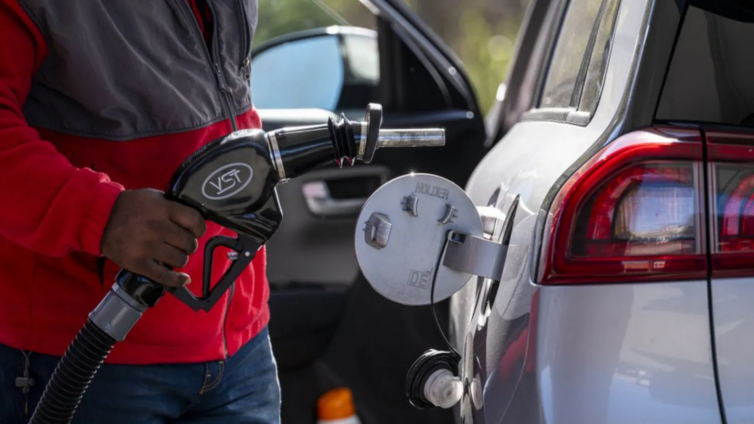
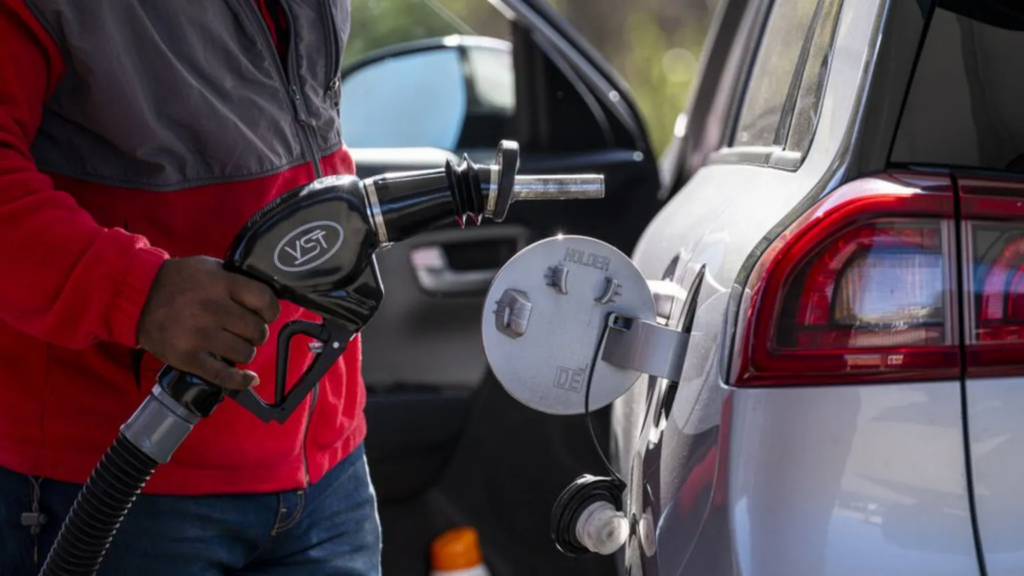
Higher costs for fuel, housing, dining out and clothing drove the increase.
Analysts warned the lack of progress will force the US central bank to keep interest rates higher for longer.
Higher interest rates help stabilise prices by making it more expensive to borrow for business expansions and other spending. In theory, that in turn slows the economy, and eases the pressures pushing up prices.
But the Federal Reserve's key interest rate is now set at the highest levels in more than two decades, in the range of 5.25%-5.5%.
Forecasters had expected the bank to start lowering borrowing costs this year, reflecting the fact that the inflation rate, which tracks the pace of price rises, has fallen significantly since hitting 9.1% in 2022.
But recent economic data, including strong jobs creation figures last week, has raised doubts about how soon those cuts might come.
Analysts, who once expected rate cuts as soon as March, have been rapidly revising bets, with many now not expecting any until later this summer and some predicting the bank could wait until next year.
What the Fed decides to do is likely to shape decisions by central bankers all around the world, said Neil Birrell, chief investment officer at Premier Miton Diversified Funds.
"The Fed has got some head scratching to do and if other central banks were waiting for the Fed to move, they have got a conundrum on their hands now," he said.
Inflation cooled rapidly over 2023 as pandemic-era supply issues healed and the spike in food and energy prices sparked by the war in Ukraine faded, but it still remains higher than the bank's 2% target.
An uptick in oil prices prices in recent months has also pushed energy costs higher, while prices for services show little sign of stabilising.
The Labor Department said prices jumped 0.4% from March to February, the same as in February.
Higher petrol and housing costs accounted for more than half the increase.
Car insurance, medical care and costs for internet also contributed.
So-called core inflation, which is seen by economists as a better indicator of future trends because it does not include more volatile food and energy prices, stood at 3.8%, the same as in February.
"We shouldn't overreact to the jump in headline inflation - which was all about energy," said Brian Coulton, chief economist at Fitch Ratings. But he added: "The details are not at all reassuring for the Fed."
Latest Stories
-
Netherlands Fire Chief in Ghana to support fire safety reforms and market fire prevention efforts
2 hours -
Mason goes on remand for stealing
2 hours -
Gov’t cuts fuel taxes, deploys buses to curb impact of rising fuel prices
2 hours -
Interior Minister calls for intelligence-driven strategy as Ghana strengthens counter-terrorism efforts
2 hours -
Adenta Circuit Court remands Pastor William Gyimah over viral threats against Vice President
3 hours -
“We’ve implemented changes to prevent a repeat of the AFCON final” – CAF President Motsepe
3 hours -
Gov’t orders deployment of Metro Mass buses to cushion commuters amid fuel price hike
4 hours -
Key Indian state polls begin in test for Modi’s party
4 hours -
Playback: Gomoa Easter Carnival in photos
4 hours -
Gov’t orders removal of fuel taxes to ease pump price hikes
4 hours -
“Whatever the decision of CAS, we will respect it” – CAF President Motsepe after AFCON final meetings in Morocco
5 hours -
Emma Ankrah: When waiting becomes part of treatment – Reflections on hospital care
5 hours -
Ghana urges travellers to prepare for new EU border system roll-out
5 hours -
Mahama enforces fuel coupon ban for ministers as cabinet moves to slash fuel taxes
5 hours -
Task force probes strange fish deaths in Tema
5 hours