

Audio By Carbonatix
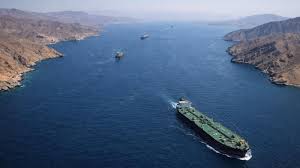
Fitch Solutions expects shipping disruptions to the Strait of Hormuz to reverberate through global supply chains in the coming weeks.
According to the UK-based firm, transit through the Strait of Hormuz, which usually tops 100 ships per day, had already dropped in recent weeks due to seasonal shipping factors, though the drop was exacerbated by escalating US-Iran tensions and heightened security concerns.
The Strait represents a no-alternative maritime chokepoint, fundamentally differentiating it from other strategic passages. Unlike disruptions to the Suez Canal or Bab el-Mandeb where maritime detours remain feasible, the Strait of Hormuz offers no economically viable bypass for most shipments.
For energy flows (25% of maritime oil trade, 20% of global LNG trade), the Strait represents a genuine single point of failure. For containers (3-4% of global volumes), it is systemically critical for Gulf Cooperation Council (GCC) economies.
“While limited pipeline alternatives exist, these lack the throughput capacity to absorb the Strait's energy flows. The overall effect has been an abrupt operational withdrawal from one of the world’s most strategically sensitive waterways, which will force Gulf‑bound cargo to be discharged at safer regional hubs and create increasing dependence on smaller feeder vessels”, Fitch Solutions mentioned.
“Even this scenario is not flawless as ships near the Omani coast have been reported to have been hit by projectiles. This will also drive congestion at transhipment ports, elevate spot freight rates, and propagate delays across wider global supply chain networks. In January 2026, global container schedule reliability reached its highest post-pandemic monthly figure according to Sea-Intelligence and will certainly be eroded”, it added.
Historical precedent suggests resilience - no event in modern history has fully closed the Strait of Hormuz. During the 1980s Tanker War, when Iran and Iraq attacked oil tankers, laid mines and drew in US naval escorts, the Strait remained open to transit. Periodic vessel seizures in recent decades have also not materially disrupted overall traffic given its importance.
Fitch Solutions said nonetheless, the lack of a full closure reflects commercial desperation rather than operational viability. “Ultimately, the Strait of Hormuz remains too strategically significant for regional or global actors to allow a prolonged closure”.
It stressed that its economic indispensability creates powerful commercial and geopolitical incentives to keep it functioning, making unlikely to be closed for a prolonged period.
Latest Stories
-
Middle East crisis shows Ghana needs to diversify energy sources – Energy expert
18 minutes -
Government of Ghana Internal Revenue Generation cannot fund Big Push in Four Years
25 minutes -
EPCG Moderator urges leaders to serve with courage and humility in Easter message
57 minutes -
The Cobra at the gate: When good intentions overrun the system
1 hour -
Easter service disrupted in Nyanyano as suspected land guards storm church event
1 hour -
Price surge exposing NDC gov’ts dishonesty -Titus Glover
1 hour -
Afigya Kwabre North MP urges Finance and Energy Ministers to submit energy sector report
1 hour -
Deliver quality or face sanctions — GETFund administrator cautions contractors
2 hours -
Kwahu Easter festivities trigger condom shortages; Health teams boost awareness
2 hours -
Victims of a legend: The women Daddy Lumba left behind
2 hours -
Mahama vows to prioritise roads, social amenities in Savannah region
2 hours -
Mahama sets up 18-member panel to advance Africa-led global health reforms
3 hours -
Ghana Medical Trust Fund Administrator urges hope and compassion in Easter message
3 hours -
Traders, Freight forwarders push back against planned cargo tracking policy
3 hours -
BoG Governor highlights tough trade-offs in monetary policy decisions
3 hours