

Audio By Carbonatix
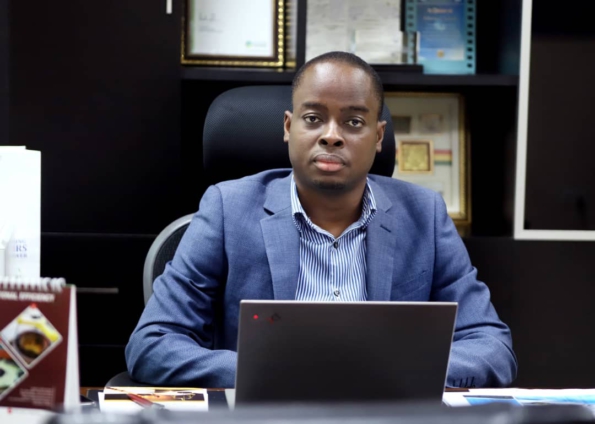
The Executive Secretary of the Public Utilities Regulatory Commission, Dr. Ishmael Ackah, says the Commission had taken Ghana’s current economic situation into consideration when coming up with new utility tariffs.
According to him, this was to ensure that consumers were not overly burdened by the increment and the utility companies had enough to operate on.
It will be recalled that the Electricity Company of Ghana and the Ghana Water Company Limited had earlier demanded a 148% and 334% increment in tariffs, however, following consultations with the PURC the figures were reduced to 27.15% and 21.55% respectively.
The PURC says the agreed percentages, even though it is a lot less than the utility companies expected, will be enough to sustain the companies’ operations while minimizing the burden on consumers.
Speaking on JoyNews’ PM Express, the PURC Executive Secretary said, “When you look at this decision, three main factors were considered. In fact, the effect of all these variables, everything and even this decision on the consumer was the first one.
“The utility related factors which was the second one, then the general macroeconomic conditions, exchange rate, inflation was the third one. So we placed all these three variables on a table and we decided to see how we can minimize the impact on the consumer without also negatively affecting the utilities’ role to serve the consumer.
“So yes the utility should be able to serve but the consumer should not suffer too much. So we did a number of things again and when you come to the consumer's end, apart from all these breaking down, taking some out, reducing, zeroing and all that was to make sure that the impact of the tariff was not too much on the consumer.”
He added that the rather significant increment in the tariffs is due to the delay of the process.
“Again, we should also remember that the last time we did any adjustment was in 2019, so over time some of these factors have built up. In fact, people were a little surprised it had built up to this point so it was almost inevitable. We needed to make a decision,” he argued.
According to Dr. Ackah, this tariff will cover the next four years with periodic adjustments.
Latest Stories
-
Netherlands Fire Chief in Ghana to support fire safety reforms and market fire prevention efforts
3 hours -
Mason goes on remand for stealing
3 hours -
Gov’t cuts fuel taxes, deploys buses to curb impact of rising fuel prices
4 hours -
Interior Minister calls for intelligence-driven strategy as Ghana strengthens counter-terrorism efforts
4 hours -
Adenta Circuit Court remands Pastor William Gyimah over viral threats against Vice President
5 hours -
“We’ve implemented changes to prevent a repeat of the AFCON final” – CAF President Motsepe
5 hours -
Gov’t orders deployment of Metro Mass buses to cushion commuters amid fuel price hike
6 hours -
Key Indian state polls begin in test for Modi’s party
6 hours -
Playback: Gomoa Easter Carnival in photos
6 hours -
Gov’t orders removal of fuel taxes to ease pump price hikes
6 hours -
“Whatever the decision of CAS, we will respect it” – CAF President Motsepe after AFCON final meetings in Morocco
6 hours -
Emma Ankrah: When waiting becomes part of treatment – Reflections on hospital care
6 hours -
Ghana urges travellers to prepare for new EU border system roll-out
7 hours -
Mahama enforces fuel coupon ban for ministers as cabinet moves to slash fuel taxes
7 hours -
Task force probes strange fish deaths in Tema
7 hours