

Audio By Carbonatix
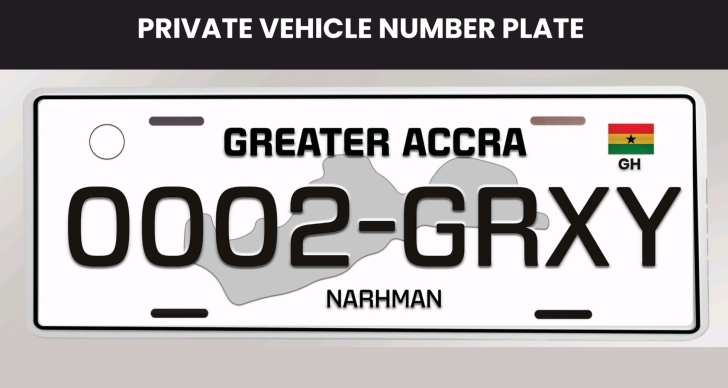
The Vehicle Embossment Association of Ghana (VEMAG) has filed an injunction at the High Court in Accra, seeking to restrain the Driver and Vehicle Licensing Authority (DVLA) from rolling out a digital or any new vehicle number plate registration system beginning January 2026.
The suit was filed by BEMENCO Embossment Ltd and 26 other plaintiffs, all members of the Vehicle Embossment Association of Ghana (VEMAG).
The injunction application was filed at the High Court on Monday (December 22, 2025), seeking to restrain the DVLA from introducing digitalised vehicle number plates or any new registration plates until the court determines the merits of the case.
They are also asking that the DVLA should be prevented from implementing any alternative arrangement for the embossment and supply of vehicle number plates outside the existing framework involving the plaintiffs.
The plaintiffs are arguing that DVLA had awarded both manufacturing and embossment contracts to a single entity, an act which they termed as unprecedented and contrary to established practice.
The VEMAG is seeking an order compelling the DVLA to continue engaging licensed embossers for 2026 and beyond.
VEMAG is also asking for costs, including solicitors fees, and any further reliefs the court may deem fit.
They also seek several reliefs from the court, including declarations that the DVLA's refusal to allocate blank registration plates for 2026 is unlawful and a breach of contract.
They further allege that on October 27, 2025, the DVLA Chief Executive Officer informed members of the plaintiff association at a meeting that the Authority had awarded the contract for both the manufacture and embossment of number plates to one individual, Dr Nyarko Esumadu Appiah of Original Manufacturing and Embossment, also known as Daasebre.
According to VEMAG the DVLA still owes some of their members arrears for plates already produced.
Alleged breach
VEMAG is arguing that the approvals granted by the DVLA, coupled with the consistent conduct of both parties over three decades, amounted to an enforceable contract for the embossment of vehicle number plates.
They contend that the DVLA has neither revoked nor withdrawn those approvals, yet has refused to allocate blank registration plates for the 2026 production cycle.
They say that by this time of the year, production for the following year would normally have been completed, ensuring a smooth transition into the new year.
However, the DVLA's failure to make allocations has, according to them, created uncertainty and disrupted established processes.
VEMAG also arguing that DVLA had not been transparent in its approach in rolling out the new digital number plates. They also said the current DVLA management has been unwilling to continue consultations, despite assurances previously given to embossers to prepare for the digital transition.
They also allege that the DVLA did not advertise for tenders nor obtain approval from the Public Procurement Authority to sole-source the contract, thereby violating the Public Procurement Act, 2003 (Act 663).
They described the decision as illegal, discriminatory and an abuse of administrative authority, particularly in overlooking dozens of Ghanaian-owned companies that have invested heavily in the sector.
Impact
The plaintiffs warned that the DVLA's actions could have severe socio-economic consequences.
They stated that members of the association collectively employed over 3,000 workers across the country and that disengaging them abruptly would jeopardise livelihoods nationwide.
They also expressed concern that the public could be inconvenienced at the start of the year if the DVLA is unable to register vehicles and issue plates due to the injunction.
VEMAG states that as part of the approval process, members were required to acquire specialised embossment equipment that met DVLA specifications, at costs ranging between GHc70,000 and GH 1 million per unit.
They further claim that over the years, the embossers have pre-financed the production of vehicle number plates, producing and supplying plates to the DVLA, which sells them before settling payments to the embossers.
Latest Stories
-
The Ghanaian prophet and the mysterious death of his scottish wife Charmain Speirs
19 minutes -
Nearly 400 sentenced in Nigeria for links to militant Islamists
40 minutes -
Ghana’s recovery supported by gold strength despite global oil price pressures – Standard Bank Research
47 minutes -
Kwaku Azar writes: A-G vs OSP
1 hour -
Mfantsipim–Adisadel rivalry built excellence, not division – Sam Jonah
2 hours -
Vice President launches Mfantsipim’s 150 years of shaping Ghana’s greatest mind
2 hours -
I assure Otumfuo, Mahama will join him to commission KNUST Teaching Hospital by end of this year – Haruna Iddrisu
3 hours -
Barcelona dominate derby to extend La Liga lead
3 hours -
Gov’t to roll out free special education for persons with disabilities from July 1 – Education Minister
3 hours -
Importers and Exporters Association declares full support for Publican AI port system
3 hours -
“We used it to test our officiating officials’ readiness” – Bawah Fuseini after CAA Athletics event
4 hours -
Volleyball emerges as Ghana’s fastest rising sport
4 hours -
National Sports Fund needs strong leadership from the top – Administrator David Wuaku
4 hours -
JoySports Exclusive: Steve McLaren in talks with GFA after expressing interest in Black Stars job
4 hours -
Fire guts auto parts warehouse at Bubuashie, one fire officer injured
4 hours