

Audio By Carbonatix
Authorities in the Brazilian state of Rio Grande do Sul have confirmed 54 cases of the waterborne leptospirosis disease after the region experienced unprecedented floods in the months of April and May.
Four others have died after contracting the illness, which is transmitted through water contaminated with infected animals' urine, like rats.
As many as 800 suspected cases are currently being investigated, the state's health department said in a statement.
More than 165 people were killed in the floods and many others are still missing.
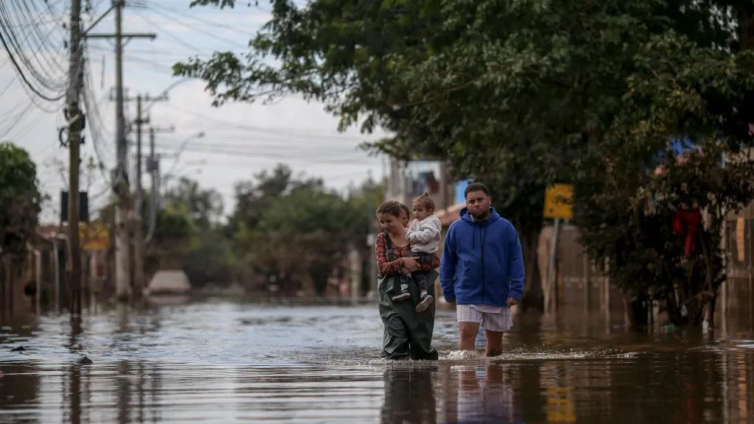
More than 2.3 million Brazilians from 469 municipalities in Rio Grande do Sul have been affected by what has been described as a "climate disaster" by the Brazilian government.
At least 581,000 people are displaced, while temporary accommodation has been able to house 55,000 Gauchos (people from Rio Grande do Sul), according to local media reports.
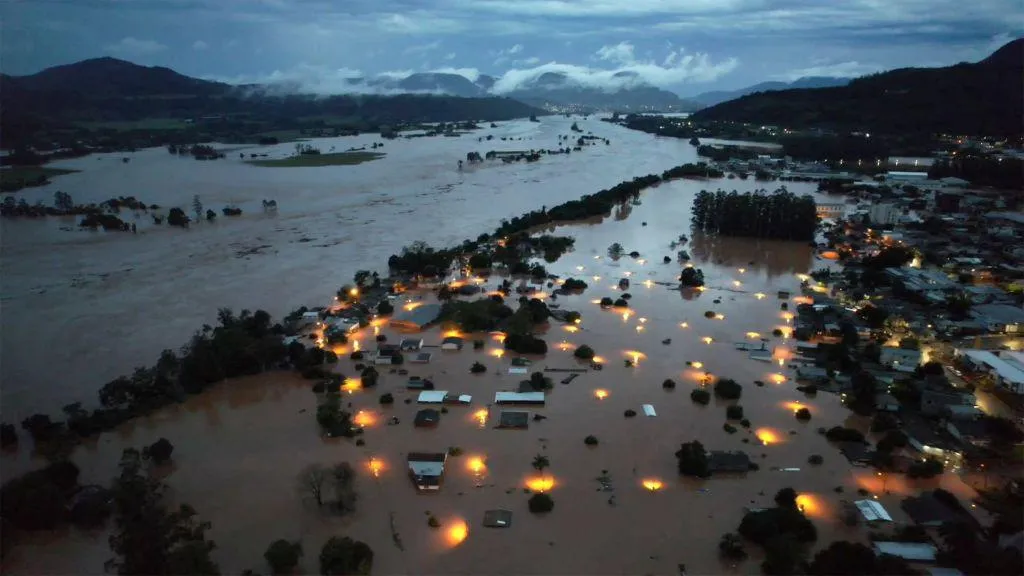
Many cities in the state are still under water and conditions could see leptospirosis cases go up.
The disease's symptoms include fever, muscle ache and nausea followed by vomiting.
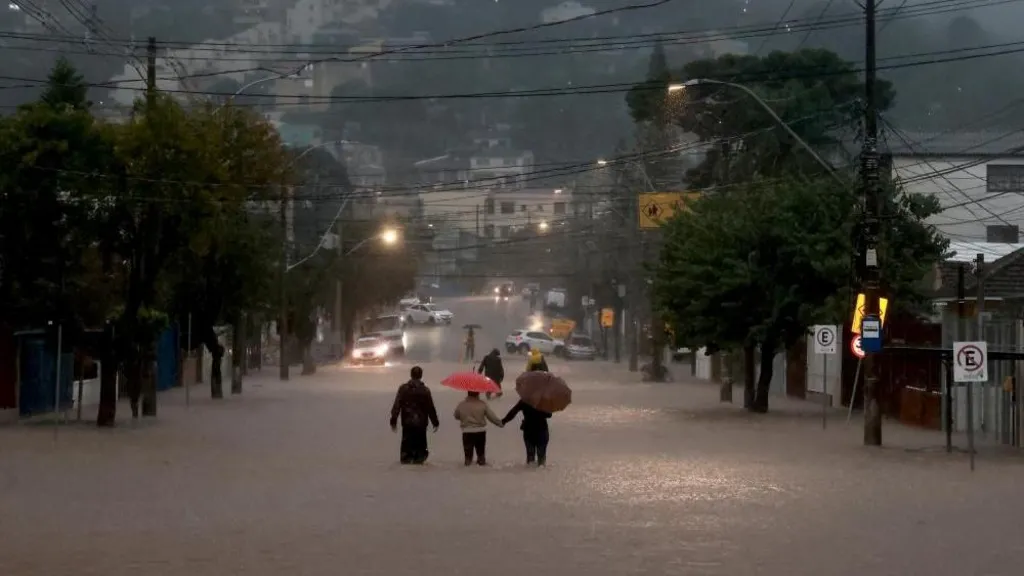
The state's health department has warned residents that flood water may mix with sewage, leading to the transmission of diseases like leptospirosis and hepatitis A.
Brazil vaccinates its population against hepatitis A, but given the magnitude of this advises people to still avoid consuming water or food that might be contaminated with water from the floods.
Recovery and rescue efforts are ongoing and the federal government has allocated more than R$1,8bn (£275m, $348m) to support Rio Grande do Sul.
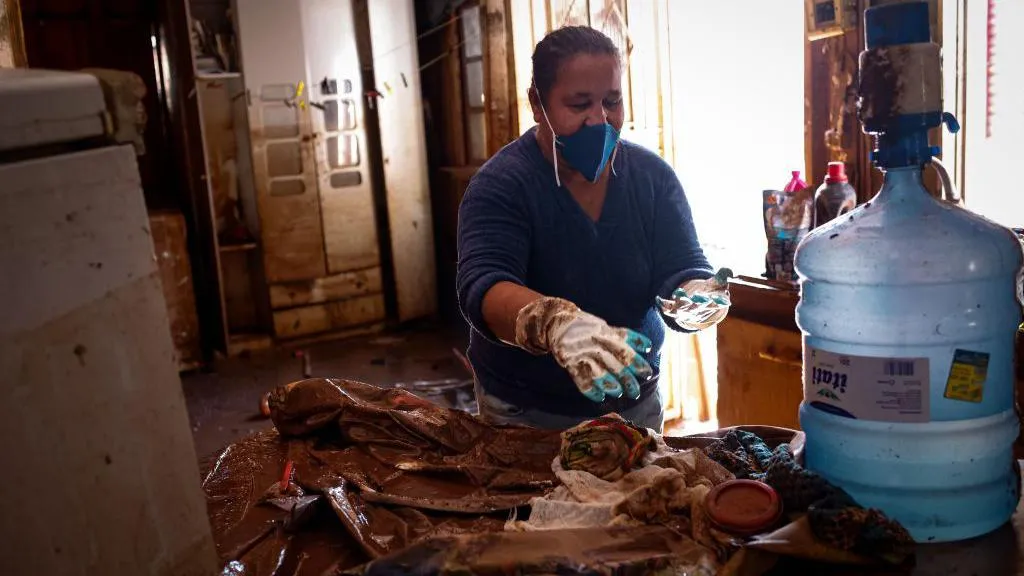
As flood waters lower, the full-scale of the damage in Brazil's southernmost state is becoming clearer. Those who were able to return to their homes try to salvage belongings that withstood the flooding.
Rio Grande do Sul has a population of more than 10m inhabitants across 497 municipalities. The state borders Uruguay and Argentina.
'Climate disaster'
Critics of Rio Grande do Sul's government have accused the state's governor of being complicit in the damage caused because of his stance on environmental policies.
In an article published on Folha, journalist Eleonora de Lucena wrote that Rio Grande do Sul's right-wing leadership has meant local politicians were catering to the interests of soya farmers and neglecting environmental protection commitments.
Under governor Eduardo Leite's leadership, more than 400 changes to the state's environmental legislation have been made including a law that allows dams to be built in environmentally protected areas.
But during an interview with BBC Brasil last week, Mr Leite defended his policies, adding that dams in protected areas would allow for food production.
The floods were a result of intense and unprecedented rainfall in the region. But a hydroelectric dam collapse after days of heavy rain at the beginning of May exacerbated mass displacement.

Latest Stories
-
Wa West Picnic: Peter Lanchene Toobu champions peace, health and unity in landmark celebration
2 minutes -
Dr Mensah Market flooded after downpour in Kumasi
10 minutes -
Armed men reportedly storm Adjen Kotoku Onion Market amid tensions
1 hour -
Tecco Mensah writes: Why football fans must look beyond statistics
2 hours -
Police recover stolen Honda CR-V in Kumasi within 48 hours
2 hours -
Apetorku Gbodzi 2026 Festival opens in Dagbamete with development focus
3 hours -
President Mahama arrives in Lyon to co-chair One Health Summit
3 hours -
Beverly View Plus Hotel draws crowds amid coastal Easter rush in Volta
3 hours -
Maiden Zongo Festival held in Wa amid calls to tackle drug abuse among the youth
3 hours -
FDA warns of fake HIV test kits on Ghanaian market
4 hours -
Africa urged to build resilient health systems as donor support tightens
4 hours -
Easter gesture: Ablakwa settles medical bills for 85 North Tongu constituents
5 hours -
Africa must harness its population strength—Titus-Glover
6 hours -
Visa-free access doesn’t mean unlimited stay – Lom Ahlijah
6 hours -
From Golgotha to Kwahu: The Easter Migration of the Faithful and the Faithless
7 hours