

Audio By Carbonatix
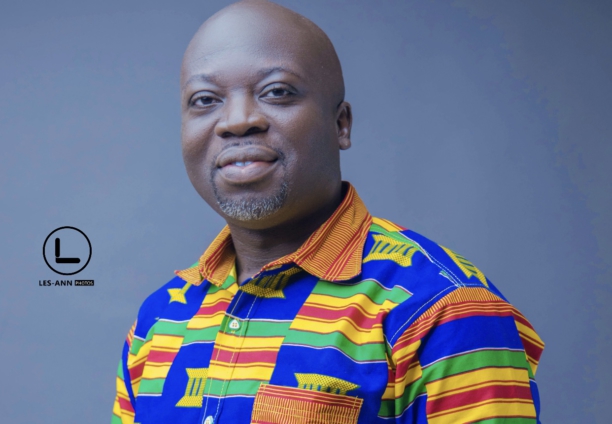
The Director of Policy Planning, Research, Monitoring and Evaluation at the National Commission on Culture, Dr. Fio Richardson Commey, has remonstrated the decision by Ghana’s government to solicit financial support from foreign powers to fashion out its Cultural Policy.
Speaking in an interview with Showbiz A-Z on Joy FM, he told Kwame Dadzie that the 2004 Cultural Policy of Ghana was sponsored by the German Government and its review is funded by the World Bank.
He also intimated that allowing foreign influences into Ghana’s cultural framework could be inimical to what Ghanaians represent.
“When it comes to culture, as a country, we need not to be relying on Western support because that is fundamentally where your right and identity can be targeted. We are now talking about LGBTQ+. Can the Cultural Policy today be clear on the Ghanaian stance and position on something LGBTG+?” he asked.
The Cultural Policy Document is dedicated to the realisation of the vision of the people of Ghana to respect, preserve, harness and use their cultural heritage and resources to develop a united, vibrant and prosperous national community with a distinctive African identity and personality and a collective confidence and pride of place among the comity of nations.
It seeks to create awareness of the traditional values and generate pride and respect for the nation’s heritage.
It is also aimed at enhancing the role of the media as channels for promoting understanding of our cultural values and the potential of the rich diversity of ethnic expressions for nation building.
Aside from that Ghana's Cultural Policy intends to make the people of Ghana aware of the contemporary relevance of their traditions and cultural heritage and assist local communities to mobilise their cultural resources for human and material development.
Among other things, the 2004 Ghana Cultural Policy is targeted at eliminating, through public education, and appropriate legislation, cultural practices that lead to the abuse of the rights of the individual on account of ethnic differences, gender, age, and religion.
It was first sanctioned in 2004 and is currently going through a review to reflect the changing times.
Latest Stories
-
Ghana’s recovery supported by gold strength despite global oil price pressures – Standard Bank Research
32 seconds -
Kwaku Azar writes: A-G vs OSP
34 minutes -
Mfantsipim–Adisadel rivalry built excellence, not division – Sam Jonah
58 minutes -
Vice President launches Mfantsipim’s 150 years of shaping Ghana’s greatest mind
1 hour -
I assure Otumfuo, Mahama will join him to commission KNUST Teaching Hospital by end of this year – Haruna Iddrisu
2 hours -
Barcelona dominate derby to extend La Liga lead
2 hours -
Gov’t to roll out free special education for persons with disabilities from July 1 – Education Minister
2 hours -
Importers and Exporters Association declares full support for Publican AI port system
3 hours -
“We used it to test our officiating officials’ readiness” – Bawah Fuseini after CAA Athletics event
3 hours -
Volleyball emerges as Ghana’s fastest rising sport
3 hours -
National Sports Fund needs strong leadership from the top – Administrator David Wuaku
3 hours -
JoySports Exclusive: Steve McLaren in talks with GFA after expressing interest in Black Stars job
3 hours -
Fire guts auto parts warehouse at Bubuashie, one fire officer injured
3 hours -
I owe my victory to coach Ofori Asare – Allotey after winning WBA Africa Gold Super Flyweight belt
3 hours -
Church of Pentecost supports over 2,000 BECE candidates in Obuasi with career guidance seminar
5 hours