

Audio By Carbonatix
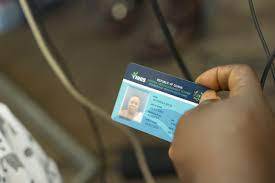
Pharmacist, Dr. Kwame Asiedu Sarpong has called for the recapitalisation of Ghana's National Health Insurance Scheme for the country to achieve universal health coverage.
According to him, the recent capping of funding going into the scheme has significantly limited the ability of the NHIS to provide the needed health coverage for the populace.
Speaking on Ghana’s kidney dialysis crisis on JoyFM’s Super Morning Show, he noted that the recapitalisation of the scheme, while it may not solve all of the country's health challenges, would be a step in the right direction to addressing the teething problems.
“We need to start a conversation about how we can recapitalize the National Health Insurance Scheme. I have always held the view that the capping of funding by this government going into the National Health Insurance Scheme is unhelpful to our health system.
“But I also agree that even if all the funds the scheme ought to receive based on the law were to go to them, it probably still will not be enough to cover most of the disease burden we have based on the trends we see going forward,” he said.
He also urged the government to take health data seriously to avert any major health crisis.
He explained that without heeding to these health trends and addressing them immediately, they morph into dire and more expensive situations for the country.
“And that is the other thing; we need to understand our data and our health checks. If you listen to Dr. Koranteng Annor, there’s a lot of research he’s done, there’s a lot of numbers he’s churning out, and the question is who is listening? We often wait until the numbers and trends become real human beings before we start firefighting. That wouldn’t work. And so we need a serious conversation around healthcare,” he said.
Dr. Sarpong also advocated for the sensitisation and education of the general populace on health issues to encourage them to seek medical care often and not just when they are in pain.
"And we need to enforce regulation,” he added.
He stressed that should the government apply honesty and due diligence to the health sector – inviting the right people to the right conversations, Ghana’s health sector could be transformed for the better.
“Everything is within our capacity to do. I have looked at countries like Rwanda, I have looked at countries like Liberia, Sudan in a paper I presented. I have heard the likes of Dr. Annor talk about countries like Kenya and Tanzania whose health expenditure is much lower than ours, but are able to provide dialysis to their citizens at a cost that doesn’t constrain them and doesn’t hasten their death. These are the things that we have to look at. So it’s about the honesty and the right conversations with the right people being at the table. That for me will be the starting point,” he said.
Latest Stories
-
WAFU B U17: ‘We won but I expected more from my boys’ – Kassim Ocansey
4 minutes -
Man City cruise to statement win over 10-man Liverpool
14 minutes -
Be careful with cross-border lending, foreign currency exposures – BoG to financial institutions
3 hours -
GPL 2026/27: Medeama go three clear as Hearts of Oak recover and Bechem stage stunning comeback
3 hours -
Ntiamoah Foundation launches “BEYOND 20” anniversary campaign
3 hours -
Credit Risk Management Directive: BoG to begin implementation for banks, others from July 1, 2027
3 hours -
Ghana Brands Awards 2026: Leading brands, business trailblazers to shine on November 20
4 hours -
T-bills auction: Demand improves as government exceeds target by about 76%; interest rates soften
4 hours -
Ziope undertakes initiative to build a technologically inclined community, commissions self-help ICT lab
4 hours -
ECG announces power outage in parts of Tema, Central Region due to network fault, maintenance
5 hours -
When the Gospel Becomes a Weapon: The church, blackmail and the abuse of faith
5 hours -
JoyNews’ Jacqueline Ansomah Yeboah selected for UK Media Excellence for Emerging Technologies Fellowship
5 hours -
Mental Health Alliance urges government to operationalise Mental Health Fund
6 hours -
Ghana–Holy See agreement heads to Parliament after Cabinet approval
6 hours -
Luv FM Corporate Games 2026: Kumasi Central Prisons, Amanfiman Bank win big amid fun
6 hours