

Audio By Carbonatix
Some rubber traders and aggregators in the Western Region have raised concerns about what they describe as unfair and unsustainable practices by certain local processing factories. While efforts to promote local raw material supply to domestic factories are ongoing, these traders allege that they are being marginalised in ways that threaten their livelihoods and the broader growth of Ghana’s rubber industry.
According to some of the traders and aggregators, local processors, who depend heavily on independent farmers and traders to feed their factories, have allegedly adopted pricing models and payment systems that disadvantage those working within the value chain.
Traders: The Quiet Pillars of Rubber Supply
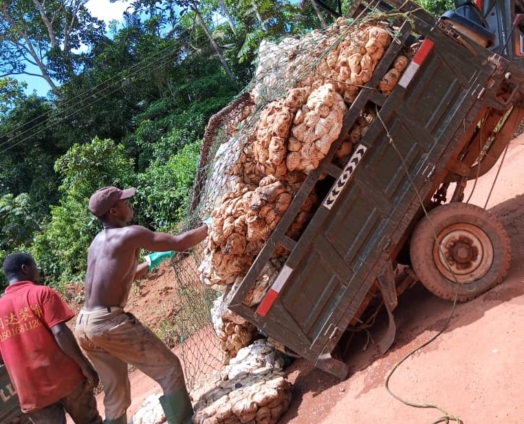
In the absence of strong plantation ownership by many processors, independent farmers and traders have become the main source of raw material. Some traders claim they now take full responsibility for managing farms, providing tappers, logistics, and interest-free loans to farmers.
“They rely on us to feed their factories, yet they treat us like a nuisance,” one aggregator alleged.
Several of them say they even rent entire plantations, manage farm operations, and transport the rubber from remote communities to the factories, often at their own cost.
Alleged Challenges
No Trader Price at Some Factories
Some traders allege that certain local processors have no clear pricing structure for aggregators. They are reportedly offered the same prices given to farmers, without any consideration for water loss, transportation, loading, or minimal profit margins.
“We’re forced to sell at a loss just to stay in the game,” a trader claimed.
Unprofitable Margins
Even in instances where trader prices are offered, aggregators say they are far from profitable. “Sometimes you pay your tappers and transporters more than you earn,” another trader lamented.
Delays in Payment
Another major concern, according to the traders, is the delay in payments. While some local factories promise prompt transactions, payments are allegedly delayed for days or even weeks, stifling operations and preventing traders from re-entering the farms to buy again.

Inconsistent Absorption Capacity
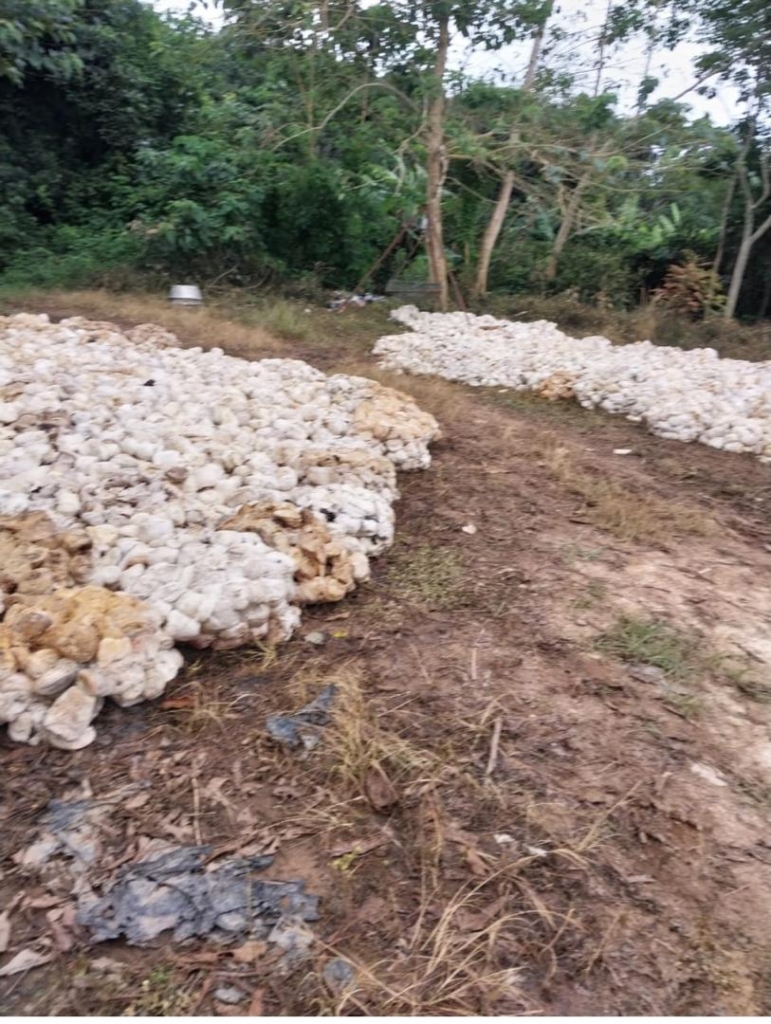
Traders allege that many local processors are unable to absorb consistent supply, especially when export channels are constrained. During such times, traders who turn to local factories report experiencing abrupt price cuts or outright rejection of their goods.
“They tell us to wait, but by the time they’re ready, the rubber has deteriorated,” one trader said.
Calls for Balance and Fairness
Some aggregators are calling for the Tree Crop Development Authority (TCDA) and other regulatory bodies to step in and ensure fairness across the value chain. They argue that while strengthening local processing is important, it should not come at the expense of traders who have kept the industry afloat during its most challenging years.
“There’s a need for a proper regulatory framework that recognises our contributions and protects our investments,” a trader urged.
A Risk to the Entire Sector?
Stakeholders warn that failure to address these alleged injustices could lead to widespread abandonment of rubber farms. This could trigger ripple effects across rural economies, particularly in communities where rubber farming is a key source of income.
“If the traders withdraw, most of these farms will rot. Some may even be converted into illegal mining sites, like what we’ve seen before,” a concerned observer noted.
While the drive to encourage local processing is commendable, rubber traders and aggregators say the current path must be reconsidered. According to them, inclusive policies that protect and reward all contributors to the value chain are essential if Ghana’s rubber industry is to survive and thrive.
Latest Stories
-
Mahama reprimanded Baba Jamal – NDC says code of conduct is already working
56 minutes -
Description of conduct as ‘inappropriate’ is based on NDC’s constitution – Gbande on vote-buying claims
1 hour -
NDC can only reprimand, not prosecute – Gbande explains limits of party sanctions
2 hours -
Even talking about it is progress – NDC’s Gbande defends probe into vote-buying claims
2 hours -
PM asks Sir Jim Ratcliffe to apologise for saying UK ‘colonised by immigrants’
5 hours -
16 hours of daily use is ‘problematic,’ not addiction – Instagram boss
5 hours -
US House votes to overturn Trump’s tariffs on Canada
5 hours -
Dad unlawfully killed daughter in Texas shooting, coroner rules
5 hours -
Anas wins 7 – 0 as SC unanimously rejects attempts to reverse judgment in his favour
5 hours -
Trump tells Netanyahu Iran nuclear talks must continue
6 hours -
The cocoa conundrum: Why Ghana’s farmers are poor despite making the world’s best chocolate
7 hours -
Powerful cyclone kills at least 31 as it tears through Madagascar port
7 hours -
GoldBod summons 6 gold service providers over compliance exercise
7 hours -
Power disruption expected in parts of Accra West as ECG conducts maintenance
8 hours -
Police investigate alleged arson attack at Alpha Hour Church
8 hours