

Audio By Carbonatix
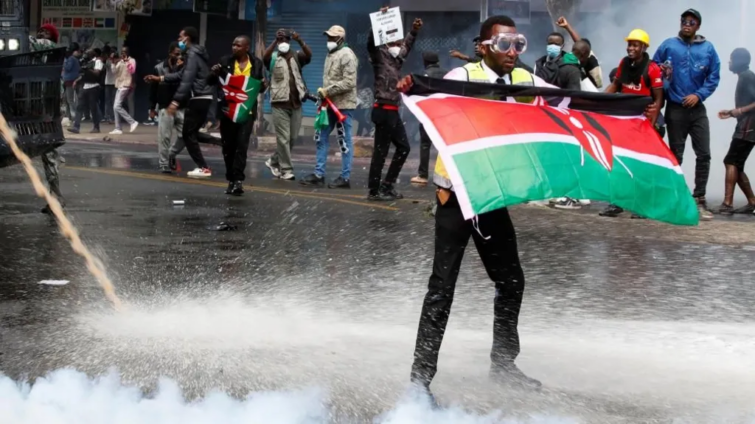
Protests over an unpopular finance bill have led to the deaths of at least five people in Kenya, with part of the parliament building set alight.
Protesters say the bill would impose unaffordable tax rises on ordinary citizens and businesses already weighed down by the high cost of living.
Police fired live rounds at protesters on Tuesday, leading to several deaths and hundreds of injuries.
The government has dropped some of the contentious proposals but protestors want the entire bill scrapped.
What did the orginal bill propose?
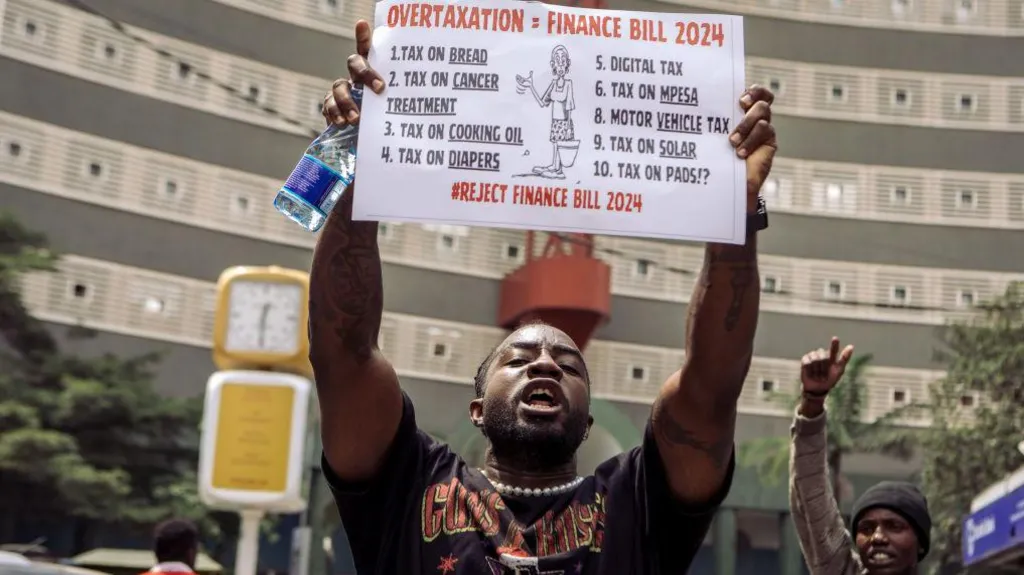
- Taxes on basic items
The bill initially proposed to introduce a 16% sales tax on bread and 25% duty on cooking oil.
There was also a planned increase in the tax on financial transactions as well as a new annual tax on vehicle ownership amounting to 2.5% of the value of the vehicle.
In response to public opposition, the government said it would drop these measures.
- The eco levy
A charge on products that contribute to waste and harm the environment was another key provision of the bill that the government has now suggested amendments to.
Critics pointed out that it would lead to the increase in the cost of essential items such as sanitary pads. They said many girls already unable to afford these products often miss school during their periods.
Babies' nappies would also be affected.
The government then said the levy would apply only to imported products.
The eco levy was also aimed at digital products, including mobile phones, cameras and recording equipment. But many Kenyans say they rely on these products, essential to the digital economy, for their livelihoods.
What are some of the measures that remain untouched?
- Tax on specialised hospitals
The finance bill introduces a 16% tax on goods and services for the direct and exclusive use in the construction and equipping of specialised hospitals with a minimum bed capacity of 50.
Many Kenyans worry that this could mean higher healthcare costs.
The chairman of the parliamentary finance committee, Kuria Kimani, has called claims that the bill would tax cancer patients "falsehoods".
- Higher import fees
The bill proposes to increase the rate of import taxes from 2.5% to 3% of the value of the item, to be paid by the importer.
The rise comes just a year after the rate was reduced from 3.5% to 2.5%. Protesters say the changes would lead to higher prices for imported products.
Getty Images
Why did the protests escalate?
On Tuesday, MPs passed the controversial bill, although without some of the most contentious measures.
Protesters broke through police lines to storm the parliament building, setting a section of it on fire.
Police officers opened fire with live ammunition, killing at least five people. A BBC reporter at the scene reported seeing dead bodies in the street.
Western countries have expressed concern at the violence and urged calm.
President William Ruto had previously promised to address protesters' concerns.
Why are protesters still angry?
Although the government has dropped some of the proposals, some remain, including the higher import tax.
But concerns are deeper than this bill. Exasperated Kenyans are angry at a government they long thought does not take their concerns into consideration.
- Why Kenya's president wants people to love the taxman
- Kenya protests: I feel betrayed by William Ruto
Demonstrators have not been convinced by Mr Ruto's argument that compared to other African countries, Kenyan taxes are relatively low.
A finance law last year, which also introduced a slew of unpopular taxes, was met with protests at the time.
What happens next?
Now that the bill has been passed, the president can either sign it into law within 14 days or send it back to parliament with a proposal for further amendments.
The government could also opt for other measures in a bid to defuse the pressure, including deferring the bill, although this is unlikely.
Latest Stories
-
Trump seeks $152m to reopen notorious Alcatraz prison
1 hour -
Ex-Chelsea player Oscar retires with heart issue
2 hours -
CA Foundation drives constitutional literacy in Kpone Katamanso municipality
2 hours -
GPRTU to hold talks with Transport Ministry over rising fuel costs
2 hours -
CUTS International urges gov’t to halt sachet water price hike pending cost review
2 hours -
Chief Justice: Efficient Judiciary essential to reducing business costs
2 hours -
Bayern grabs 99th-minute winner to cap superb fightback
2 hours -
Ahmed Ibrahim urges Ghanaians to reflect Easter values in nation-building
2 hours -
ECG inefficiencies undermining power supply -Mahama outlines reforms
2 hours -
Lewandowski scores as Barca fight back to defeat Atletico
2 hours -
Lack of private sector consultation undermining economic growth – Jerry Ahmed Shaib
2 hours -
Real Madrid seven points adrift after Muriqi’s late Mallorca winner
2 hours -
Ghana must lead AfCFTA implementation by example – Trade Minister Ofosu-Adjare
2 hours -
Strong Judiciary key to business confidence – Chief Justice Baffoe-Bonnie
2 hours -
Mahama announces 60-Hectare irrigation project to boost tomato production
2 hours