

Audio By Carbonatix
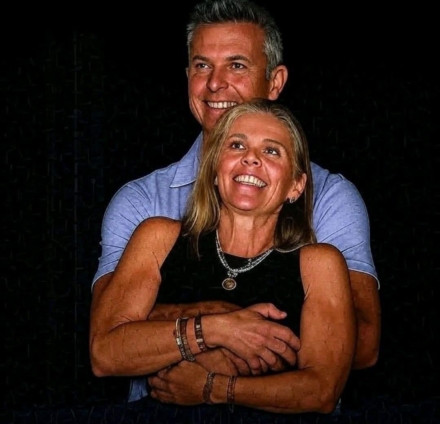
At what was supposed to be a night of music and relaxation at a Coldplay concert, a scandal unfolded that quickly turned into a leadership catastrophe. A video surfaced online showing a CEO and the Head of HR—both married to other people—engaged in a public display of intimacy. Within hours, the incident moved beyond personal embarrassment to organizational crisis. For the employees watching, it wasn’t just about a private affair; it was about a deep, public betrayal of the values their leadership claims to uphold.
This is not just tabloid fodder. This is a case study in leadership ethics, accountability, and the unseen consequences of private decisions made by public figures.
The Leadership Paradox: Power Without Restraint.
CEOs carry immense influence. They are not just responsible for driving profits—they set the tone for behavior, culture, and ethical standards within the organization. The Head of HR, by extension, is the moral custodian of company values, responsible for nurturing a culture of fairness, accountability, and trust.
So what happens when the very people expected to enforce values break them? The result is simple and devastating: Trust collapses. Not just in the individuals involved, but in the system they represent.
When leaders behave as if they are above the code of conduct, they erode the very foundation of corporate culture. This isn’t about morality in a vacuum—it’s about operational integrity. If employees begin to believe that leadership operates by a different set of rules, cynicism grows, morale drops, and talent walks out the door.
Ripple Effects of Public Leadership Failures.
The impact of such an incident is multidimensional:
- Trust is Undermined.
Employees question whether the leadership team can be trusted with their careers, development, and futures. If leaders can lie in public, can they be honest in business?
- Values Lose Meaning.
No matter how many posters you hang in the office or how often you speak about “integrity” and “respect,” those words become hollow when leadership actions contradict them.
- Culture Becomes Toxic.
Inconsistency at the top creates confusion below. It encourages silence over accountability and teaches people to look the other way. Over time, this creates an unsafe, dishonest, and unproductive work environment.
- Reputational Damage.
Clients, investors, and partners pay attention. What begins as a viral video can quickly evolve into a question of credibility, stability, and investor confidence.
A Call to CEOs: Leadership is a 24/7 Responsibility.
This case should serve as a sobering reminder to every CEO and C-suite leader: Leadership doesn’t end at 5 p.m. Your actions outside the boardroom are just as powerful—if not more so—than your decisions inside it.
Your personal behavior has professional consequences. The higher your position, the more visible your life becomes, and the more critical your alignment with your company’s values must be.
What CEOs Must Do Differently.
- Lead with Integrity—Always.
Private decisions carry public weight when you’re in a leadership role. Ethical leadership means your values show up in every setting, not just in front of a boardroom.
- Create a Culture of Accountability.
This includes accountability at the very top. If leaders are shielded from consequences, you foster a culture of entitlement. If they’re held accountable, you model consistency and fairness.
- Empower HR, Don’t Compromise It.
HR must be independent and principled—not complicit. Its role is to safeguard ethics, not bend them to protect senior leadership. CEOs must uphold HR’s authority, not undermine it.
- Communicate Transparently in Crisis.
When mistakes happen, leaders must address them with honesty, not silence. Acknowledge the issue, communicate with sincerity, and take visible action to rebuild trust.
The Real Legacy of Leadership.
Your legacy as a CEO won’t just be about financial performance or market share—it will be about the culture you created, the standards you upheld, and the trust you earned.
In today’s transparent, hyper-connected world, personal ethics and professional leadership are no longer separate. They are inseparable. Leadership without personal discipline is a liability. Leadership without ethical backbone is a ticking time bomb.
So ask yourself—not just in the boardroom but in your daily life—Am I living the values I expect others to follow?
Because the truth is: You don’t lead by what you say. You lead by what you tolerate—and by how you live.
Latest Stories
-
CIB Ghana Post-MPC policy seminar urges action to turn macroeconomic stability into jobs
31 seconds -
Maguire signs one-year contract at Man Utd
3 minutes -
GACL chairman says airport levy to fund projects, completion targeted within 24 months
16 minutes -
Sugar sacks now used to bag cocoa under Mahama government – Annoh-Dompreh raises concerns
21 minutes -
President Mahama will sign LGBTQ Bill when it reaches him — NDC’s Wonder Madilo
22 minutes -
NADMO issues alert on Chlorine gas leak at Baifikrom Water Treatment Plant
25 minutes -
Airport congestion, ageing facilities justify new levy — GACL Chairman
37 minutes -
Runway at risk: GACL Chair warns of potential downgrade and sewage disaster at Accra Int’l Airport
40 minutes -
Annoh-Dompreh leads Minority Caucus tour to spotlight cocoa sector challenges
41 minutes -
Adorye urges government to safeguard fuel supply amid global tensions
54 minutes -
Agalga reveals regional airports are bleeding and survive on Accra International Airport subsidies
57 minutes -
Western North police arrest 4 suspected fake National Security operatives over alleged mining site raid
1 hour -
We cannot build an aviation hub on 2010 rates – Agalga defends new airport levies
1 hour -
Fighters leadership undergoes systems training in Project Management at Cambridge Centre of Excellence
2 hours -
Fires in Ghana: We know the next one is coming
2 hours