

Audio By Carbonatix
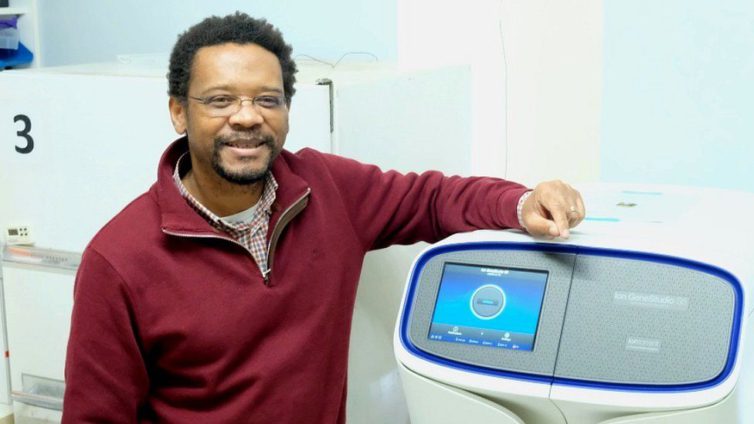
It was just a "crazy idea" to start with, says Ambroise Wonkam, professor of medical genetics at Cape Town University in South Africa.
He is talking about his vision of creating a huge library of genetic information about the population of Africa, outlined in the science journal Nature, earlier this year.
The Three Million African Genomes (3MAG) project emerged from his work on how genetic mutations among Africans contribute to conditions like sickle-cell disease and hearing impairments.
He points out that African genes hold a wealth of genetic variation, beyond that observed by scientists in Europe and elsewhere.
"We are all African but only a small fraction of Africans moved out of Africa about 20-40,000 years ago and settled in Europe and in Asia," he says.

Prof Wonkam is also concerned about equity. "Too little of the knowledge and applications from genomics have benefited the global south because of inequalities in health-care systems, a small local research workforce and lack of funding," he says.
Only about 2% of the genomes mapped globally are African, and a good proportion of these are African American. This comes from a lack of prioritising funding, policies and training infrastructure, he says, but it also means the understanding of genetic medicine as a whole is lopsided.
Studies of African genomes will also help to correct injustices, he says: "Estimates of genetic risk scores for people of African descent that predict, say, the likelihood of cardiomyopathies or schizophrenia can be unreliable or even misleading using tools that work well in Europeans."
To address these inequities, Prof Wonkam and other scientists are talking to governments, companies and professional bodies across Africa and internationally, in order to build up capacity over the next decade to make the vision a reality.
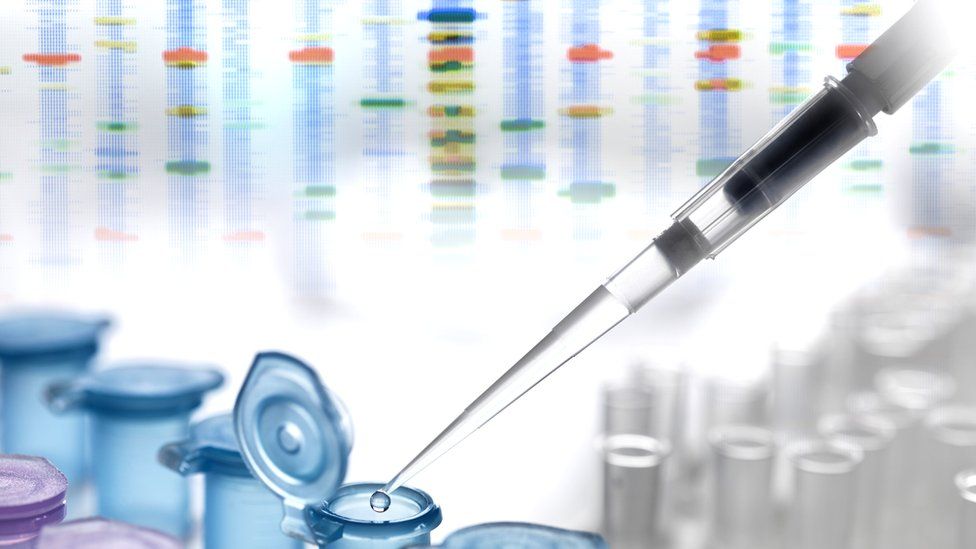
The number of three million is the minimum he expects to accurately map genetic variations across Africa. As a comparison, the UK Biobank currently aims to sequence half a million genomes in under three years, but the UK's 68 million population is just a fraction of Africa's 1.3 billion.
Prof Wonkam says the project will take 10 years, and will cost around $450m (£335m) per year, and says industry is already showing an interest in it.
Biotech firms say they welcome any expansion of the library of African genomes.
The Centre for Proteomic and Genomic Research (CPGR) in Cape Town works with biotech firm Artisan Biomed on a variety of diagnostic tests. The firm says it is affected by the gaps in the availability of genomic information relevant to local populations.
For example, it may find a genetic mutation in someone and not know for certain if that variation is associated with a disease, especially as a marker for that particular population.
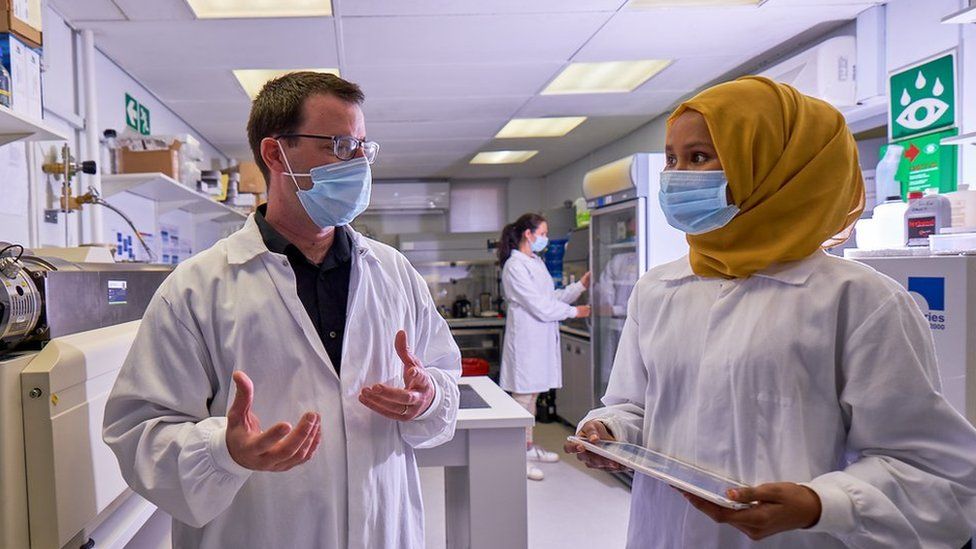
"The more information you have at that level, the better the diagnosis, treatment and eventually care can be for any individual, regardless of your ethnicity," says Dr Lindsay Petersen, chief operations officer.
Artisan Biomed says the data it collects feeds back into CPGR's research - allowing them to design a better diagnostic toolkit that is better suited to African populations, for instance.
"Because of the limited data sets of the African genome, it needs that hand in hand connection with research and innovation, because without that it's just another test that has been designed for a Caucasian population that may or may not have much of an effect within the African populations," says Dr Judith Hornby Cuff.
She says the 3MAG project would help streamline processes and improve the development of research, and perhaps one day provide cheaper, more effective and more accessible health care, particularly in the strained South African system.
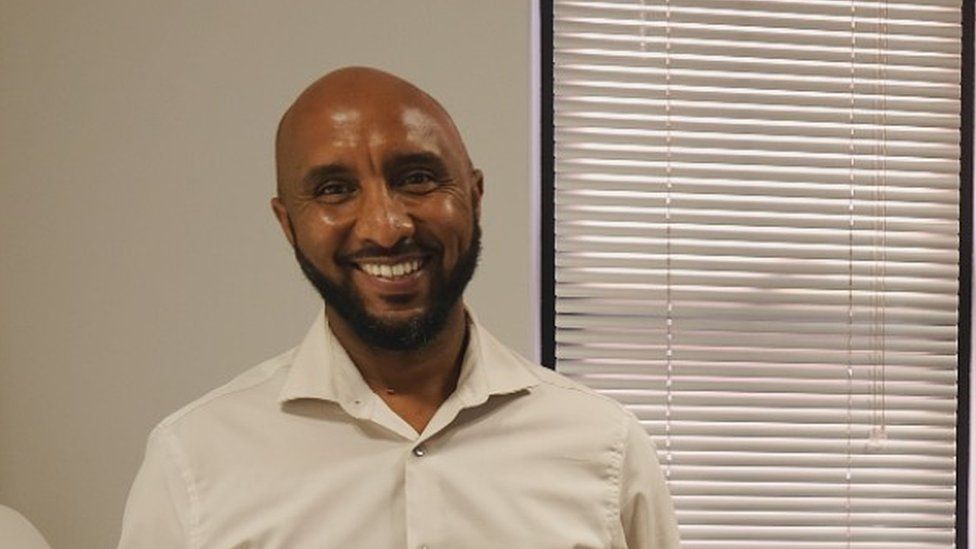
One of those hoping to take part in the 3MAG project is Dr Aron Abera, a genomics scientist at Inqaba Biotech in Pretoria, which offers genetic sequencing and other services to research and industry.
The firm employs over 100 people in South Africa, Ghana, Kenya, Mali, Nigeria Senegal, Tanzania, Uganda and Zimbabwe. Currently, most of the genetics samples collected in these countries are still processed in South Africa, but Dr Abera hopes to increase the number of laboratories soon.
The gaps are not only in infrastructure but also in staff. Over the last 20 years, Inqaba has focused on using staff and interns from the African continent - but it now has to expand its training programme as well.
Back in Cape Town, Prof Wonkam says that while the costs are huge, the project will "improve capacity in a whole range of biomedical disciplines that will equip Africa to tackle public-health challenges more equitably".
He says: "We have to be ambitious when we are in Africa. You have so many challenges you cannot see small, you have to see big - and really big."
Latest Stories
-
Families pick Luv Fm Family Party to celebrate Easter Monday with music and more
23 minutes -
Legal and procurement red flags in Ghana Gas insurance change — IMANI
32 minutes -
Kaneshie footbridge rehabilitation to take up to 9 months — AMA
40 minutes -
AMA confirms trading will be banned on Kaneshie footbridge after rehabilitation
51 minutes -
IMANI flags procurement concerns in state insurance placements
55 minutes -
Mahama’s push for visa-free Africa reflects Nkrumah’s Pan-African vision – Rashid Tanko-Computer
1 hour -
Redefining sweetness: Why our celebrations must heal, not harm
1 hour -
IMANI urges Mahama to reaffirm his 2014 directive on competitive state insurance placements
1 hour -
Maiden Katon Praise comes off at Accra Sports Stadium on April 17
2 hours -
Families flock to Luv FM Easter party at Rattray park in Kumasi
2 hours -
Rural health worker laments overwhelming burden at CHPS compounds
2 hours -
Katon Meet to stream Accra stadium Katon Praise Concert worldwide
2 hours -
Gov’t considers exploring local raw materials to stabilise production costs of sachet water prices
3 hours -
Mahama in Paris: Turning Diplomacy into Delivery
3 hours -
Middle East crisis shows Ghana needs to diversify energy sources – Energy expert
3 hours