

Audio By Carbonatix
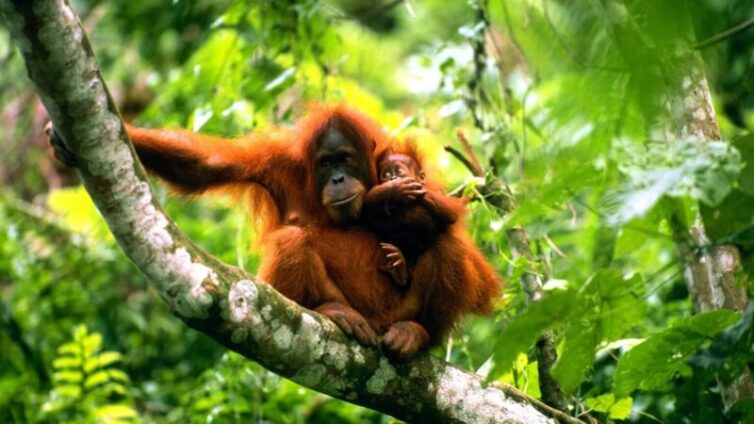
Human activity is continuing to drive what conservation charity the World Wide Fund for Nature (WWF) calls a "catastrophic" loss of species.
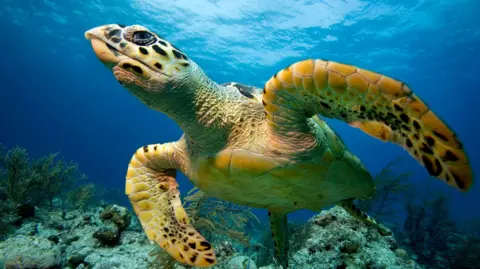
From elephants in tropical forests to hawksbill turtles off the Great Barrier Reef, populations are plummeting, according to a stocktake of the world's wildlife.
The Living Planet Report, a comprehensive overview of the state of the natural world, reveals global wildlife populations have shrunk by an average of 73% in the past 50 years.
The loss of wild spaces was "putting many ecosystems on the brink", WWF UK head Tanya Steele said, and many habitats, from the Amazon to coral reefs, were "on the edge of very dangerous tipping points".
The report is based on the Living Planet Index of more than 5,000 bird, mammal, amphibian, reptile and fish population counts over five decades.
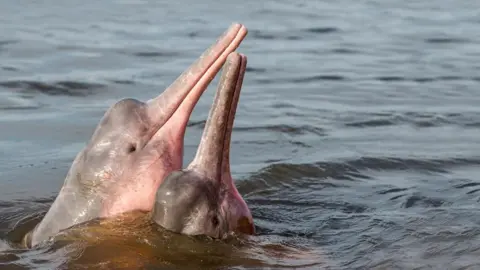
Among many snapshots of human-induced wildlife loss, it reveals 60% of the world's Amazon pink river dolphins have been wiped out by pollution and other threats, including mining and civil unrest.
It also captured hopeful signs of conservation success.
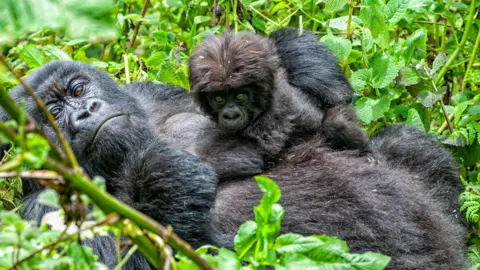
A sub-population of mountain gorillas in the Virunga Mountains of East Africa increased by about 3% per year between 2010 and 2016, for example.
But the WWF said these “isolated successes are not enough, amid a backdrop of the widespread destruction of habitats”.
Tom Oliver, professor of ecology at the University of Reading, who is unconnected with the report, said when this information was combined with other datasets, insect declines for example, "we can piece together a robust - and worrying - picture of global biodiversity collapse”.
The report found habitat degradation and loss was the biggest threat to wildlife, followed by overexploitation, invasive species, disease, climate change and pollution.
Lead author and WWF chief scientific adviser Mike Barrett said through human action, "particularly the way that we produce and consume our food, we are increasingly losing natural habitat”.
The report also warns nature loss and climate change are fast pushing the world towards irreversible tipping points, including the potential "collapse" of the Amazon rainforest, whereby it can no longer lock away planet-warming carbon and mitigate the impacts of climate change.
"Please don't just feel sad about the loss of nature," Mr Barrett said.
"Be aware that this is now a fundamental threat to humanity and we've really got to do something now.”
Valentina Marconi, from the Zoological Society of London’s Institute of Zoology, told BBC News the natural world was in a "precarious position" but with urgent, collective action from world leaders "we still have the chance to reverse this".
This alarm call for the planet's wildlife comes as world leaders prepare to gather for the United Nations Biodiversity Conference, in Colombia, to discuss how to restore nature.
Almost 200 countries have committed to a landmark 2022 UN agreement to tackle nature loss, including setting aside 30% of the planet for nature by 2030.
The UK has signed up to the pledge, with the foreign secretary announcing the climate issue and decline in nature would be "central" to government policy.
Ms Steele said the report was an "incredible wake-up call".
"Healthy ecosystems underpin our health, prosperity and wellbeing," she told BBC News.
"We don't think this sits on the shoulders of the average citizen - it's the responsibility of business and of government.
"We need to look after our land and our most precious wild places for future generations."
Latest Stories
-
We can tackle multiple priorities – Sam George defends Anti-LGBTQ Bill push
25 minutes -
Statement: Ghana Chamber of Mines’ Response to Claims in Joe Jackson’s “Ananse Stories about the Economy of Ghana”
27 minutes -
GES opens 2026 teacher recruitment for licensed B.Ed graduates
29 minutes -
Ghana must value skilled trades, build resilient learners — Ibn Chambas
37 minutes -
Ghana must rethink education around relevance, resilience and responsibility — Ibn Chambas
40 minutes -
Prince Harry faces defamation lawsuit from charity he co-founded
42 minutes -
South Korea deploys thermal cameras to track escaped zoo wolf
44 minutes -
Calls for royal meeting with Epstein survivors grow ahead of US visit
47 minutes -
Ibn Chambas advocates blend of technology and human values in education
48 minutes -
UMA improves healthcare access in Asutifi North with GH₵700k ‘Kim Taylor Legacy’ Walkway
53 minutes -
Scholarships Authority and Fanaka University offer sponsorship for procurement and supply chain studies
57 minutes -
Bisa Kdei drops new single ‘Go N Look’ featuring Medikal
1 hour -
Benin facing rising terrorism in north as French military presence faces growing criticism
1 hour -
UEW Public Lecture Series 2026: Education debate ‘about the soul of Ghana’s future’ — Dr Ibn Chambas
1 hour -
EU fingerprint and photo travel rules come into force from today
2 hours