


Audio By Carbonatix
Police in Zambia have threatened to arrest persons found in the possession of sex dolls and vibrators, a local portal, Mwebantu reports.
According to police spokesperson, Esther Katongo, the laws of the country considered such items as ‘obscene material’ adding that their importation, sale or possession are illegal.
“Possession of obscene materials in this country is an offence. Read section 177 of the Penal code Importation check section 177 (1)(b) and Section 177 (1) © criminalises taking part in such business,” Katongo explained.
She was responding to questions from journalists who wanted to know the status of sex dolls as per Zambian laws. The southern African country is largely conservative and frowns on a number of issues including same-sex relationships.
The police recently mounted a hunt for two alleged lesbians after photos circulating online showed them openly expressing their relationship.
Zambians have, however, been expressing varied opinions over the directive. Some insist the law never made any provision for sex dolls while others see it as a step in the right direction.
Zambia police seek public aid in hunt for lesbian couple https://t.co/OlRiFnzySl
— africanews (@africanews) January 31, 2018
Artificial intelligence (AI) is making its way into the global sex market, bringing with it a revolution in robotic “sextech” designed to offer sexual gratification with a near-human touch.
But the arrival of sex robots has divided opinion. Inventors argue they can potentially replace prostitutes, reduce sex trafficking and help lonely people, while critics say they objectify women and normalize sexism and rape culture.
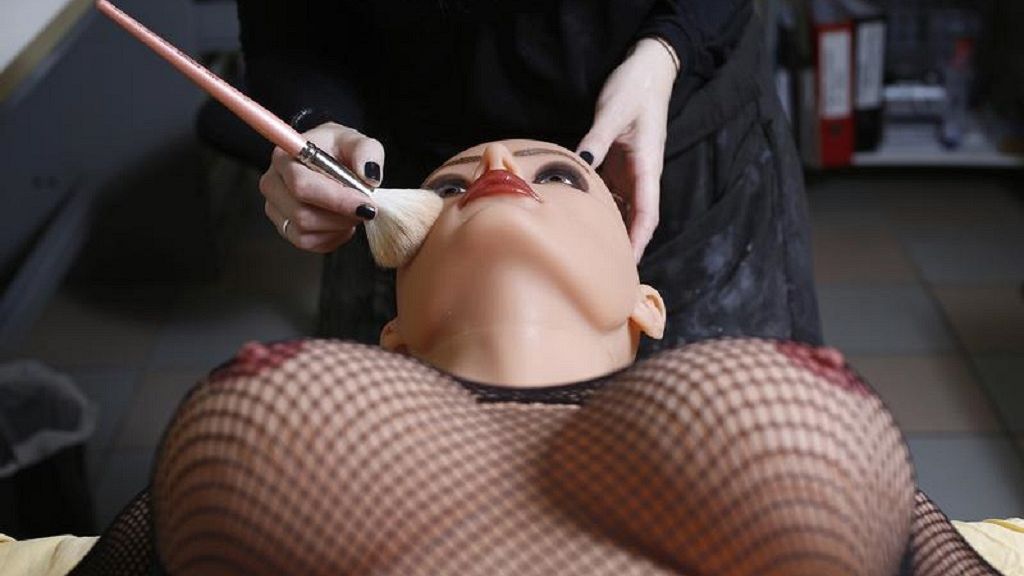
Sex robots have gone on sale in parts of the world and one goes for as much as $2,000. Roboticists continue to develop these robots – some of which talk and respond to touch through AI technology.
Sex robots at bigger companies like Abyss Creations sell for higher – around $10,000 depending on added extras.
Experts say the increasingly life-like robots raise complex issues that should be considered by policymakers and the public – including whether the use of such devices should be encouraged to curb prostitution and sex trafficking, for sex offenders, or for people with disabilities.
Latest Stories
-
Anti-LGBTQ Bill: Forget the rumour mongers, I’m a man of action, and will pass the bill – Speaker
45 minutes -
Women and children among those killed in Sudanese army shelling of wedding celebration
48 minutes -
President Mahama is not sincere with Ghanaians on LGBTQ bill matter – Hassan Tampuli
1 hour -
Gov’t to establish Prison Industrial Hub to equip inmates with income-generating skills – Prison Service boss
1 hour -
Alhassan Tampuli donates cement, roofing sheets to support storm victims in Gushegu
1 hour -
Alhassan Tampuli appeals for urgent support for storm victims in Gushegu
1 hour -
The hypocrisy must stop; pass Anti-LGBTQ+ Bill now – Alhassan Tampuli to Mahama
2 hours -
Imprisonment should be rehabilitative, not punitive – Ghana Prisons boss at UNGA
2 hours -
Ga Adangbe traditional priests petition Mahama over McDan aviation licence revocation
2 hours -
Anti-LGBTQ Bill: NDC’s arrogance is worrying – Hassan Tampuli
2 hours -
Let’s give OSP time to mature, not to scrap it – Hassan Tampuli
2 hours -
Nigeria convicts 386 Islamist militants in mass trials
2 hours -
Djibouti president wins election with 97.8% of vote, state media says
2 hours -
We don’t have mandate to deduct tax from rent allowance of security services personnel – Interior Ministry clarifies
3 hours -
Ablakwa receives Presidential Special Envoy on Reparations to advance global agenda
3 hours