

Audio By Carbonatix
It is emerging that the $100 billion promised African countries annually by the developed nations to mitigate the negative impact of climate change may not be honoured.
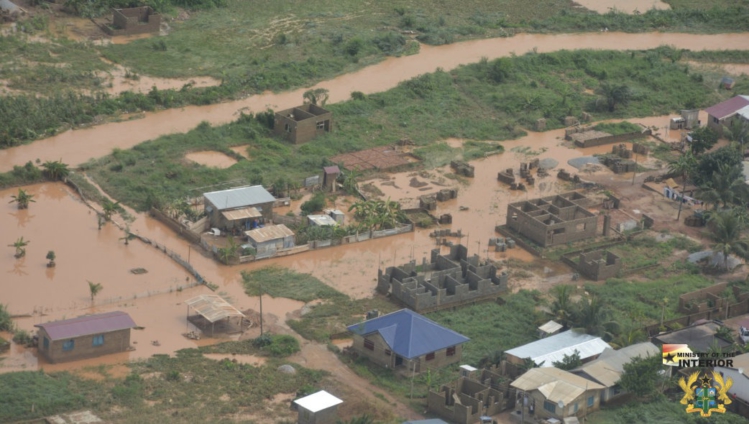
Though African countries are contributing less than 3 percent of the world's emissions, the continent is rather bearing the brunt.
The G-20 accounts for 80% of greenhouse gas emissions but poorer countries, especially in Africa, bear the brunt of climate change.
Rich nations pledged in 2009 to give developing countries $100 billion a year to help them deal with climate change, but the target date was pushed back to 2023 at the beginning of the COP26 summit.
But at Ghana’s official side event in the ongoing climate change conference in Glasgow, one of Ghana’s negotiators from the Ministry of Finance, Foster Aboagye-Gyamfi revealed how the G20 countries are making a U-Turn on their pledge.
According to Mr Aboagye-Gyamfi, many of the rich countries are reneging on their commitment to providing soft financing and are rather focusing on a push for loans "which I think is not helping very much."
"Because, it means the developing countries would have to be paying for these things in future and I'm sure it will deter the developing countries from achieving much from there," he said.
Also at this event was the Executive Director of the Environmental Protection Agency, Dr. Henry Kokofu who revealed that Ghana is in need of about $15 billion to help implement its strategies on dealing with climate change challenges.
"Ghana requires between $9.3 billion and $15.5 billion of investment in order to fully realise the implementation of the 47 Nationally Determined contribution measures from 2020 to 2030. Out of that, 3.9 billion would be needed to implement the 16 unconditional programmes of action till 2030.
"The remaining 5.4 billion for the title one conditional programmes of vaccine would be mobilised from the public, international and private-sector sources, and carbon markets. And here again, it is important to note that the current capital markets point clearly to the fact that the private sector holds almost two-thirds of the funding sources," he added.
Latest Stories
-
Wrongful teacher postings undermine early childhood education in Upper East
10 minutes -
Five new envoys present Letters of Credence to Mahama
15 minutes -
BoG Governor says building buffers and lowering credit costs go together
21 minutes -
Fuel shock looms as petrol nears GH¢15.19, diesel GH¢17.85 from April 1
28 minutes -
From May to December, nothing works – Tomato traders reveal harsh reality for farmers
41 minutes -
Ghanaian farmer can’t grow tomatoes because of lack of irrigation – Tomato Importers Association president
1 hour -
Social media firms must better enforce Australia under-16 ban, watchdog says
1 hour -
King Charles should meet Epstein victims, US lawmaker says
2 hours -
Belgian ex-diplomat appeals order to stand trial in Congo’s Lumumba murder
2 hours -
Cholera aid for African countries stalled by Iran conflict
2 hours -
The Oscars are leaving Hollywood
2 hours -
Too watery, too risky – Why Ghanaian traders prefer Burkina tomatoes
2 hours -
We buy from Burkina because ours rot fast – Tomato traders defend import dependence
3 hours -
Nigeria’s giant oil refinery fails to prevent record gasoline prices
3 hours -
CAF to make changes to regulations after Afcon final fiasco
3 hours