

Audio By Carbonatix
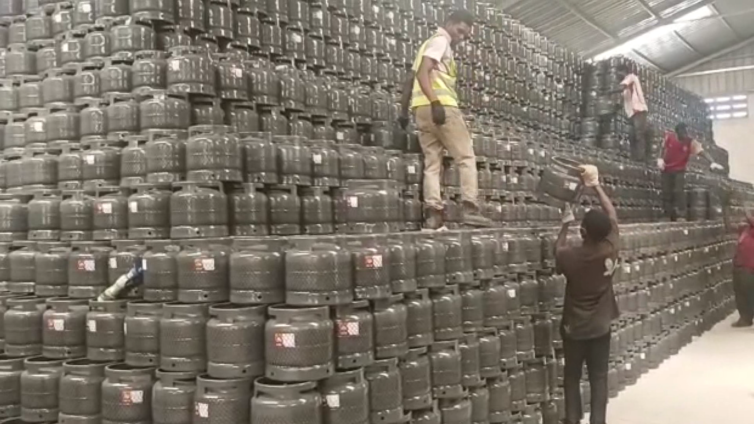
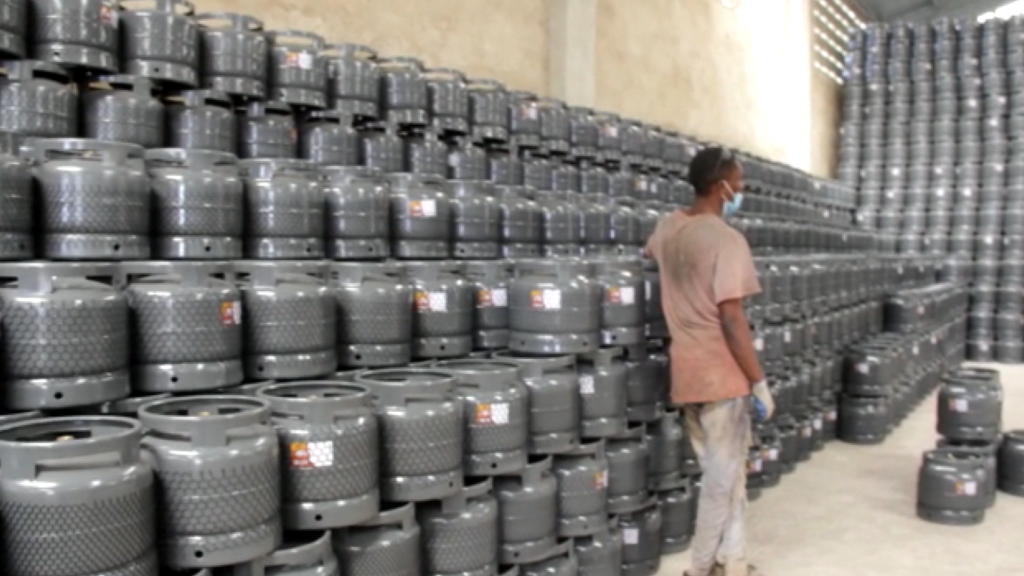
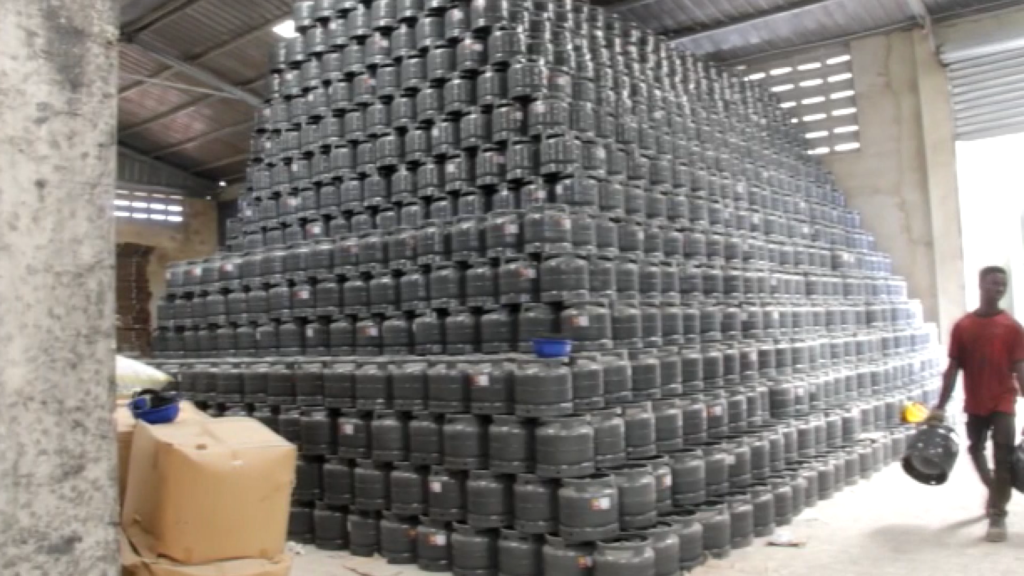
Close to 200,000 gas cylinders are locked up in a cylinder manufacturing company under government’s flagship policy, the One District, One Factory.
The factory, APPEB CYLINDER, located at Awutu Bereku in the Central Region is facing competition from foreign manufacturers. This has led to the grounding of the company's operations.
Managers of the factory are livid over what they describe as government’s inertia towards the growth of local companies.
The managers of the company say allowing foreign companies to venture into areas that are solely reserved for Ghanaians is knocking indigenous companies out of business.
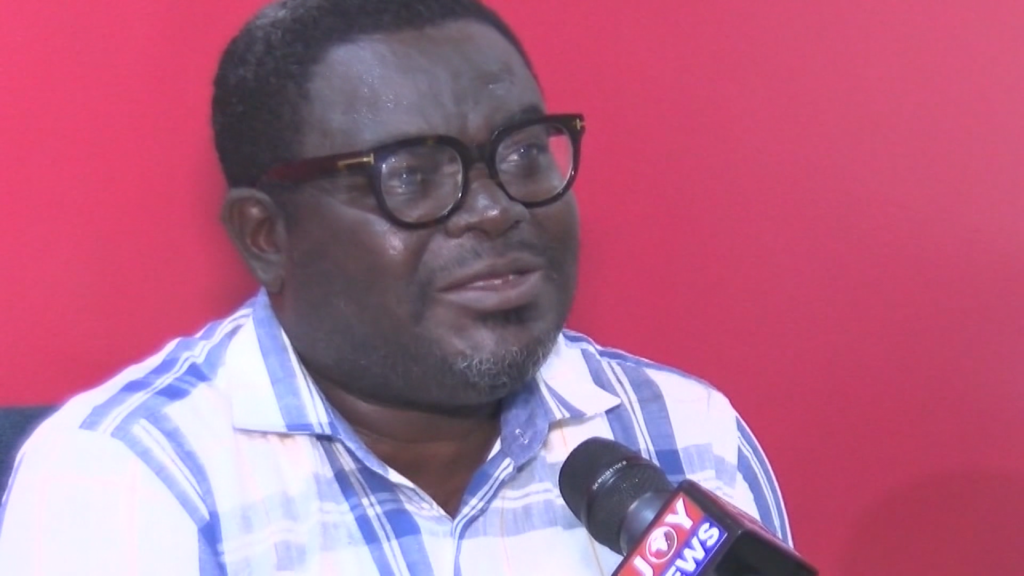
Manager of the factory, Philip Assifuah, told the producer of the Hotline documentary, '1 District, Some factories' that, “When we did the analysis looking at the benefit they would get at the end of the day, we realized that our cost per unit of the product was even lower than those that were imported from China.
He continued that immediately they finished setting up and put their prices out, most people who were then importing cylinders from China decided to patronise theirs.
According to Mr. Assifuah, their presence solved a problem that the country has been grappling with in respect of local production of cylinders.
“When the Chinese realized that the demand for their cylinders had reduced and people were not importing the cylinders anymore, they decided to set up a factory to compete with us," he explained.
Mr. Assifuah indicated that unknown to them, the Chinese they invited to help set up the factory upon realizing its prospects, decided to set up their own.
He stated that Management of APPEB CYLINDER were shocked to learn about that, because they were given the assurance by officials of the National Petroleum Authority (NPA) that cylinder manufacturing is the preserve of Ghanaian companies.
“What happened was that the Chinese got the market flooded with their products and deliberately reduced their prices drastically. They brought the cylinder here and sold it less than $7.00.”
“As of now, we have over 200,000 cylinders in our warehouse. We can’t take them out because of what the Chinese have done. Why can’t we protect Ghanaian businesses like the Chinese have done in their country,” he quizzed.
Latest Stories
-
Church of Pentecost supports over 2,000 BECE candidates in Obuasi with career guidance seminar
41 minutes -
Brandon Asante and Coventry all but promoted to Premier League despite Sheffield Wednesday draw
1 hour -
GPL 2025/26: Late Kwartemaa strike downs Hearts in Tema
1 hour -
Ghana Faces Sierra Leone Moment as Prosecutorial Powers come under strain
1 hour -
Don’t consume fish or seafood from Tema Shipyard until further notice – FDA warns
1 hour -
Why volunteering might be Africa’s most underrated career accelerator
2 hours -
ActionAid Ghana raises concern over gender gaps in Feed Ghana Programme
2 hours -
Windstorm wreaks havoc in Gushegu, displacing nearly 2,000 residents and damaging schools
2 hours -
Friends of Bridget Bonnie Marks her 35th birthday with donation to Kasseh Model Health Centre
2 hours -
From Ekumfi Kokodo to the Pulpit Stage: Essi Donkor’s gospel journey takes shape
3 hours -
Landfilling waste management creates no value, it’s an economic waste
3 hours -
Photos: Speaker Bagbin Commissions MPs constituency office under parliamentary decentralisation programme
3 hours -
Black Stars technical advisor Winfried Schäfer sacked as GFA shakes up backroom staff
3 hours -
Wenchi water project almost complete, critical to gov’t agenda – GWL MD
3 hours -
Anti-LGBTQ+ bill not part of government’s legislative agenda – Inusah Fuseini
3 hours