


Audio By Carbonatix
For decades, Ghana’s rivers have been the lifeblood of communities, providing water, food, and a means of livelihood. But today, many are dying, poisoned by illegal mining activities that have left them clogged with mercury and silt. The government is taking a bold step to reverse this damage with the launch of the Blue Water Initiative.
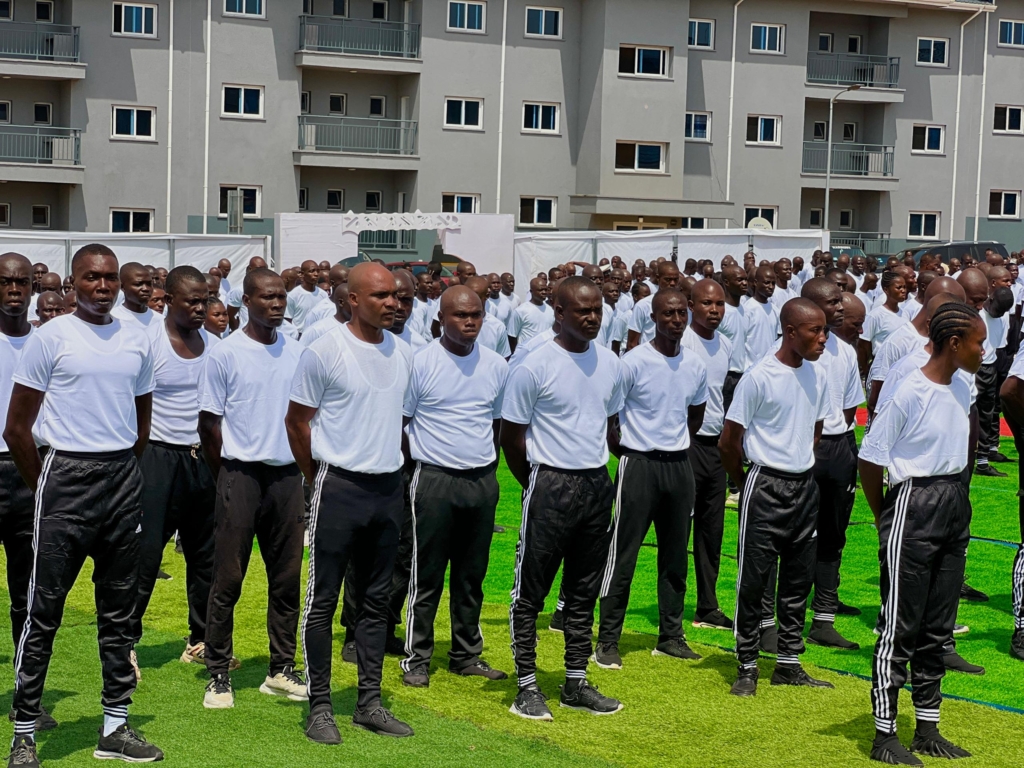
At the Ghana Navy Forward Operating Base in Ezilebo in the Western region, 400 recruits are undergoing intensive training to become Blue Water Guards.

The Blue Water Initiative, part of the broader ‘Reset Ghana Agenda’, aims to train 2,000 personnel across the country this year. These individuals will monitor river health, identify illegal mining activities, and collaborate with local communities and traditional authorities to combat water pollution.
The damage caused by galamsey is staggering. Once-thriving rivers like the Pra, Ankobra, and Offin are now heavily polluted, making it difficult for communities to access clean water. Fishermen report dwindling catches, while farmers struggle with land degradation.
"Our rivers used to be our source of life. Now, they are a source of sickness," says Kwesi Mensah, a fisherman from the Western Region.
With the situation growing dire, the Minister of Lands and Natural Resources, Emmanuel Armah-Kofi Buah, says immediate action is needed.
"Illegal mining is not just an environmental issue, it is a national crisis. We must act now," he emphasises.
Unlike previous anti-galamsey initiatives, the Blue Water Guards are drawn from affected communities.
This, the government believes, will give them a stronger commitment to protecting their own resources.
They are receiving training in water monitoring, surveillance, and enforcement tactics, preparing them to take on illegal miners who continue to operate despite government bans.
"This is about protecting our land, our water, and our people," says Emmanuel Anyimah, Deputy CEO of the Minerals Commission.

The initiative is part of the broader ‘Reset Ghana Agenda’, which includes the upcoming Tree for Life programme to restore degraded forests and a new decentralised mining permit system to regulate small-scale mining.
Ghana has seen multiple anti-galamsey efforts in the past, many of which have failed due to corruption and weak enforcement. However, the government believes that by involving local communities and equipping the Blue Water Guards with the right tools, this initiative has a better chance of success.
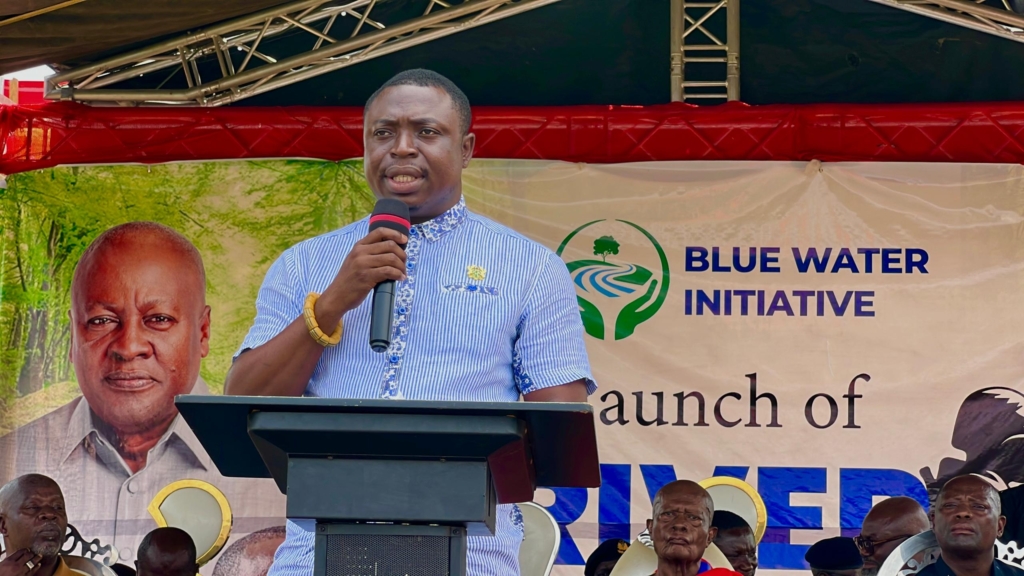
"The difference this time is that we are putting our own people in charge of their own future," Minister Buah asserts.
With training underway and deployment expected in the coming months, the nation watches closely.
Will the Blue Water Guards be the heroes Ghana’s rivers need, or will they become just another chapter in the country’s ongoing struggle against illegal mining?
Latest Stories
-
Gender Ministry supports Harriet Amuzu in ongoing abuse case
11 minutes -
AG joins plaintiff to scrap OSP ?: We should be mindful of the mischief in this – Bobby Banson
17 minutes -
Samson Lardy Anyenini questions willingness of Attorneys-General to prosecute political colleagues
19 minutes -
It is only fair the OSP is heard in Supreme Court case – Bobby Banson
25 minutes -
Asiedu Nketia resumes Ashanti tour, second leg kicks off on Sunday
34 minutes -
NLA denies salary cut claims, threatens legal action over reports
38 minutes -
BoG Governor honoured for stabilising cedi, improve inflation
40 minutes -
Kyebi Easter Homecoming 2026: A resounding success!
1 hour -
Trade Minister applauds GUTA as a pillar of economic growth; Prez Mahama honoured
2 hours -
President’s brother’s takeover of Damang Mines is ‘untidy’ – Alhassan Tampuli
2 hours -
It’s not true that gov’t decided not to renew the lease for Gold Fields – Bobby Banson
2 hours -
Ghana to boost tomato production with 60-hectare irrigated farms and processing initiatives
2 hours -
E&P’s takeover process of Damang Mines was very clean – Inusah Fuseini
2 hours -
Damang takeover: There is not going to be any job loss; it is a lease change – Bobby Banson
3 hours -
Gold Fields didn’t stop mining at Damang mines; such claims are untrue – Bobby Banson
3 hours