

Audio By Carbonatix
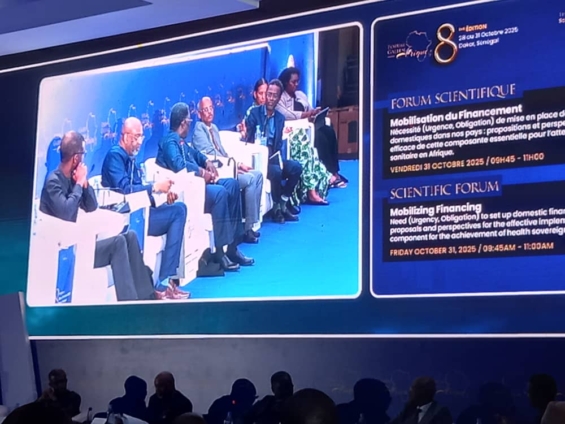
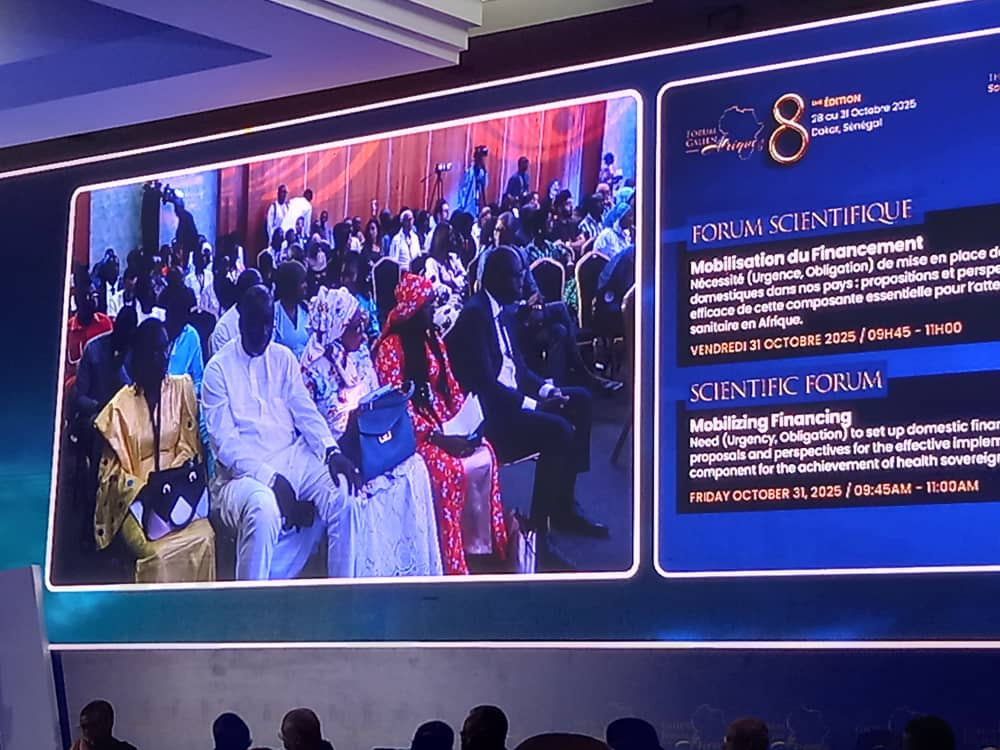
The fourth day of the ongoing Galien Africa Forum in Dakar is focusing on one of the most pressing questions in Africa’s health agenda - how to mobilise domestic financing to achieve health sovereignty on the continent.
Under the theme “Mobilising Financing to Establish Domestic Health Systems: Proposals and Perspectives for Achieving Health Sovereignty in Africa,” panelists from across the region shared country experiences, challenges, and strategies to reduce dependency on external aid.
Djibouti’s Experience
Health Minister for Djibouti, Dr. Ahmed Robleh Abdilleh, shared his country’s experience focusing on “Financing Health through Local Commitment”.
Excited about his country’s decade-long progress in strengthening its health system, he noted that 7 per cent of Djibouti’s national budget is dedicated to health, complemented by a national health insurance scheme and a range of reforms aimed at achieving universal coverage.
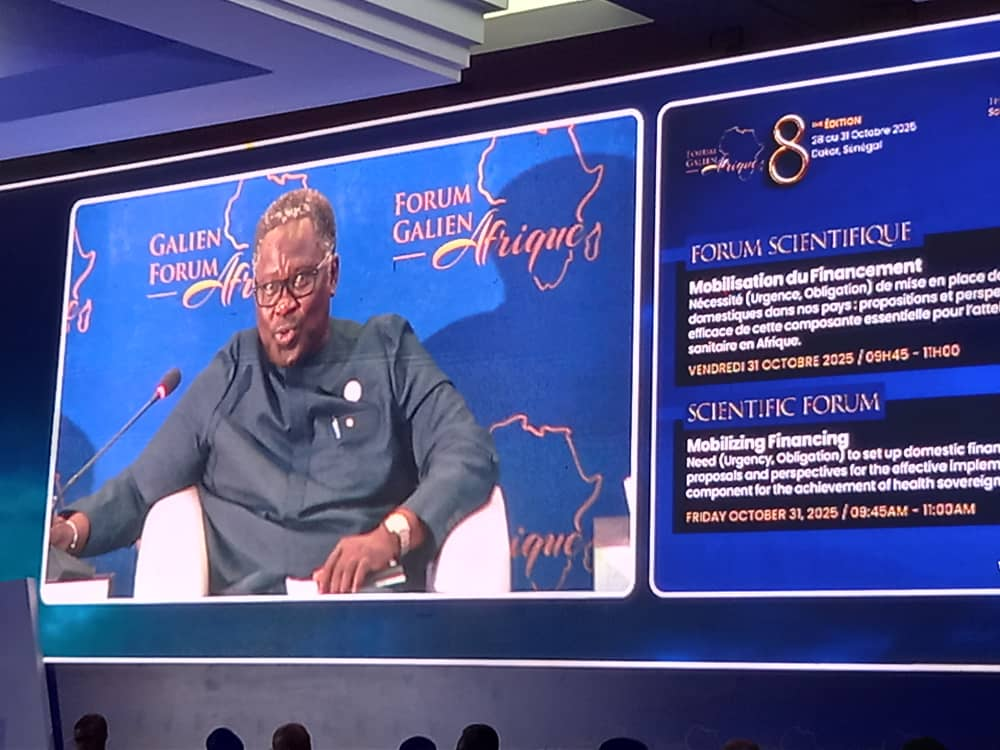
“Djibouti faces unique challenges - we are a transit country with refugee influxes and rising drug costs. But we have learned to depend on ourselves,” he said.
“Our Zakat system, which allows Muslims to contribute a yearly tax, has been instrumental in sustaining our local health system. Strong commitment, strong reforms, and targeted taxes are essential to achieving true health independence.”
Civil Society: The Watchdog and Co-Creator
The CEO of SpeakUp Africa, Madam Yacine Djibo, enunciated the indispensable role of civil society in ensuring both transparency and accountability in health financing.
“Civil society is not only a watchdog; it must also be a co-creation partner in mobilising local funds,” she said.
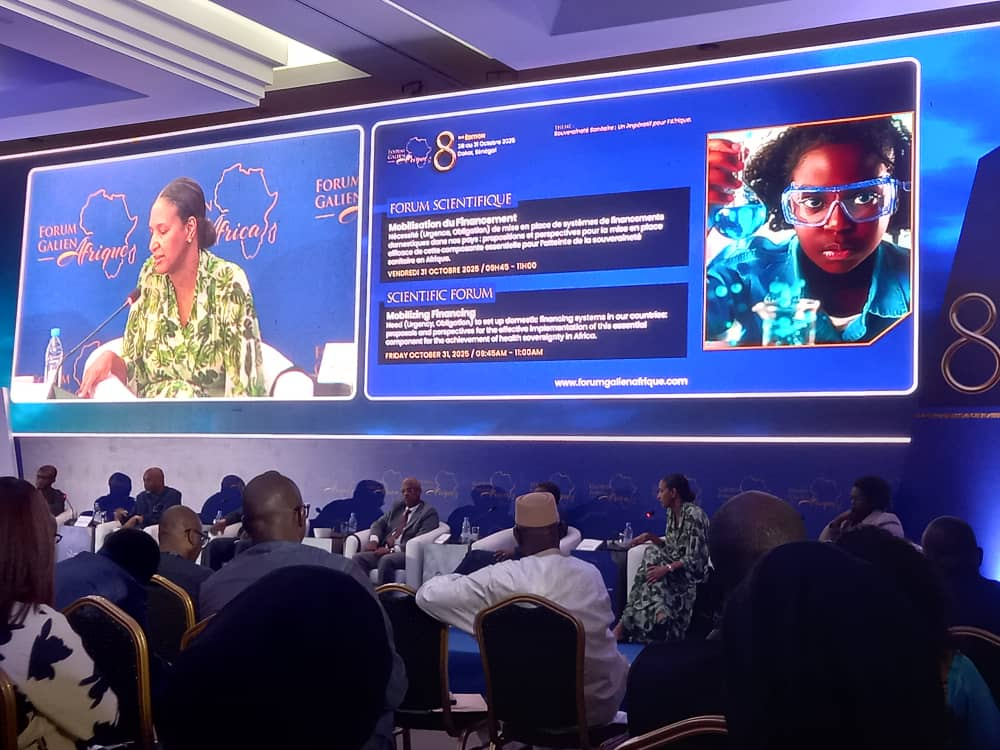
She cited Benin’s model, where public-private partnerships have been used to raise funds for tackling basic diseases.
“Private sector engagement is critical, it’s how we build resilience in our health systems,” she added.
The Gates Foundation’s Perspective: Efficiency and Data-Driven Decisions
The Director of Health for Africa at the Gates Foundation, Mrs. Cynthia Mwase, revealed that across the continent, domestic health funds are underspent by about 17 per cent. The Foundation, she explained, is helping the governments identify how to make the most of available resources.
“We’re supporting countries to extract and use data effectively, ensuring that delivery units spend funds where they’re most needed,” she said.
“We also focus on procurement - the two biggest cost drivers are personnel and commodities. We must track where countries source medical products to ensure quality.
Cynthia commended Niger for making the most efficient use of its available health budget, calling it an example of strategic spending.
“The strategies you choose in maximizing money are the choices you make,” she noted. “Be bold to monetize your health assets.”
The Call to Action
The discussion ended with a firm call for African nations to build self-reliant health financing systems, anchored in local innovation, community participation, and accountability. As delegates agreed, sustainable health sovereignty will only be achieved when Africa’s health systems are funded, owned, and managed by Africans themselves.
Latest Stories
-
Prioritise cocoa sector with better prices, timely payments-Annoh-Dompreh urges NDC
9 minutes -
Lands and Mines Watch Ghana endorses Heath Goldfields’ mining capacity
25 minutes -
Gbintiri residents protest alleged diversion of 24-hour market project
50 minutes -
Justin Bieber headlines Coachella with nostalgia-fuelled set
52 minutes -
Ukraine and Russia accuse each other of hundreds of ceasefire violations
56 minutes -
Asha Bhosle: The sound of Bollywood dies aged 92
1 hour -
Fire destroys section of 4-bedroom apartment at Tantra Hill
1 hour -
Safe city: Unnoticeable protection
2 hours -
North East Regional Police Commander raises alarm over burning of checkpoints
2 hours -
Free Primary Healthcare Programme set for take-off — Health Ministry confirms readiness
2 hours -
3 co-wives, 5 children perish in canoe disaster – Maritime Authority insists life jackets use mandatory for all water transport
3 hours -
Iran war lands ‘triple blow’ to flood-ravaged Sri Lankans
3 hours -
Gunmen kill at least 11 people at Afghanistan picnic spot
4 hours -
Woman, 25, in court for stealing baby at Bogoso
4 hours -
Trump unveils giant gold-accented victory arch design for US capital
4 hours