

Audio By Carbonatix
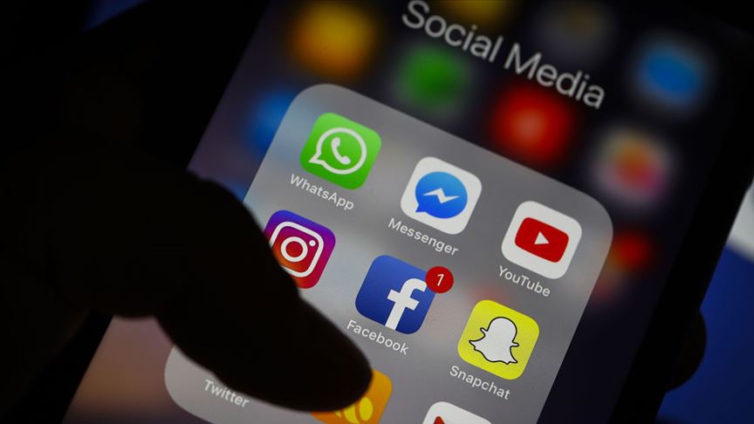
Lawmakers across Africa are toughening sanctions against child abuse, especially on social media. This is according to a consultant with the World Future Council Foundation, Ramana Shareef.
The act which is gradually becoming commonplace in Ghana is said to put children at a higher risk of abuse while violating their fundamental human rights.
In a discussion about Finding Justice for Abused Children on The Law, Ramana Shareef revealed the Africa Charter on the Rights and Welfare of the child now criminalises sharing of content that may harm children.
The move, she says, will force parents to be measured in the kind of information they share about their children online as they stand to be fined or imprisoned.
“The African Charter has a General Communication Seven which was recently released. It talks about the online exploitation of African children. If you’re a parent and you think you can just go online and start posting anything about your child be careful because it is criminal."
"If somebody takes you on, and takes you to that level, through the judicial system, you can be either fined or imprisoned for that," she revealed on Sunday.
She further blamed family interventions as a mitigating factor against getting justice for such victims.
However, she is optimistic that with toughened sanctions and education, more people will be bold to report abuse cases.
“A lot of people are not able to report abuses because the family has a greater influence on people. If you look at it, most of these abuse cases of children happen within the family system.”
“Child abuse is a criminal offence so it is not a family matter. Wherever there is a case or an act of child abuse, it should immediately be reported,” Ramana Shareef warned.
On the same show, lawyer and advocate for women and children’s rights, Marian Darlington, urged institutions to adopt child protection policies that will educate people on how to manage abuse and its related cases.
“When we are dealing with children, whether it’s in our homes, the police station, the hospital, or in our schools, we need child protection policies. We don’t have that in a lot of institutions in Ghana.
“It is a policy that every institution should have [because] that tells you how to deal with the children and tells you how the human relations should look like,” she added.
Latest Stories
-
Lekzy DeComic to feature four generations of comedians on upcoming show
3 hours -
Nigeria wins arbitration as Sunrise’s $400 million hydropower claim dismissed
4 hours -
Xhaka under investigation over Covid-19 certificate
4 hours -
FAW chief questions Infantino’s Fifa reform claims
4 hours -
La Liga chief dismisses Real’s ref conspiracy claims
4 hours -
GMA rejects claims its vessel monitoring system is ineffective
4 hours -
I was close to joining Liverpool in 2016 – Mbappe
4 hours -
Ministry of Sports and Recreation holds national validation workshop on National Sports Policy Draft
4 hours -
‘Do you want me to be happy with this poor performance?’ – Bono East Minister fumes over Kintampo market project with less than 1% work done
4 hours -
London screening honours Nkrumah and 103 years of Ghana cinema
5 hours -
Founder’s Day: Is Nkrumah’s glory fading? – Nkrumah’s iconic fountain at Circle runs dry
5 hours -
GHS calls for stronger systems to ensure safe care for NCD patients
5 hours -
Kufuor calls for Africa’s resources and youthful population to be transformed into opportunities
5 hours -
Mahama administration not clamping down on free speech – Shamima Muslim
5 hours -
Ghana TVET Service, UNESCO, KPMG, Microsoft to train 100,000 facilitators in AI
5 hours