

Audio By Carbonatix
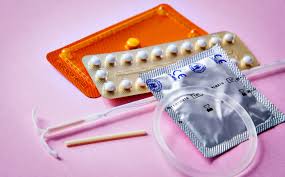
The Executive Director of the United Nations Population Fund (UNFPA), Ms Diene Keita, has warned that dwindling global funding for family planning is threatening access to contraceptives, with potentially devastating consequences for women, adolescents, and communities worldwide.
Ms Keita said contraceptives are not only essential to women’s health but also critical to economic growth, education, and gender equality. She noted that the world is now facing a crisis as supply chains weaken and contraceptive stocks run low in vulnerable communities.
“Contraceptives save lives. For almost 50 years, global health authorities have recognised contraception as essential medicine. People want them, use them, and rely on them every day,” she said in a statement.
The UNFPA chief cautioned that the current funding shortfall could reverse decades of progress in reproductive health, especially in developing countries where women depend on international support for access to family planning.
“Health systems are bracing for a rise in unintended pregnancies, which are in turn linked to higher rates of maternal death, including due to unsafe abortion,” Ms Keita said.
“And the impacts are likely to extend far beyond health care—we can expect to see adolescent pregnancies, school dropouts, and even increased risk of gender-based violence.”
She highlighted that access to contraceptives empowers women and adolescent girls to make informed decisions about their bodies and futures. Studies, she said, have shown that when women have access to contraception, they are more likely to complete school, find employment, and contribute meaningfully to their communities.
“Every $1 spent ending unmet need for contraception yields nearly $27 in economic benefits,” Ms. Keita noted, underscoring the broader socioeconomic importance of sustained investment in family planning.
UNFPA and its partners have, for decades, strengthened health systems and supply chains to ensure the availability of quality, affordable contraceptives even in remote areas.
Ms. Keita urged governments and donors to protect those gains and “work together to keep our promise to women and adolescent girls, uphold their rights and choices, and ensure they have access to the contraceptives they need to plan and forge a healthy and prosperous future.”
The warning comes as several low- and middle-income countries, including those in sub-Saharan Africa, face disruptions in contraceptive supply due to funding cuts and global health financing gaps.
Ghana’s own reproductive health services rely partly on UNFPA support to ensurethe continuous availability of family planning commodities in public health facilities.
Latest Stories
-
Schizophrenia-related disorders lead mental health cases recorded in Ghana
10 minutes -
Dutch authorities enlist Ghana in hunt for fugitive drug lord Bolle Jos
34 minutes -
Ghana housing finance conference adopts communiqué to improve affordable housing access
5 hours -
Special Initiatives Minister urges Wa Technical Institute to enrol more girls as EU-backed solar training lab opens
5 hours -
In the matter of my first year at the Bar
6 hours -
ActionAid Ghana calls for an end to child marriage, greater investment in girls’ rights
6 hours -
Newsfile to tackle World Cup visa scandal, beach demolitions, education strikes, BRICS bid
6 hours -
UK-Ghana Trade & Investment Summit: Trade Resource Centre to help businesses maximise UK-Ghana trade opportunities
6 hours -
Embassy of Denmark celebrates World Maritime Day
6 hours -
Linking LEAP to productive inclusion could cut extreme poverty by 2030 – UNICEF
8 hours -
Trade Ministry backs use of creative arts to rehabilitate prison inmates
8 hours -
Negotiations with government to continue despite strike suspension – GNAT
8 hours -
‘Ghana cannot afford to waste public resources; every cedi has a job’ – Ato Forson
8 hours -
Ghana expects economic boost as World Assemblies of God Congress brings 10,000 delegates to Accra
8 hours -
Joy in Nayilifong as Farouk Aliu Mahama donates 100kVA transformer to improve power supply
8 hours